In April 1990, several months after I was crowned Miss PNG (1989), the PNG Red Cross sent me on a national tour across Papua New Guinea. The tour was to promote the work of Red Cross in charity, disaster relief, blood transfusion services and youth growth and development programmes. This trip enabled me to learn new things, see new places and make many friends. It was a discovery of the magnitude of the work of Red Cross had done in the country and how many people dependent on these services. I was happy to be part of it all and be an ambassador for Red Cross. Unfortunately this privilege no longer exists in the quest due to lack of funding and the changes to the beauty pageant.
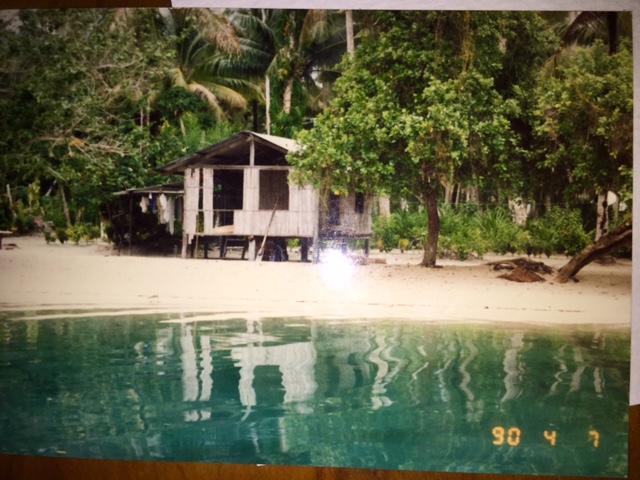
During my Red Cross travels, I also saw some of the most beautiful parts of PNG. Pictured is a small coastal village we passed during my tour of Kavieng, New Ireland Province. I took this picture of the house on the waterfront. A few days ago, I was delightfully surprised to find the picture (above) while going through some photos from 27 and 28 years ago. It brought back many memories of the wonderful time I had experienced.
Immediately, I had to paint this little house. The colours I chose reflect the glorious feeling I had during that time, while experiencing love and friendships; the tranquillity and wonders of my beloved PNG. I was very lucky to see a lot of the country during my reign.
I hope you like the images. Feel free to comment and share the tranquillity and beauty of this beautiful PNG Province.
Almost six weeks ago we found a duckling, just a few days old, left in our swimming pool by her parents. She has now grown up and is moving out of our house with some of her new friends. I was getting a little emotional with this story so I had to remove myself and put the story away for two days. The storm in Brisbane last night put my internet off, so I could not post on this blog.
This is the third time we raised a wild duckling, so we know that life changes when you take helpless animals into your home. They become part of the family before you know it. It may be because we have become so attentive to such animals that my sons and I have learnt this duckling’s habits; her favourite place to sit, her favourite weed and her specific cries for different things, similar to a human baby. I found myself finishing work and rushing outside to pick her favourite weeds in the surroundings of my workplace. I have seen people walk or drive by and give me funny looks. It was worth it when I got home and she rushed to me and ripped the weeds out of my hands.
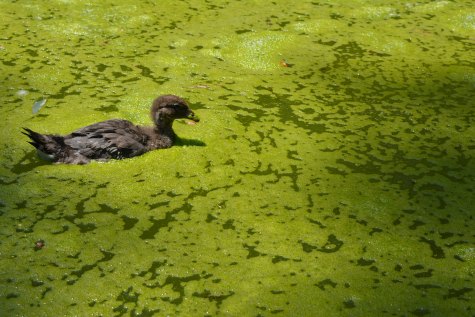
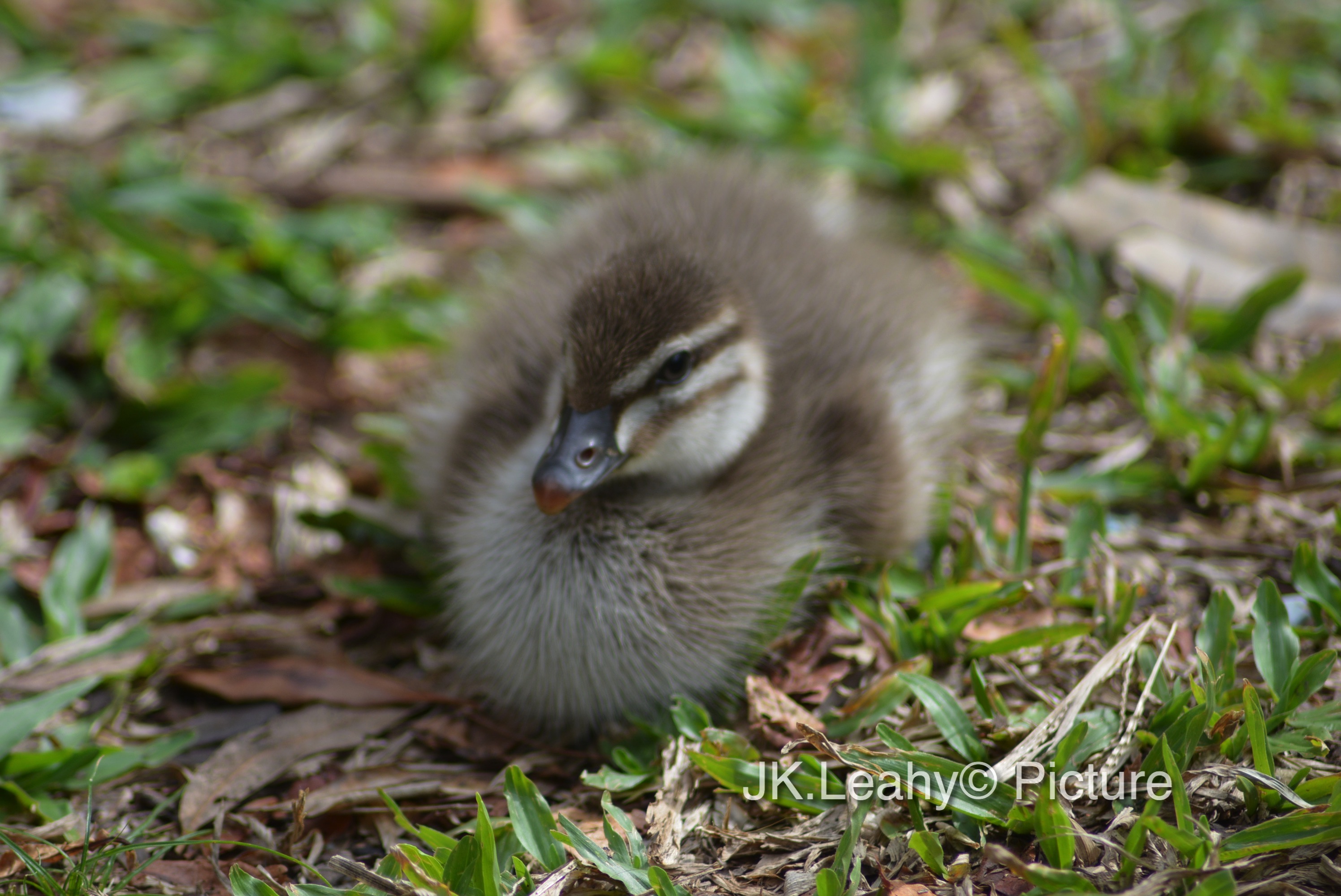
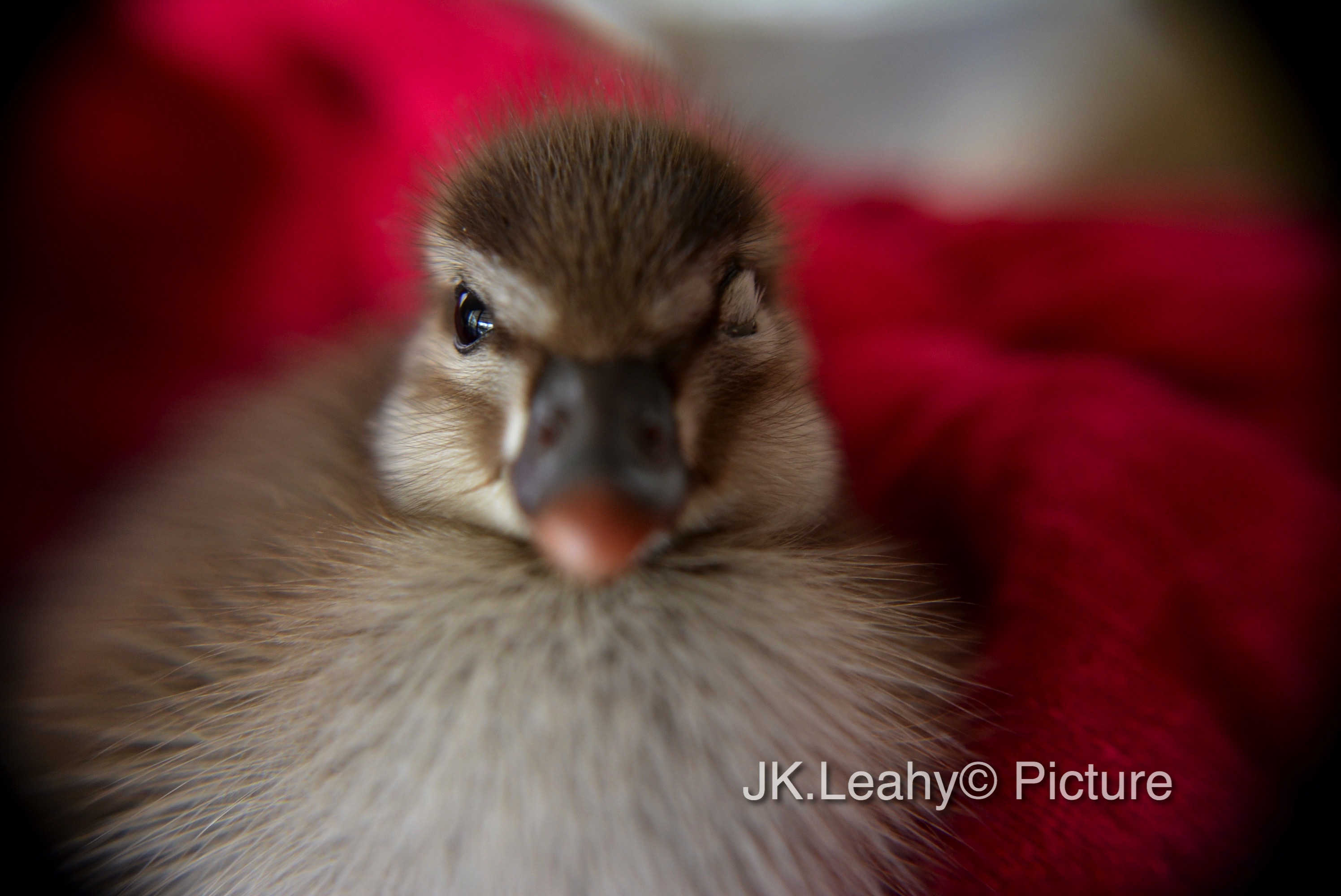
Anyway, it has been over a month since we rescued Goddess Penelope (pictured above). She also turned out to be a female, even though we named her a little early without knowing her sex (see previous post).
Penelope grew up quickly and took to our chickens right away. The other wild ducks gave her scornful looks, pecked and chased her. This behaviour happened with the previous ducklings we had saved, before the flock eventually accepted the house-raised ducks.
The last three days have brought major changes for Penelope. It was her moving out phase. The duckling took to the water and the bushland in front of our property easily. An older male duck hung around nearby. I told my sons the male duck could be a stalker watching her, and my sons argued that it could be her father. Who is to know? I guess I was being an over-protective parent, but I am worried. Penelope has had a tough life so far.
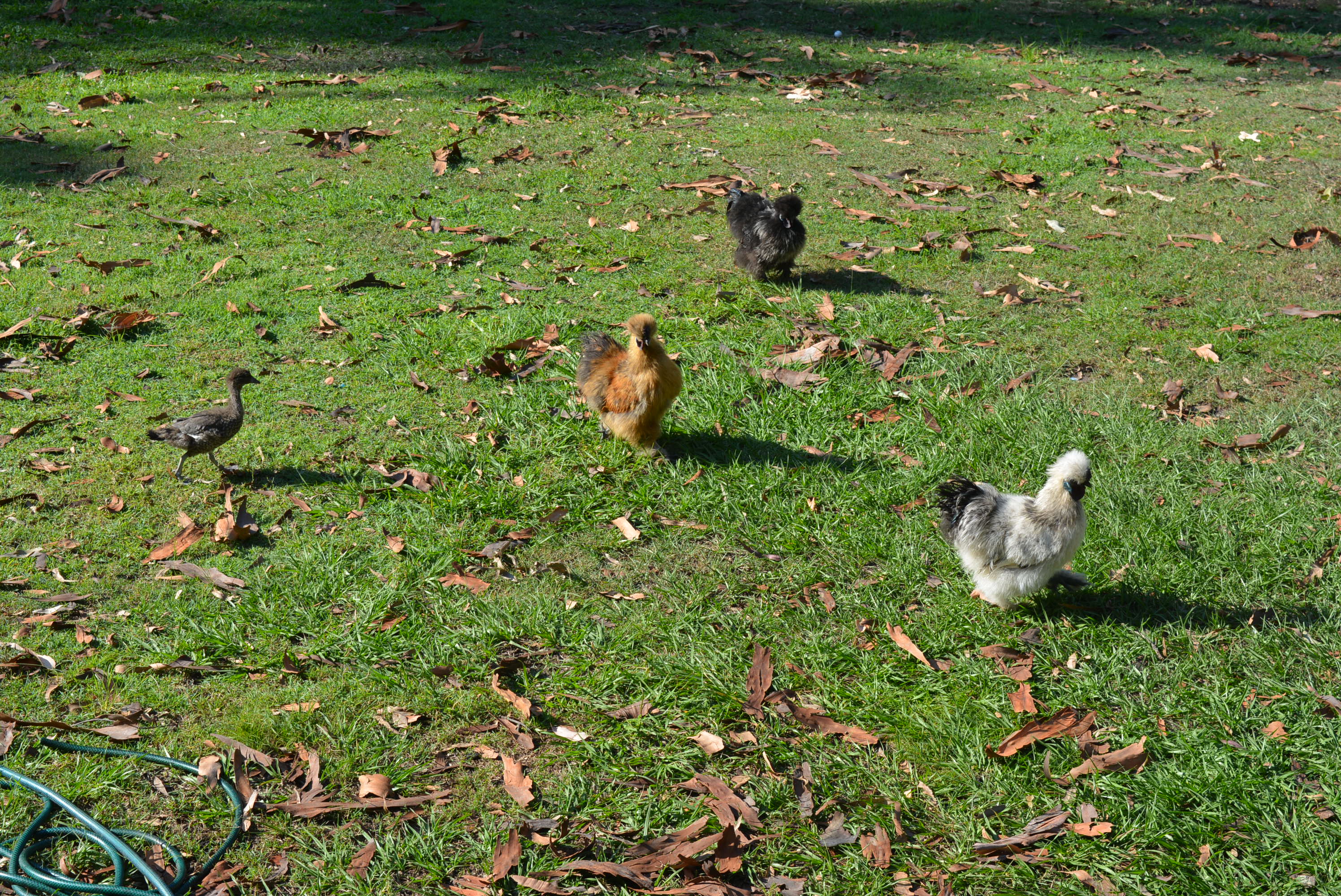
The three silkies.
Once we introduced her to the other birds, the other wild ducks chased and pecked her and in turn, she chased and pecked our chickens. The regular chickens did not entertain her cheekiness, but soft feathery Silky Batemans (silkies) could not get away from her. The silkies as the Australians call them, are slow, soft and cuddly birds.
Her own flock chased her and Penelope chased the Silky Bateman chickens.
Initially Penelope tried to talk to them, walk and sit with them. Then she pecked them, often holding up clumps of feathers in her beak. She got a lot of lectures from me, but we all had to be patient.
Her behaviour scared the silkies and for hours she would run behind them while they fled across the backyard over the weekend. I tried to stop her, but she would run in between the silkies and this confused the chickens even more. The silkies thought I was chasing them too. At the end of her first day out – Penelope was ready to sleep in the chicken pen, with the silkies, but they would not let her in.
Penelope desperately tried to stay with the three silkies.
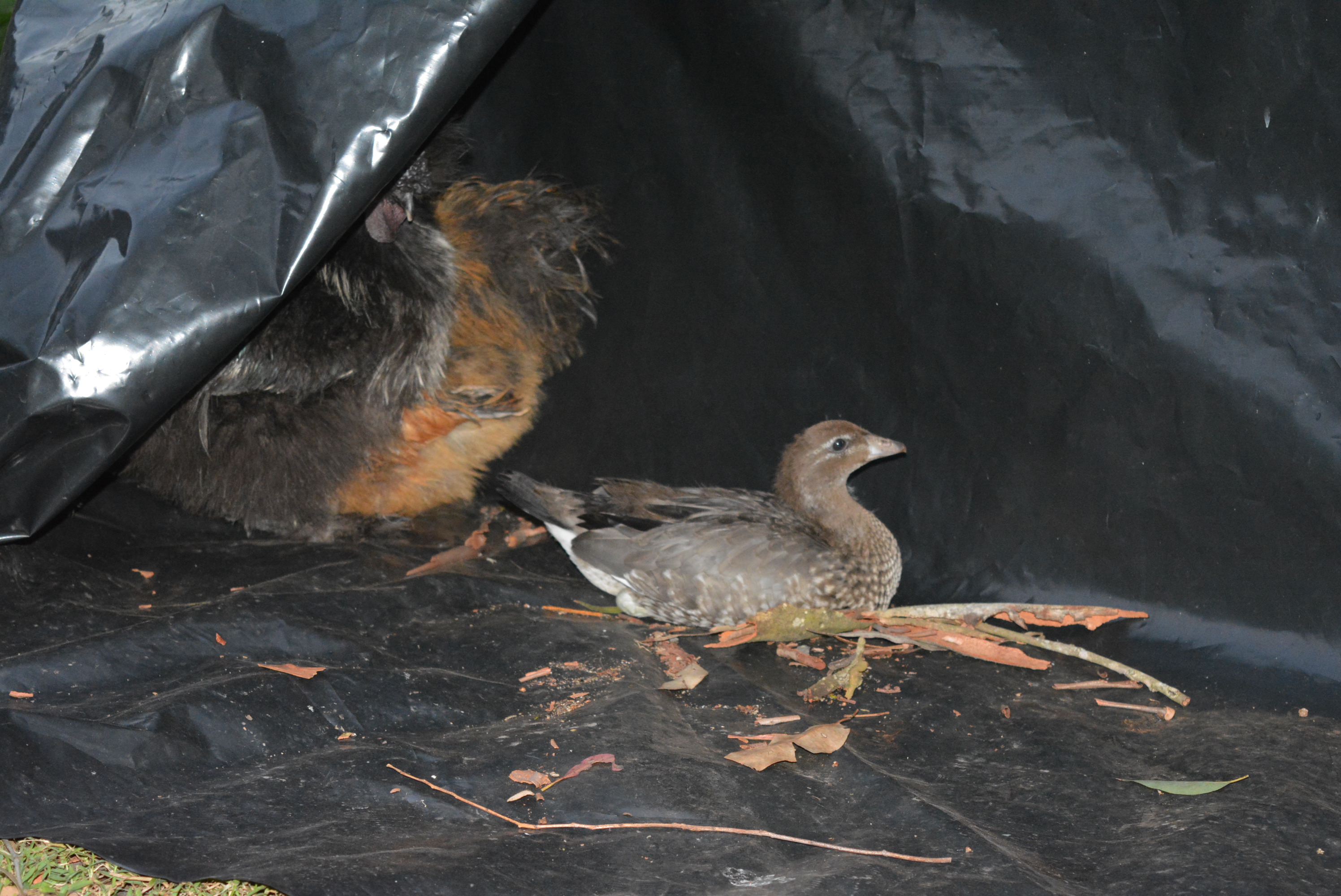
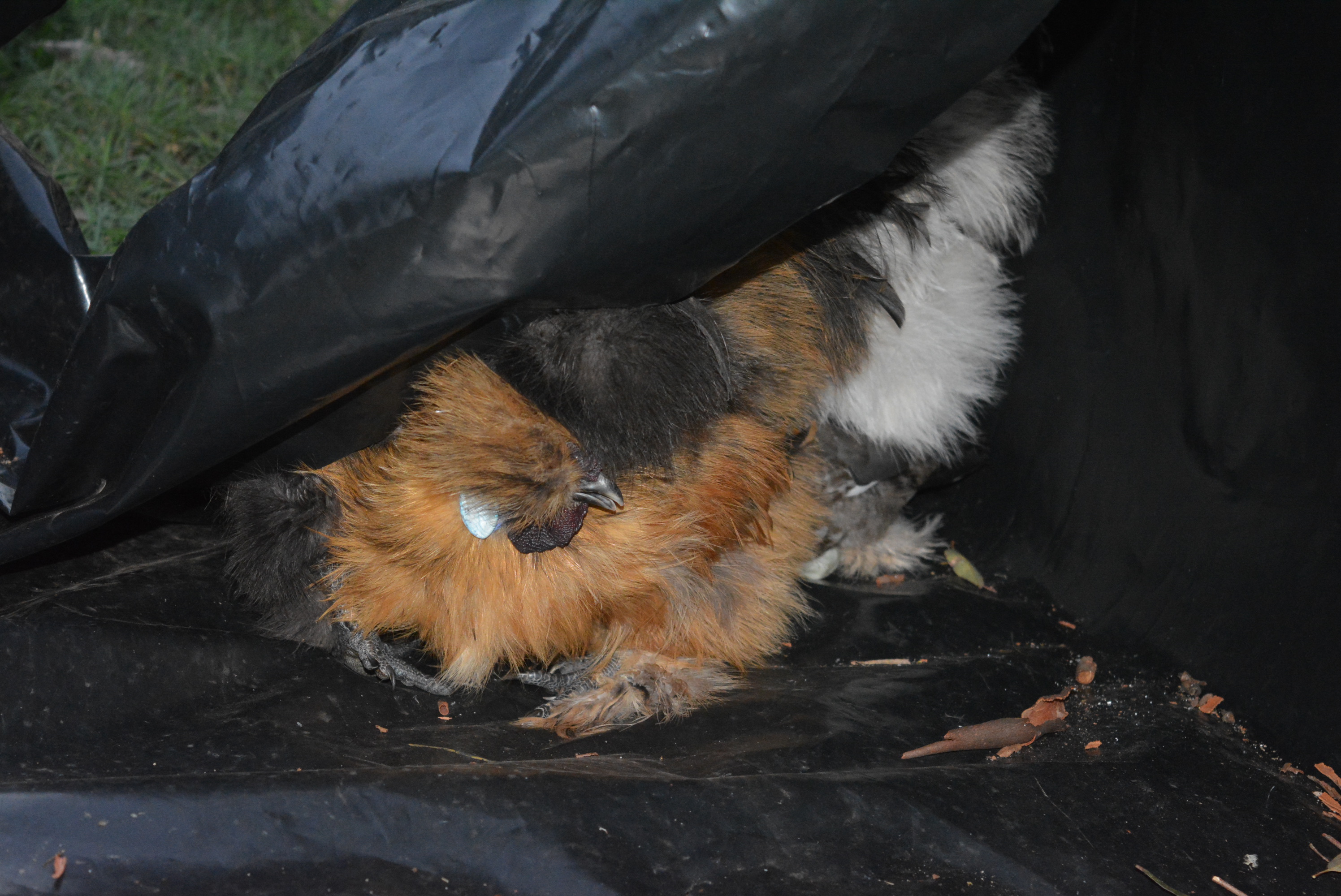
After the third day and a stormy night last night, the silkies gave in to Penelope’s charms. The silkies are all males too. The black silky (pictured above) has become her guardian. He shares his food with her.
Today, I tried to lure Penelope with her favourite weeds, but she did not eat any, because the silkies did not like the weeds. She gave me ‘the eye’ like she was saying – “what are you trying to do?” Maybe I embarrassed her, just like I do to my sons sometimes – the awkward teenager thing …
She has to grow up, and I know she is tough and she will survive in the wild. Penelope waits at the cage each evening to be put away for the night with the silkies. In a way, she has officially moved out. She does not make any crying sounds. Penelope has found her temporary home, where she will stay in the meantime until she can fly. My son Nathan commented that, Penelope wants so much to be with the silkies, that he half expects the teenage duck to start crowing in the morning with the three roosters.
The silkies live in a pen which is closed in so they don’t get attacked by foxes and snakes. In the evenings, they huddle in this corner and wait to be placed inside the cage and locked up. Here are some pictures from Penelope’s first day when she tried to get to spend the night with the chickens.
I was calling the Goddess and she was nowhere to be found, until I spotted her next to the silkies.When I insisted she came to me, she rose and faced the other way – ignoring me.I approached and she dived into the middle of the three silkies.Penelope pushed her way in, disappearing into the chicken feathers.After a few minutes, the silkies kicked her out. But later, when I picked them all up and put them back in their cage, the silkies let her spend the night with them.
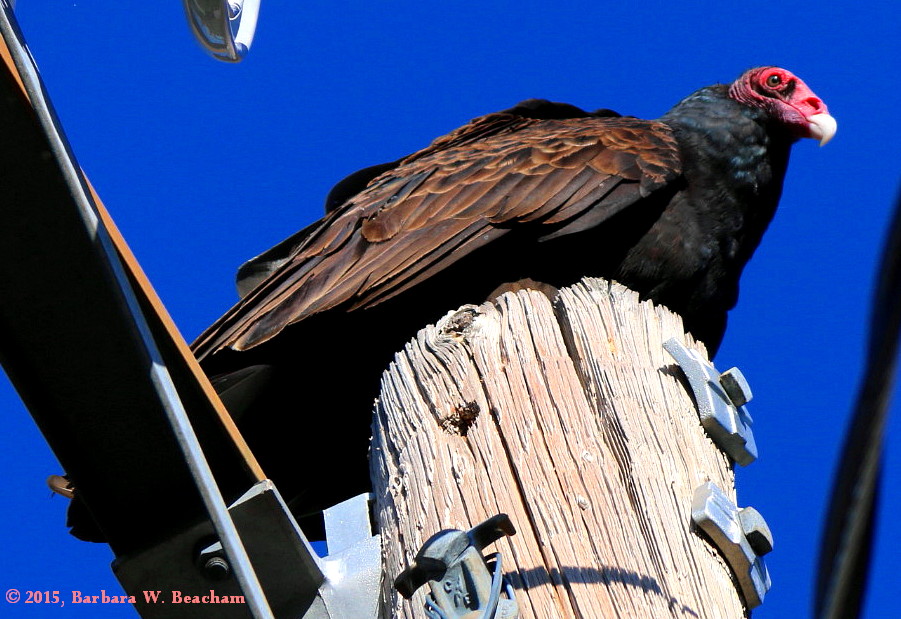
“I watched the vulture looking at me hungrily as I lay on the ground bleeding and injured.” Two thoughts entered my mind. One, it would come for me before the day ended. Two, night would reach me before it did. I shut my eyes and prayed for the night.
“Mama! Mama! Look! A man!… He’s bleeding”.
I wished, that was my son Toby calling his mama, but Toby was no longer five. He turned 17 last June. The Cult dumped my body early this morning and drove away with Toby. I may never see my son again.
“Get back here!” a woman shouted. I opened my eyes. She was closer than I thought, moving cautiously around me. Her eyes were as sharp as the vulture’s. She was not hungry, hers was a look of horror. What have they done to me, what can she see?
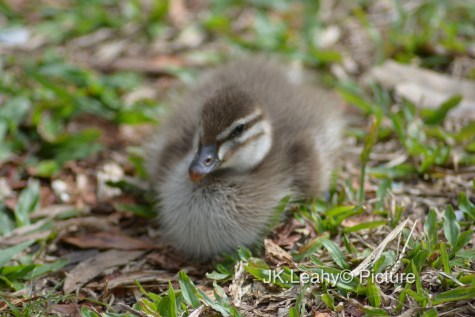
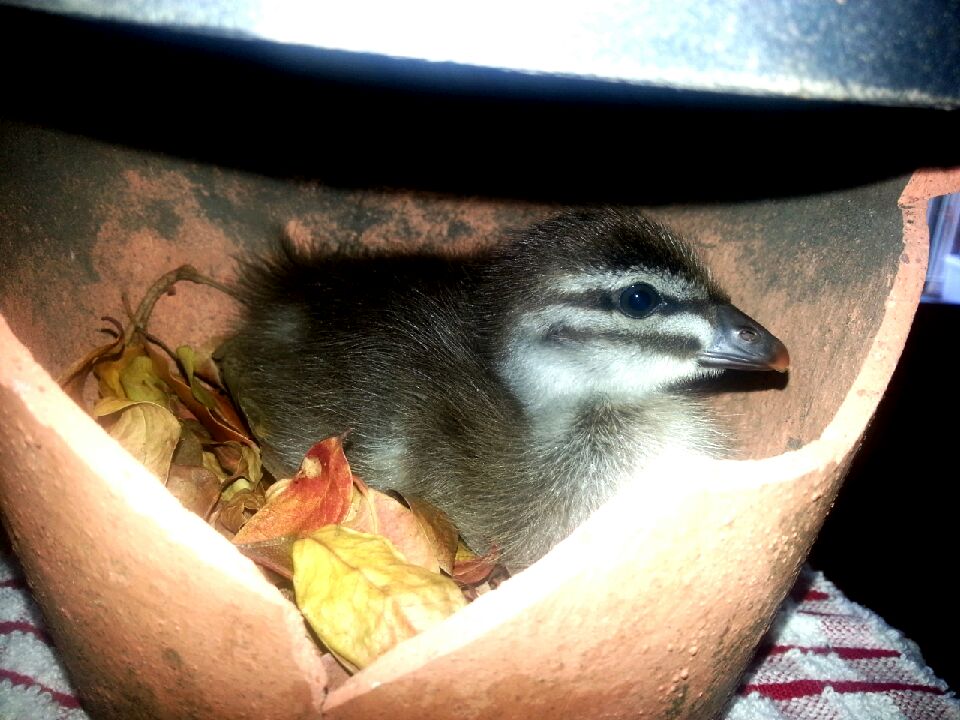
Life has not been dull since Penelope was born. Penelope is a goddess, because she deserves to be treated like one and she is named after a real goddess. Penelope eats grasshoppers like she has been starving for days. Because she is little, she often does not move quick enough to catch all the grasshoppers she finds. She does catch a few; I like to help with the small fish tank scoop. This duckling was almost three weeks old in this picture.
We think this Penelope may be the grand baby of our pet duck Princess. She was admiring her new bed made of a broken ceramic pot with leaves form the South African cherry bush in our backyard in the above picture. It has been two weeks since I started her story and now, she is too tall for the pot and has been given a new bed of coconut husk fibres in another pot. Although she likes the coconut fibres, Penelope prefers to be covered when sleeping with a very soft pink cotton scarf (see in picture below).
I thought Penelope (meaning ‘duck’) after Penelope of the Greek mythology, the daughter of Prince Icarius of Sparta and the nymph Periboea seemed an appropriate name for this duckling because she is one tough duck. The story of the Greek Penelope was that she waited for 20 years for Odysseus to return from war. When she was born her father, who had wanted a son, found out her mother had her and threw her into the river where ducks eventually rescued and raised her. The truth is, the duckling could be a male and we don’t know yet. If ‘she’ turns out to be a male duckling, that would be funny. We might have to name her after Penelope’s love, Odysseus, to play along with the theme.
Sitting in her favourite bedding – a pick scarf.
Our little goddess Penelope lost her five siblings and parents late one night when she was left alone in the pool. I alerted my son Nathan when I heard her crying. It was cold and dark and she was nothing but uncooperative. She eluded us for close to half an hour, swimming and diving in the icy, pitch black water. At that time we guessed she was only a week old.
She would only pop out of the water for seconds and barely give enough time to spot her before vanishing again, bubbles and ripples of water indicating where she was popping up next. Penelope was obviously terrified, but very clever in escaping. After Nathan and I eventually decided to split our rescue efforts I scooped her out of the water by blocking her escape on the pool steps with cardboard. Really – we just got lucky.
In its first week in our care, Penelope was brave and quiet. She did not cry loudly like previous ducklings, including Princess that we had cared for. Her mother showed up a few times and it became very emotional but she took to the routine of feeds, baths and walks and then music on the radio and bedtime. She loved cuddles and enjoyed crawling into fresh washing and soft clothing to have a sleep.
While bathing one Saturday morning, Penelope became quiet. Not hearing splashes, I went out to check her and found her floating with her white belly up – like a balloon. Distraught with guilt and panic, I pulled her tiny body out of the water and yelled at my sons while I panicked. How was I meant to give first aid to a tiny duckling? I did not know how to give first aid to a human, I had seen it done. I called Nathan – hoping he learnt something about saving animals at university. Nathan was intending on becoming a doctor – so my hopes for Penelope was pinned on him.
“Mum…really?” was all Nathan said, distress and frustration wrinkling his features.
I began to cry and laid Penelope’s body on the warm concrete in the open sun and pressing on her as Nathan suggested while I cried. I opened her little beak and could not fit my pinky down her throat which was so tiny. Nathan tried to dry her and kept telling me she was still breathing. All I could see was a round swollen white furry ball with four black sticks sticking to it, that was poor Penelope’s little body.
Drowning was not something you expect of a duck, but she is still a baby. Baby ducklings also lose their body heat very easily. I have seen a few duckling down in the past.
Her beak parted and moved and then opened, and her heart still pumped. It was a good half hour before she moved and an hour before she opened her eyes. Her milky second eyelids had stretched over her eyes for a long while. Three hours later from her warm towel, she made a sound that was not a duckling sound, but rather a recording played by a cheap, submerged speaker. By the end of the day, her feathers dried out and she finally stood on her feet. It was a very happy moment for our family. She did not eat or drink until nightfall and she drank some water. The next day, she woke up, after hours of sleep and was fighting fit.
She became ill with fever soon after and stayed in bed for the rest of the day. That same afternoon, she gained some strength and wanted to walk so I took her outside, into the backyard. To my surprise, she tried to catch the grasshoppers, so I helped. We caught and (she) ate seven grasshoppers. Some she could not swallow; they were even larger than her beak, but she ate them all.
Penelope also loves lettuce and dandelion seeds with the duck mesh. Since she nearly drowned, she refuses to dive into the water and only splashes water on her back when she bathes. After each wash, she looks at you for a towel dry before grooming herself.
Hopping on one foot.
A week ago, she managed to twist her leg. I found her dragging herself along when I put her outside to play. Again, she was nursed, bathed, fed and cuddled until her sprained foot and leg looked better about 5 days later. In the first three days, we packed her foot and leg with wrapped ice-cubes. She is all good now!
Penelope likes you to scratch her head – and if you don’t she pecks your hand delicately to remind you. She loves the radio music on while she is sleeping during the day and would not sleep in wet or soggy pooped beds. At night, she wants to be totally covered and tucked in and demands total silence.
The Myth about Penelope
The wife of the hero Odysseus* in Greek mythology, Penelope, was celebrated for her faithfulness, patience, and feminine virtue. For the 20 years that her husband was away during and after the Trojan War, Penelope remained true to him and helped prevent his kingdom from falling into other hands.
Penelope’s parents were Prince Icarius of Sparta and the nymph Periboea. Periboea hid her infant daughter as soon as she was born, knowing that Icarius had wanted a son. As soon as Icarius discovered the baby girl, he threw her into the sea to drown. However, a family of ducks rescued her. Seeing this as an omen, Icarius named the child Penelope (after the Greek word for “duck”) and raised her as his favorite child.
When Penelope reached womanhood, Odysseus asked for her hand in marriage. Although reluctant to part with his daughter, Icarius agreed, and Penelope went with her new husband to his home on the island of Ithaca. Penelope and Odysseus were deeply in love, so it was with great sorrow that Odysseus later left her and their infant son, Telemachus, to fight in the Trojan War.
The Trojan War lasted ten years, and it took Odysseus another ten years to get home to Ithaca. During that time, Penelope received the attentions of many suitors. For a while, she put them off by saying that she would consider marriage only after she finished weaving a shroud for her father-in-law, Laertes, who was grieving over Odysseus’s absence. Each day Penelope would sit weaving the cloth, but at night she would secretly unravel her work. After three years, a servant revealed Penelope’s secret, and she had to finish the shroud. When her suitors became insistent again, Penelope announced that she would marry the man who could shoot an arrow through the loops on a row of 12 ax heads.
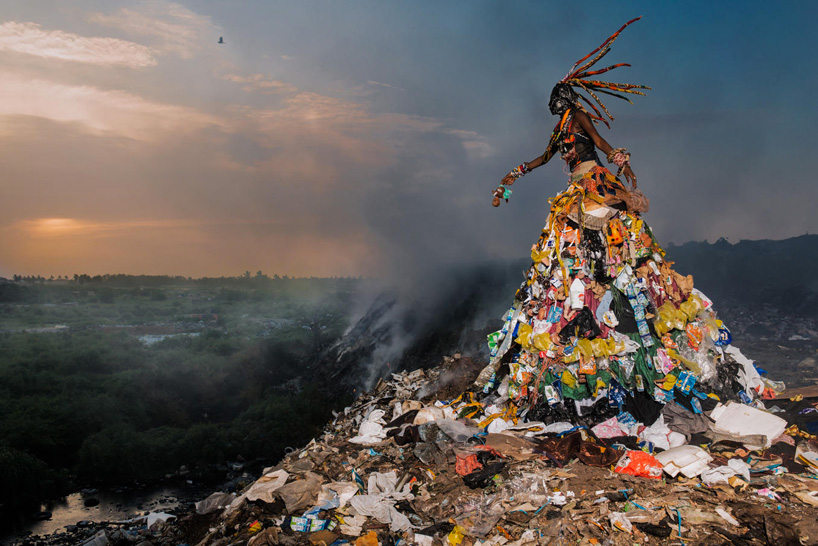
The prophecy project, shot at ten locations in Senegal, features intricately costumed figures interacting with polluted environment. The collective work was created by Photographer Fabrice Monteiro, Costume Designer Doulsy (jah gal) and Eco Fund. Each costume was meticulously built from garbage and debris found throughout the site, reflecting the atmosphere and state where each type of garbage was found and returned to each site where Monteiro photographed them.
The Prophecy was collated to address concerns of critical environmental issues across many countries in Africa. (It should also be the concern of the rest of the world). In the video, see how the artists put each living sculpture together.
There are a lot of tips on what you need to do when you have a book ready to publish. Here are top five tips on publishing for children.
The man himself, Barry Cunningham, the original publisher of Harry Porter and the Publisher of Chicken House gives a little advice to aspiring writers for children’s books, ranging from age 7-18.
Personally, I think this advice is good for any aspiring author with a ready manuscript – not just children’s books. What do you think?
THE night was still and dark. Dogs did not bark. The wind blew gently.
Children and babies had stopped crying and laid their heads to rest. Even the night birds were silent around the coastal Morobe village.
Below the whistle of the gentle breeze, Kalem heard a song. It was soft, beautiful and so sad it almost made her cry. It sounded very familiar.
Lying still on her woven pandanus mat that grandma made for her, she searched through her memories – where has she heard this song? Her grandma had passed away last year. She missed her. After tossing and turning for what seemed like forever, Kalem knew she had to find out.
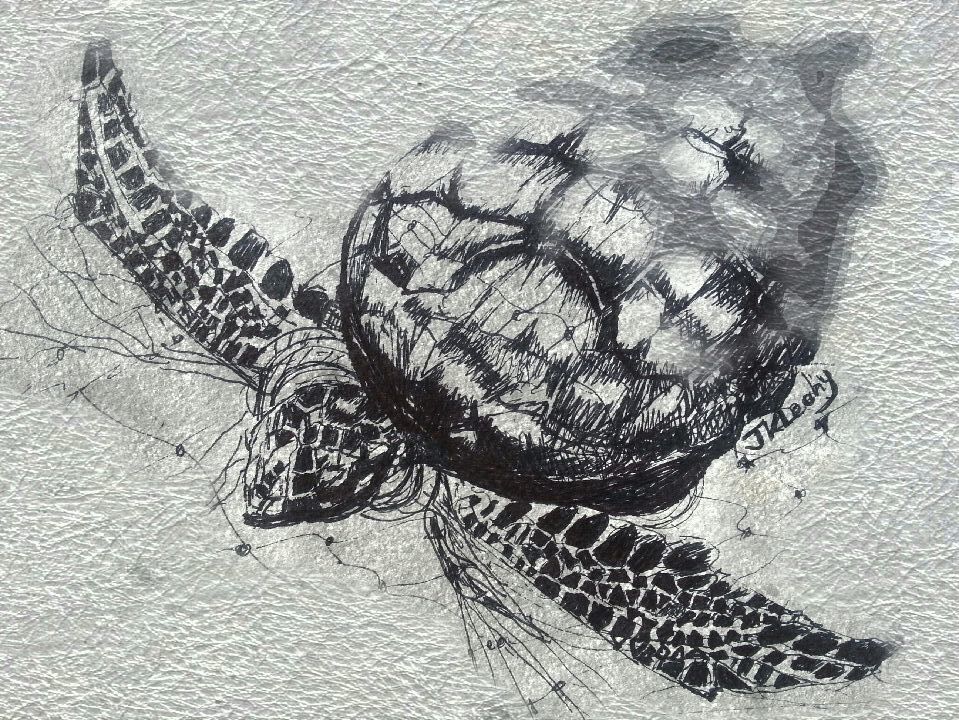
She picked up her mother’s torch. Beside the torch was a piece of hard shell, a turtle shell she found on the beach. She kept it for good luck. Suddenly she remembered – the song! It was the song of the turtles. Their nesting time happens near Kalem’s birthday, but they have not come to her village for a long time.
Tonight, something was wrong. Grandma said only the mother turtle sang the turtle song. No one in the village knew that song except her grandmother, mother and now her. Grandma sung and taught the song to Kalem while they were fishing. “Who is singing it now?” Kalem wondered.
Afraid but excited, Kalem headed to the beach. As she walked, she remembered Grandma’s words: “Our people are connected to the ocean, we fish to survive but we must respect the lives in the ocean. We must never kill for nothing.”
Not many people can connect to the animals and fish, but grandma said their family had a special gift because their ancestors came from the sea and are tied to the ways of the sea. Kalem walked quickly along the beach as she listened for the song.
“If you ever hear the song Kalem, you know, Mother Turtle needs you”, her grandmother told her. When Kalem was born in the turtle season, grandma told her mother – “this girl would one day meet Mother Turtle”.
Kalem followed the song out of her village and along the shores, further and further away from her house. Her heart beat faster when she arrived at the river where the villagers washed. Where the river met the sea, villagers set fishing nets along the shoreline. Kalem heard a loud splash. She slowly stepped forward, flashing the torch.
Tied to a large driftwood stump on the beach was a long, green fishing net. On the calm water surface, a big red buoy floated just offshore, and at the end of the net.
Something had been caught in the net. The thing splashed again. It rippled and frothed the seawater in a circle. It was large, dark and nearby the shore. It did not look like any fish or crocodile Kalem knew.
When she flashed the torch at the dark shape, she was shocked to find a very large sea turtle tangled in the net. It was so large, Kalem was sure it must have been the mother of all turtles. Kalem flashed the torch on the water.
She could see smaller turtles floating about, their heads bobbing in the water. The turtles circled the net. They were all making strange noises like they were crying too. The mother turtle was bigger than Kalem’s ten-year-old body, but Kalem had to try save to her.
Even with no strength left, the mother turtle kept singing her song. Weakly, her tired flippers hit the net and her voice faded to almost a whisper. Kalem’s tears flowed down as she waded through the water quickly and tried to set the turtle free. After struggling with the net and the weight of the turtle, Kalem ran back to the village and woke her mother.
“Help, wake up!” Kalem cried. “It’s Mother Turtle – we must help her”.
Kalem’s mother was confused. Often she thought her daughter was a daydreamer. After Kalem calmed herself and explained, she grabbed her mother’s arm and led her back to the beach. They took a knife and cut the net to set the mother turtle free. The large turtle swam up to Kalem and her mother. She bumped them with her nose before she and the other turtles disappeared into the deep, dark waters.
Kalem remembered grandma telling her about the life of the mother turtle. Grandma said it took many years before the turtle was ready to make babies. Every two or three years, the mother turtle leads her group to her own nesting beach, where she was born. Sometimes she travelled long distances to get there. Usually she would lay over a hundred eggs, but only a few survived.
Other animals, people and large fish eat the eggs and baby turtles. Kalem’s people loved eating turtle eggs and meat. Their village was once a nesting ground for turtles. Lately, less and less turtles have come to lay eggs. Standing silently in the dark with her mother, Kalem thought of how scared the turtles were tonight.
“They might never return…we must teach our people to protect the turtles”, she whispered to her mother.
“I am so proud of you Kalem. The turtles will head to a safe place to lay their eggs. Maybe this was not the right place for them, but they will find a perfect home some day”.
Her mother held Kalem close as they headed back to the village.
The Papua New Guinea Literary Competition The Crocodile Prize received the highest number of entries ever, this year. On closing last night the Crocodile Prize fetched a total 826 entries from 132 writers & illustrators.
Poetry 355; Essay 196; Story 129; Children 52; Heritage 48; Illustration 21; Tourism Arts Culture 15; Book of the Year 10.
These numbers may not sound very much for writers in other countries, but for any Papua New Guinean writer, it is a very heart-warming news, especially coming from a literary culture that almost became extinct. In the early 70s, leading up to the country’s independence, passion for art, culture and heritage including the literary pursuits and publishing of works written by PNG writers were at their peak. It is not quite clear why the interests have fallen so much after independence. That culture may have been used because we were proud of our identity and we wanted independence so much or perhaps the general growth of consumerism and the wider issues of social, economic and political changes have contributed to this new – lack of passion of culture. I remember growing up with radio stories written by PNG writers, attending and being part of stage plays – written by PNG writers. Poetry, stories, essays as well as other forms of literary work were promoted and supported by the national government.
The lack of passion in the arts and the literary support to me is quite surprising and sad; our culture is based on oral history and story-telling.
As a PNG writer, a practicing artist and an arts curator, it seems very clear to me, that the PNG government’s priority is elsewhere and not the least in the arts. But to not even support the literary aspect and especially in developing educational content that is relevant to our children and educational for our people is wrong. We cannot just tell stories and pass them on – now we can write them down and keep for many years.
It is not how much minerals we export and logs we sell, but the natural beauty, our rich art, culture, languages and stories that set PNG apart, and gives us our unique identity. The literary scene dwindled to almost non-existent, although that could have been easily combined with and taught through the education system. There are not many avenues and support nor funding where PNG writers could train or share their work, and even to sell. Most workshops, training and activities relating to creative writing or any literary work have been Aid funded or Privately sponsored in the past four decades. Now this is how things have started to change for the PNG literary scene.
THE CROCODILE PRIZE STORY The Crocodile Prize was established in 2010 by Phil Fitzpatrick and Keith Jackson, (both Australians) worked for many years in Papua New Guinea; Fitzpatrick as a patrol officer, Jackson as a broadcaster and journalist.
The Prize evolved from the popular PNG Attitude blog, which has a policy of encouraging and publishing Papua New Guinean contributors.
The concept of a national literary competition was triggered by Fitzpatrick’s concern that creative writing in Papua New Guinea had fallen upon hard times, and that this was a cultural constraint needing to be addressed.
The first awards were presented in 2011, a year of determining whether or not a project of this kind could be managed successfully given geographical, financial and the constraints of a voluntary organisation.
Using PNG Attitude as a vehicle for publicity and initial publication, Fitzpatrick and Jackson soon discovered an enthusiastic and rapidly emerging body of Papua New Guinean writers.
They were assisted greatly in the early stages by material and financial support provided by the Australian High Commission in Port Moresby and later by a range of sponsors, most of them PNG-based.
This backing made it possible for a range of associated activities to be instituted in addition to the Prize, including an awards ceremony, the publication of an annual anthology and the initiation of writers’ forums.
After the first awards in September 2011, it was agreed the Prize should become a permanent part of the literary landscape of PNG. Now under the management of the Crocodile Prize Organisation, COG, 2015 will mark its fifth year of operations.
PHIL FITZPATRICK on 2015 Competition
Thus ends another year of the Crocodile Prize literary contest.
IT’S not every day that you get to influence the revival of literature in a whole country, unintentionally or otherwise.
I must admit to some surprise that it has happened at all. What started as a humble writing competition seems to have bloomed beyond all expectations.
There is a sense of pride in what has happened but, strangely, it’s not personal. Rather it is a sense of pride in the achievements of the writers involved.
At a personal level it has been more of a humbling experience. There is also a sense of awe and enrichment.
The enrichment comes from reading the works submitted to the competition and the sheer learning experience involved.
I think, despite nearly fifty years travelling back and forth to the country, I’ve really only learned to understand Papua New Guinea in the last few years of the Crocodile Prize.
There is also a tinge of anger involved, mostly through the fact that an uninterested government and lackadaisical education system could let such a promising and rich cultural emergence in the 1970s wilt on the vine and become moribund.
That aside, one of the ironies I really enjoy is the fact that the revival has only now been possible because of the advent of digital technologies that were supposed to see the demise and eventual extinction of books. Such are the shaky prognostications of the doomsayers.
The key factors in the Papua New Guinean revival have been the Internet and the availability of digital publishing and print-on-demand technologies.
These have underpinned the Crocodile Prize, firstly by providing a writers’ outlet in the form of PNG Attitude and secondly in offering a cheap way to publish the best in an annual anthology and then to go even further in publishing stand-alone individual books by Papua New Guineans.
The future of literature in Papua New Guinea is starting to look rosy but we need to remind ourselves that it is still extremely fragile.
The disastrous complacency of the 2013 competition organisers reminds us of what could still happen.
2014-15 has been a watershed year and there’s light at the end of the tunnel but sustainability is still a long way off and we aren’t there yet by any stretch of the imagination.
The winners of this year’s Crocodile Prize will be announced early September. The awards event will be held in Kundiawa on Saturday 19 September
This is my second entry into the short story category in PNG National Literary Awards. Some of you know this story. It has been cut down to 1000 word limit. For more stories and entries into the competition, please visit the following links;
I felt his eyes piercing into my back as I struggled over the grassy hill. The air was tight and chilly so early in the morning.
“Walk faster!”
I needed my three-month-old baby Boni’s softness, and the laughter of his older siblings. I was exhausted and wished I could stop. A sudden breeze brushed over the tall grass. Shoosh. I shivered.
Usually, when we returned from the garden, Bomoga walked proudly ahead, carrying his prized spear with a small bilum strapped across his bare chest. The children and I fumbled behind him: me with a child on my shoulder, another in the bilum on my back together with our second bilum of food and pulling our eldest by the hand.
Today, I was in front. I wore my favourite red meri blouse. In haste, I had worn it inside out – its flimsy seams waved loosely.
We reached the top of Kasu Hill. I gasped for air.
“Hurry Up!”
My heart pumped. From the only hill in Domogu Village in the wallaby plains of the Western Province, pale yellow-green lowland laid before me. The grass had been burnt in patches to entrap wild game. The lowland was also known for Papuan black, a deadly snake.
I marched down the ridge, as ordered. Cold mud numbed my sore foot. We reached the place where the Ok Tedi Mining had caused hundreds of fish and plants to die along the riverbank. Usually, there were people here. But it was still early – no one was about as we passed.
My milk dripped down my blouse. Without bra, my breasts swung full and uncomfortable. It was feeding time for Boni. The rising sun cast faint shadows and the warm air caressed my face. We had crossed Domogu tribal land. Bomoga’s ancestors, nomads like mine, had decided to settle in this fertile land.
My eyes scanned the mountains that Ok Tedi had exploited. To the south, there was an airstrip where planes flew in weekly. Our village looked like a jewel, deep jade opal, festooned with glassy lakes of many sizes.
“Move!”
I stumbled forward.
We entered a forest. Strangely, the birds here were silent. I heard sorcerers came here for bush medicine and magic making. I searched for sunlight through the tree openings.
“Keep walking,” he hissed.
I had not looked once in Bomoga’s eyes. When his sweaty hands had touched me that morning, I thought he wanted sex, but instead he shook me roughly and ordered me out of the house. His shadow had loomed over me as I took Boni off my breast and put on my meri blouse and my rubber skirt. Boni nestled into his blanket, eyes still shut. He didn’t cry for more milk, thank God. My other children, Eka and Maria were asleep. I heard Bomoga pick up something in the house before closing the door behind us. He was quiet and cagey, which was not like him.
He was never a warm person, not even to his family members, though he was loud to his male friends. He liked sex that was rough and on demand. In any argument, a sudden punch to my face or stomach was a possibility. If the children screamed, he yelled at them. The beatings only worsened if he thought I challenged him. “No one will help you, because you are MY wife,” he said. I felt he was right and did not seek help, not even from his family or other villagers. Recently his best friend Tommy had returned from Port Moresby. I heard Bomogu now liked Tommy’s sister who was younger and prettier than me. He wanted her, I heard.
I stepped on a stump with my sore foot. The pain almost made me cry out. Two of my toes had broken when I fell in the last fight. We continued through the gloomy undergrowth into a flat area. Through an opening I saw sunlight sprinkling light of various colours onto leaves and moss. I saw a beautiful butterfly on a fern. Its brilliant blue wings and black outline set against the leafy greens. I felt a flash of hope.
We walked on and soon I could hear rapids and the forest thinned out as we reached a Y junction. At my feet a Papuan black, unaware, slithered quickly across my path.
“Turn to the river,” Bomoga commanded.
I turned towards the rapids. My throbbing foot distracted me and I was afraid to fall. The river frothed, full from recent rain. Watching water as it rushed away, a thought stirred my mind. Was he going to toss me into the river?
I imagined where my body would lay after death; my treasured red meri blouse, still inside out, clinging to my slim frame. Dragged ashore with a paddle shafted under the hem of my blouse, a trail would be imprinted on the sand on the silky Suki River banks. Villagers rushed to screaming children who discovered me. A woman bellowed my name, “Sulita!, Sulita!” But after hours in the muddy river, half-dressed and impaled by a black palm spear, I would no longer be Sulita.
“Stop!” he yelled.
I halted.
The ground looked easy to dig in places. I kept my face down. My feet were covered in mud and grass
“Turn around. Look at me!”
I turned and raised my eyes to the point of his most prized black palm spear.
With this spear Bomoga had speared the biggest pig, the fastest wallaby and driven the largest cull of deer. Many feared Bomoga because of his mastery with the weapon. My eyes shifted from the spear to my husband’s eyes for the first time that day. They were bulging and blood-rimmed. His nose flared and his sweat drenched eyebrows twitched. Ten long years and we still stared at each other like strangers.
He raised and pointed with the spear. “Where would you like to be buried?” he asked.
I dropped to my knees, closed my eyes and prayed.
This story is based on a true story set in Suki, Western Province. It is dedicated to the strong women and the survivors of domestic violence in Papua New Guinea and other Melanesian societies.
Breakfast at Bellbowrie – Princess and partner stand on guard while their daughters eat first. The life of a duck in our backyard.
Princess celebrated motherhood yesterday when her eight babies learnt to fly for the first time on our lawn in Bellbowrie, Queensland (Australia). She is a wild wood duck who grew up in our family home. I have written three stories about her on this blog, see the links below to bring you up to date with her life story.
You could say – after all she has been through, she deserved one happiness, and that she has. She literally grew up inside the house – in my son Nathan’s bedroom – she lived in a crate at night and during the day, we watched her wander around the yard, and making friends with other adult wild ducks and our laying chickens. She would always come back upstairs when it got dark.
I had rescued Princess in 2013 just after Christmas with five other ducklings in our back-yard. During the course of raising the ducklings my sons and I became parents as well as students, learning how we could help the ducklings grow and then release them back into the wild. Goodness knows what was going on in the communication from duck to human language, but soon, the ducklings fell into a pattern of eating, playing, swimming and just following each other and anyone of the three of us, in a line when we walked around the property. When we decided to name the ducklings, she stood out because she was the smallest and had a nervous twitch – everything had to be done for her. She would just wait to be served.
Family snack time on the front lawn.
Princess’ four siblings died in the process of growing – the vet said, it could be anything – the stress, cold, fright, and drowning. There were two ducklings left. Princess and her sister. They continued to live with us inside the house in one of the spare bathrooms at night and much to the disgust of our visiting friends and family who sometimes accidentally stepped on duck poop. As they got older and stronger, we let the two sisters swim in a small water tank which was deeper than the bath. Later they took to our swimming pool and we could see them really enjoying themselves. When they became taller and their wings got bigger we knew they were ready to fly; my son trained them to fly off our balcony into the pool (15 metres away) and also fly onto the lawn from the two story house.
With her nervous twitch, we noticed, her big sister became protective of Princess any time she found things difficult. She would nuzzled Princess and peck her gently to settle her. I became very attached to the confident big sister. She was a very smart and a caring big sister, She always tried new things and places before involving Princess. The two ducks bonded closely and were almost ready to be trained back into the wild together. Early one evening while we were having dinner with the two ducks tucked into their large box on our verandah, a python came up, unexpectedly, slipped into the box and coiled around one duck – the confident sister.
Flight practice. I caught them on my phone after work yesterday.
From that day onwards, Princess remained in the house with us, less confident to fly and became very attached. A few weeks later she started to regain her confidence. Then she tried to fly so Nathan took her to the window and she flew into the pool – about 30 metres away. She was natural. Swimming, diving and fluttering her wings. She loved it and started there all day – we had to bring her food to her, like a true Princess. She also flew a complete circle around our neighbours yard and took a swim in their brand new swimming pool. I jokingly told Princess, it was okay as long as she did not poop in their pool or get caught.
Then, one day a bunch of young male ducks that were hanging around our pool flew off and we saw her go. We followed her through a few neighbour’s property and decided, she was ready to go.
She returned to our property regularly and pretended she did not know us when we called her name. Sometimes, her twitch would become obvious – perhaps from worrying, we were trying to get her back. Amongst other wild ducks, when her name was called, Princess would be the only duck turning to look at us. It was funny. She had many suitors who often fought over her in the front lawn and the pool.
It was only a short time before Princess established herself with a pack of wild ducks that frequented our yard. Then Princess fell in love. Earlier this year, I posted a story about Princess and her first ducklings.
On their first day, she brought her babies out for a walk and played in our yard and then a swim in the pool. Within a few days, she decided to leave our property and cross the main road into a vacant block which led into the wild, a creek and then Brisbane River. I followed them to the edge of the bush concerned she had made a grave decision. There was a big storm, the next day. The mother, partner and babies – did not show up for two days.
Seven weeks ago, my son Nathan was very excited about new ducklings in our yard. Ducks don’t always have babies in winter so we were surprised. We rushed out and counted eight baby ducks. Sure enough, someone had been busy, it was Princess and her partner with their ducklings. She had also lost the nervous twitch. The ducklings were not newborn. They were at least two-three weeks old. She had hid her babies until they grew up. It was clearly a clever plan by Princess. We could not work out where they were before they came home.
The new girls marching in for morning tea by the poolside.
Attentive and followed by her partner and their babies, Princess headed for the chicken’s feed. Even the chickens let the ducks eat. We were all overjoyed.
I decided to buy some duck food from our local produce store. I did not post a story about the new arrivals earlier, just to let Princess have the quiet life she wanted and raise her eight daughters. Our family tried to keep our distance and no paparazzi were allowed. It has been almost five weeks since they arrived and adding the first few weeks in hiding, they have grown rapidly and are now ready to fly. Usually the babies grow their strong feathers by six weeks and fly at eight weeks.
The mother got them started in the pool – flapping wings and lifting off – then falling on the water. The training also takes place in the water and on our lawn – just as we tried to teach her. It is quite funny and heart-warming to watch. Ten days ago, wild foxes got into our chicken coop and took Lady Stella. (That’s another story). After the midnight drama and the shock of losing the toughest hen – we raced about our property trying to find Princess and her family. We discovered, after all this time, she had cleverly nested her family in the thick layers of my flowers just on the water’s edge in our fenced swimming pool where no large animal can get in. She family planned well in the sense that being winter, even the snakes would be hibernating. So…they are safe for now and it is only days before the new girls will fly. Then, they will all be in the wild together.
I feel that Princess has truly achieved motherhood and as her mother, I am very proud of her.












 Tribalmystic Stories