“We are doing it for Allison” is the video produced by family and friends of Allison Baden Clay to call on Queensland people to support a rally this Friday in Brisbane.
Already, the media is expecting thousands of people in Brisbane to join the Allison Baden Clay rally to challenge last week’s court decision to down-grade the murder conviction of her husband, Gerard Baden Clay – to manslaughter.
All Brisbane residents who are against domestic and violence against women – are asked to meet at 12:15pm, King George Square on Friday, 18 December.
Some of my readers may remember the story of the mother-of-three I posted on this blog in August. Her body was found at Kholo Creek, Anstead on July 2012. This creek is less than five minutes drive from our house.
At that time, her husband had already told police he did not know of her whereabouts. Baden-Clay, 45, reported his wife missing in April 2012 and her body was found 10 days later. During the trial last year, he denied killing his wife. There is a lot of media coverage of Allison’s death and you can read the ABC timeline on the events of her death. Gerard Baden Clay was found guilty on July 15, 2014 and convicted for murder. He was serving that sentence until his appeal and the court’s decision last week to give him a lesser penalty.
Allison comes from Brookfield, one of several local communities in Western Suburbs and our family property was bought from Baden Clay’s real estate business over four years ago. Please share this post and if you can make it – see you at the rally.
“Your palms will sweat and your heart will race, but you can’t help but be ridiculously inspired. The cinematography, story, and pure slacklife style is beautiful.” – Andy Lewis
AT: UntetheredFilm.ca Untethered is a documentary that takes an immensely personal look straight into the heart of the slacklining and highlining community in Vancouver BC. It is an epic ride from beginning to the end, offering an inspiring look into a group that pursues the unthinkable.
This project was made with zero outside funding while living out of my van. Huge thanks to all the friends that leant their time (and gear) to help bring this vision to life.⠀⠀⠀⠀⠀⠀⠀⠀⠀⠀⠀⠀⠀⠀⠀⠀⠀⠀⠀⠀⠀⠀⠀⠀⠀⠀⠀⠀⠀⠀⠀⠀⠀⠀⠀⠀⠀⠀⠀⠀⠀⠀⠀⠀⠀⠀⠀⠀⠀⠀⠀⠀⠀⠀⠀⠀⠀⠀⠀⠀⠀⠀⠀⠀⠀⠀⠀⠀⠀⠀⠀⠀⠀⠀⠀⠀⠀⠀⠀⠀⠀⠀⠀⠀⠀⠀⠀⠀⠀⠀⠀⠀⠀⠀⠀⠀⠀⠀⠀⠀⠀⠀⠀⠀⠀⠀⠀⠀⠀⠀⠀⠀⠀⠀⠀⠀⠀⠀⠀⠀⠀⠀⠀⠀⠀⠀⠀
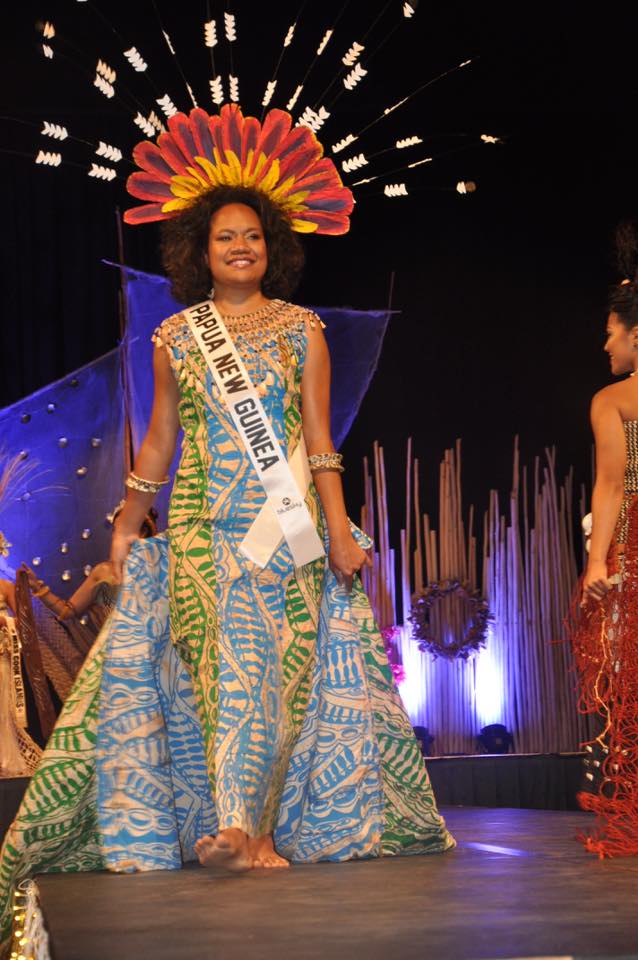
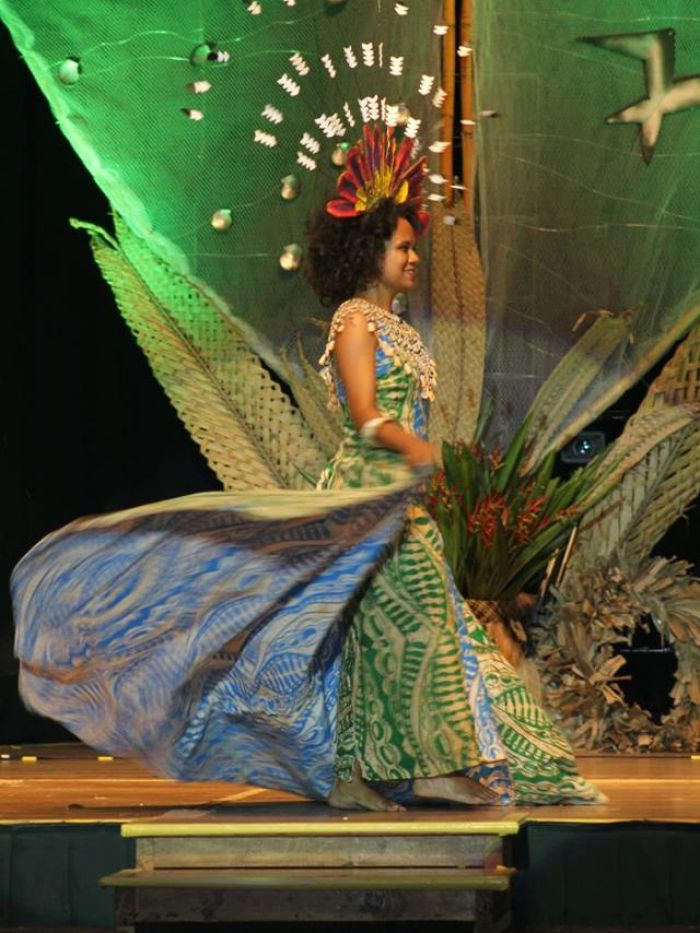
Papua New Guinea’s Abigail Havora has been crowned Miss Pacific Islands 2015 in a ceremony held in Rarotonga over the weekend. Her reign will end in 2016 when she crowns the next regional queen. This is the first time PNG won the regional contest. The stunning, intelligent and confident Abigail has strong opinions about status of women in Papua New Guinea and the Pacific Islands. She also wants to promote unity and diversity and bring Papua New Guineans together to build a strong nation.
In the beauty quest, Abigail believes true beauty comes from the heart. The Pacific Islands Pageant, she said “is a beauty of our cultures.”
“It’s just about drawing from within, because that’s where our true beauty lies,” she said.
She told Radio Australia’s Pacific Beat earlier when she was crowned Miss PNG that Miss Pacific Islands is about “being a cultural ambassador” rather than focusing on physical beauty.
“Pacific Islanders are closely tied to our culture and that’s what the pageant hopes to bring out,” Ms Havora said.
“Culture is our way of life so each girl had their own definition or own way to show what culture meant to them, and that was what was showcased. My intent for the wider PNG is to bring a message that strengthens the bridge between culture and the changing times so young people, especially women, are more aware of what they are contributing to and the type of influence they are exerting”.
Abigail devotes her spare time to helping youths in PNG through The Voice Inc and is an ardent supporter of the PNG Cancer Foundation. She works for Oil Search Limited and through the Oil Search Adventure Club, they have developed a library Pouching System to build and strengthen libraries across PNG.
The 24-year-old science graduate beat eight other regional contestants to take home the Miss Pacific Islands title. Miss Samoa, Ariana Taufao, was the first runner-up while Miss Tonga, Brittne Fuimaono, was the second runner-up.
Abigail is third from right, with other regional contestants.
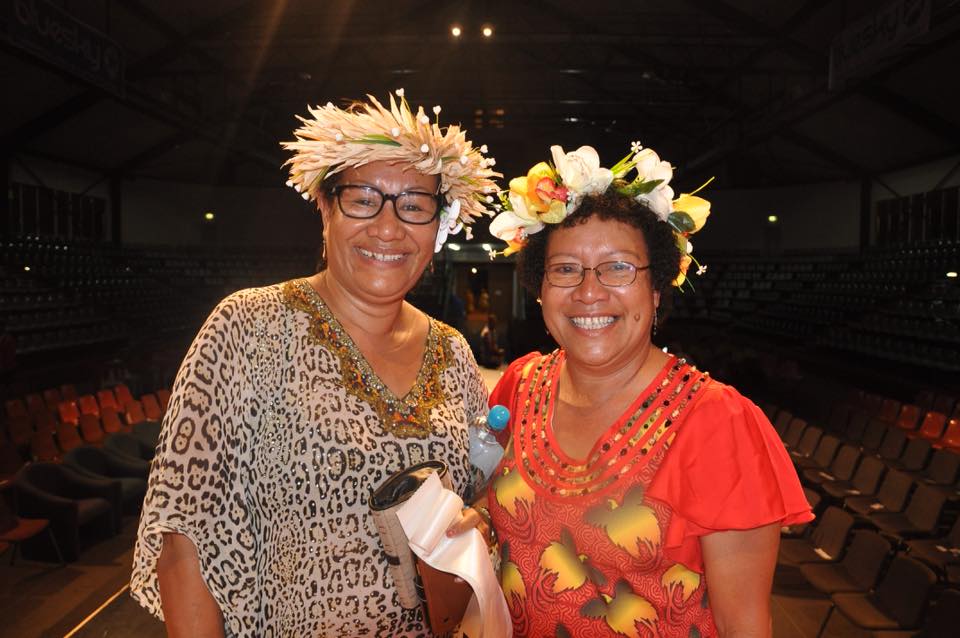
Miss PNG National Chaperon, Molly O’Rouke (left) and winner’s mother, Helen Launch Havora at the crowning evening in Rarotonga.Abigail gets a congratulatory hug from mum.The hardworking Miss PNG team and committee members.
Note from the writer – I would like to congratulate Abigail, her family and the Miss PNG Committee for making history in the region. Abigail, you have made the women of Papua New Guinea very proud of you.
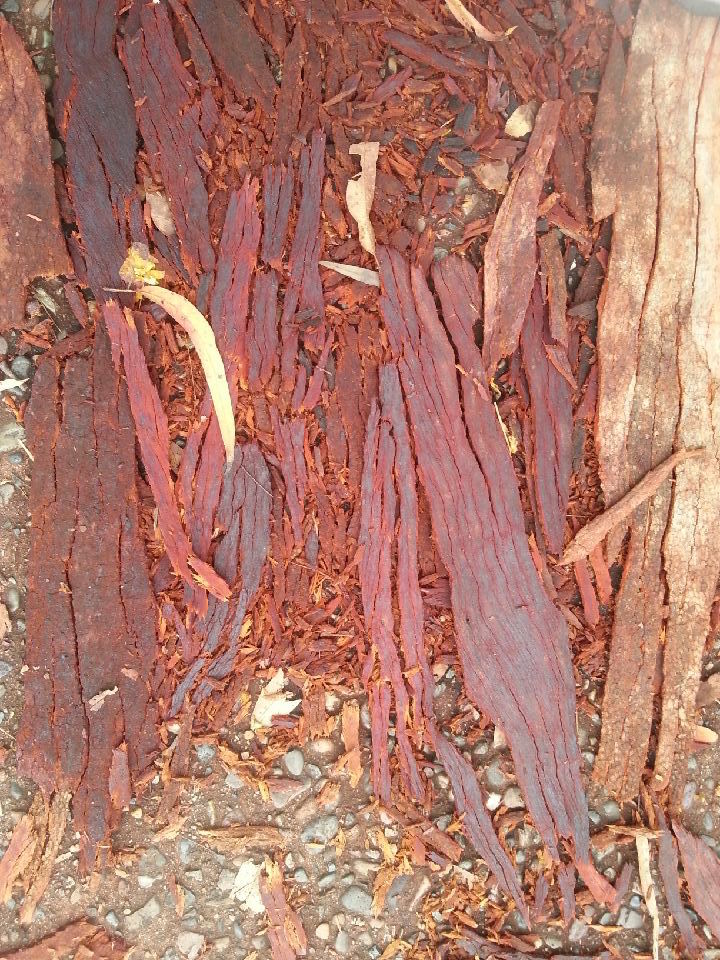
The freak Storm we had two weeks ago brought rain to soften the bark. The lighting in this picture is natural, everything was orange as the sun and the rain fought out the event of the day.
I have not thought of creating art from gum bark until this season.
In the past month, the gum trees (in Bellbowrie, and other parts of Queensland) have shredded their bark, leaving behind beautiful trunk colours. Surrounding each shedding trees are barks of different shades and density, giving the trees, a kind of carpet or stage to show themselves off.
My neighbours had already cleaned up their bark.Our driveway – see the bark on the bitumen.
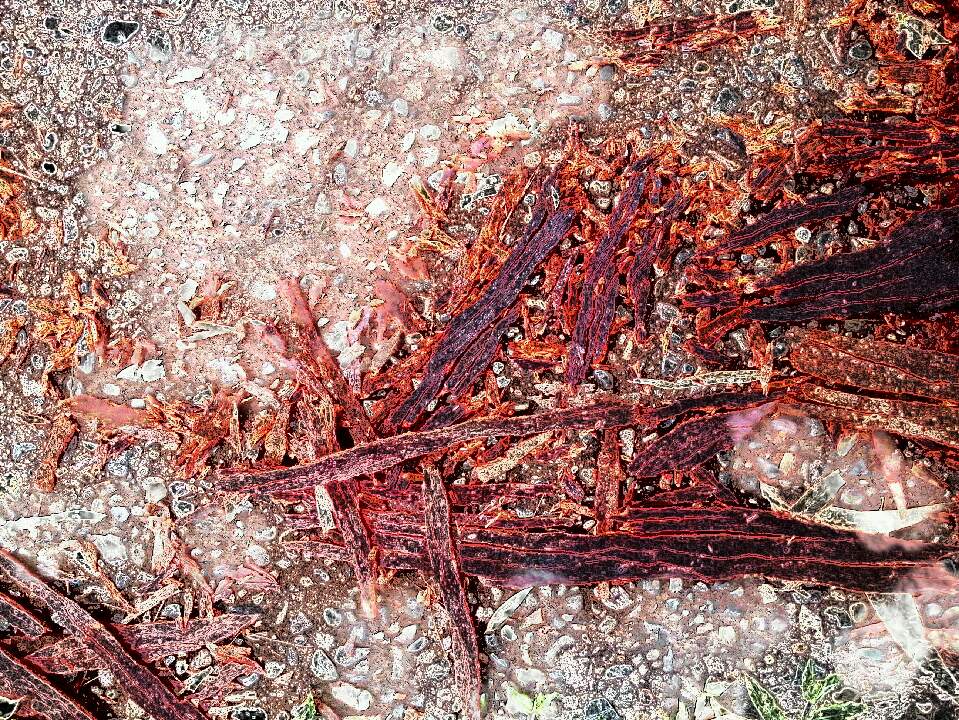
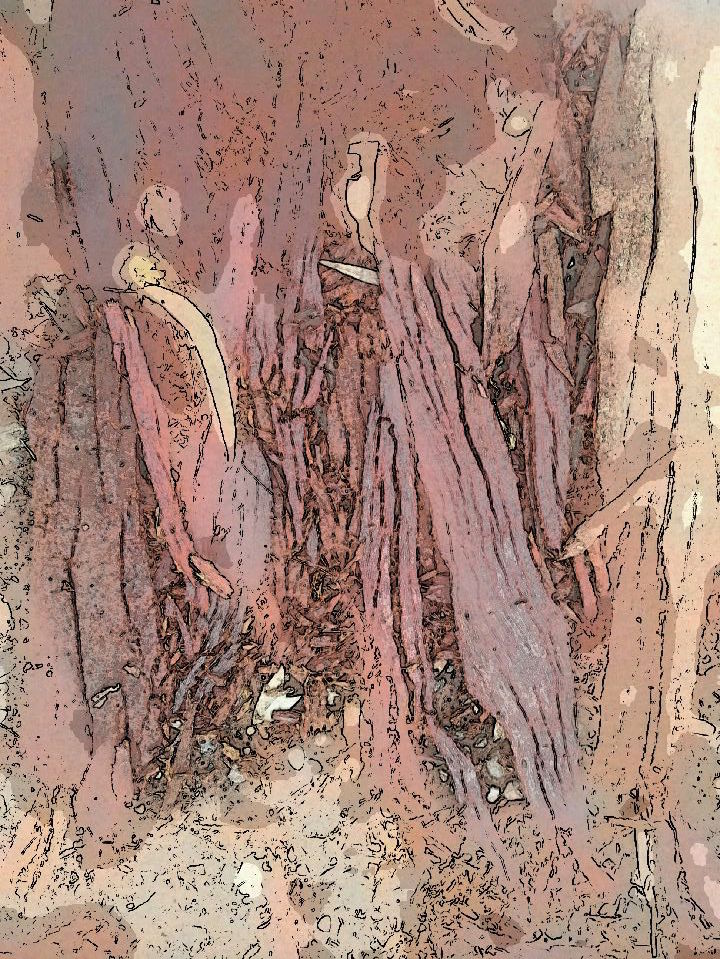
The gum trees look so striking I decided this year to collect most of the bark around our house to try using its dyes and mulch the bark for my garden. The easiest way to break the bark was to leave them out in the rain to soften and then line our driveway, so everyone can help ‘mulch’ the bark for me as they drove up and down each day. It has been almost three weeks of bark-driving. The mulch is ready, but what I did not expect were the beautiful shapes and colours the bark pieces would make. I hope you like this selection I photographed with my phone. I messed with a few of them using an App called Paper-artist.
I found another exotic mysterious plant in my pond – yes, in the pond and we have been here four years. I realised that since the water has almost dried out this spring, it has given the Jacobean or Aztec lily a chance to grow and flower.
Searching on the internet and asking friends about the beautiful red flower, I found this website with the information – mystery solved. Below is what they said:
As there is no need to say much about this beautiful lily apart from the fact that we have found them extremely easy to grow. Jacobean lilies grow very well in full sun. In Queensland, they tend to flower at all times of the year (in fact, there is very rarely a month without some flowering somewhere in the garden). Jacobean lilies do less well under trees but do survive and multiply and lastly they prefer to be in soil that drains freely. The Aztec lily is an absolute joy to have in the garden or in pots and are very companionable with other plants.
After the flowering, I have transferred the Jacobean lily to a nice dry sunny spot, hoping for more gorgeous flowers in the future.
The story was told that when Kemampum heard strange sounds coming from nearby bushes on the edge of the water, he approached cautiously. He wondered whether it was an animal or a bird.
To his amazement, in a basket on top of a pandanus bush, he found an infant. Such was a case of the biblical story of Moses. He exclaimed: “ngamalac!” (which translated means ‘a human’).
Earlier that day, there was a battle between the Ahi and Labu people at the mouth of Bumbu River where the baby was found. In the late afternoon as Kemampum was trying to fetch sea water for cooking he found the baby. Due to fear, Kemampum was cautious in approaching the baby in the basket. The tide was rising and the child was about to drown, and there was no-one else there. Kemampum rescued the baby.
The next day, Kemampum took the child to known Ahi hamlets to seek the child’s parents, but no-one claimed the baby. Since no-one had claimed the baby, Kemampum kept and raised the child with his two biological daughters, Awelu Jalecsu and Geyamtausu Ngongwe.
The child was named Hamalac, which came from Kemampum’s initial exclamation when he discovered the baby on the water’s edge, near the Yam Hole.
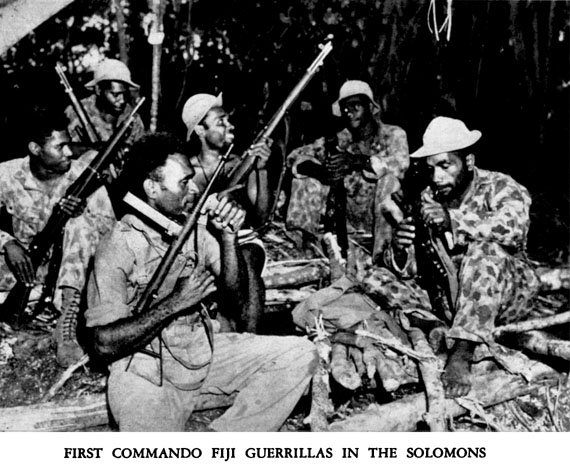
The first Fijian force to undertake service in the Solomons was a special party of 23 guerrillas, commanded by Capt. D.E. Williams, which was drawn from commando units formed as part of the New Zealand 3rd Division and retained in Fiji after the division’s departure. Williams had Lt. D. Chambers as his second-in-command and sergeants S.I. Heckler, L.V. Jackson, F.E. Williams, R.H. Morrison and M.V. Kells as section leaders.
They reached Guadalcanal via the New Hebrides and disembarked at Lunga Beach on 23 December 1942. The Japanese garrison was then still fighting desperately along the Matanikau River/Koli Point line and the American command employed the Fijians to probe the wooded country behind the enemy garrison.
Fiji Commandos with their New Zealand commander.
The first patrol, led by Heckler on Christmas Day, was uneventful, but on the 28th, a small patrol led by Sgt. Williams, acting as…
What the distinguished audience of Lae city that evening did not realise was that 35 years later, a huge development would take place on this particular land, and the question of ownership would become a significant dispute. The speech I gave at age 15 included many important references and landmarks my grandmother constantly repeated to my cousins, aunts and my mother instilling what was ours. None of these important references were documented. Many of our eldest, including my grandmother have since passed away at 89 seven years ago. Still living are her three brothers – Mambu (age 93), Karo and Mendali both in their mid to late 80s. Uncle Max is the eldest son of Mambu Baim.
With Abungac Medali Baim, my grandma’s youngest brother.My sons are in this picture with Abungac Mambu and his Karo. Two of my grandma’s brothers.Uncle Max far right and Mam Malimpu – both are my mother’s first and second cousins.
Oral history as told by Awagia Hampom
As the story goes, “Awagia Hampom is the eldest granddaughter of Iapo Ankwa and her mother is Awelu Yalecsu. Awelu Jalecsu and Geyamtausu Ngongwe are the two biological daughters of Kemampum Iapo. As a result of a tribal warfare at the time, Kemampum, originally from Kamkumung Village sought refuge at Wagang Village. At that time there were main groupings of people already settled at this place in Wagang Village; such as the Wakangbu and Malacbalum and Ong clans. Kemampum and his family hid themselves on a piece of land within the vicinity of the Wakangbu people. He pleaded with the original settlers if they could agree to grant permission for him and his family to settle on a small piece of land called Ambisi, translated as a ‘yam hole’. This was how this portion of land got its name. The Ambisi borders with the neighbouring Butibam clam.
The name ambisi is referred to a hole that is left after yam harvest.
Currently, the case of the Yam Hole (Ambisi) is an ongoing dispute amongst our people in Wagang Village, Lae, Papua New Guinea. The national government is negotiating with the villagers to build a large fisheries wharf on my village. Wagang is a small coastal village less than 20 minutes drive to the heart of Lae City. This is the story about the site of the proposed development which is referred to as Ambisi, or the Yam Hole. The Yam Hole is my family’s inheritance, but due to foul play, the authorities have been negotiating with other people who have claimed to own the land referred to as the Yam Hole. With the permission of my Uncle Ahe Max Mambu, I am proud to tell you this oral history and a story about the Yam Hole as told by my late grandmother Geyam Baim to me. This story was told to my grandmother by her mother Geyamtausu Baim and her aunt Awelu Hampom. In one of the flash fiction stories I wrote in Monday’s Finish the Story, I made a reference to this story in Scatterings of the Blood River (Budac) and how a child was discovered.
My grandmother told this story almost every evening and in between other stories after our dinner. When I was 15, I presented the story of the Yam Hole to a large crowd of Lae City residents in the Lions Club Youth of the Year awards. It was in 1980. I represented Busu Provincial High School in the Lions Youth of the Year challenge. In the competition, an outstanding student was picked from all high schools and tertiary schools to give a five-minute original speech of cultural significance. After a gruelling week of interviews in an elimination process, the final test was to give a five-minute speech in front of business houses, leaders, and distinguished guests of the Lions Club (a large charity organisation) in a 3-course dinner event.
That evening, I borrowed a batik skirt, a white cotton blouse and a pair of sandals from my high school principles’s wife. I did not have anything of such quality and was specifically instructed that it was a high society gathering and I must not even wear slippers. Most children owned a pair of slippers or jandals, which we wore to school. None of my family members had any fancy clothes, let alone shoes of any kind. Despite not having anything smart to wear, my family was excited because I would make this speech about our ancestry. I tried to practice my speech in English because in Bukawac, I knew it by heart. It was after all, out family history.
My speech, although based on the Yam Hole and our family’s oral history; featured my great-grandmother and her sister and how they fought the white men/Australian administration and German missionaries to settle and remain in our village. The two sisters were not prepared to give this land away because it was fertile, had clean drinking spring water and completed with two large rivers circling the entire village portion of the land. Part of this land is where Lae city sits on and part is where our village is.
The Lions Club evening was also the evening I learnt to use knife and fork at a table for the first time. Each finalist Lions youth was sat at a table consisting of dignitaries and business people. Our conversations were also marked. I sat in my ‘borrowed’ clothes, the wrap skirt feeling too tight. I struggled to keep the slightly larger sandals on my feet with my napkin still on my lap while I carried on what seemed to be a normal polite conversation with very important strangers at my table. In front of me, on the huge white dinner plate, I tried to elegantly spear my dead cooked half-chicken while it gracefully danced on this huge white plate. I remembered, how crowded the table was with no room to move. It had too many flowers, candles, cutlery, glasses and people, while the food on the huge plates were in very small neat quantities. I could not really tell you which was scarier; the conversation, avoiding the glasses on the table, using the wrong cutlery, losing my borrowed skirt or shoe or catching and eating the dead chicken on the big white plate without getting any of the sauce on my white cotton borrowed blouse from the principle’s wife. I was very hungry, but I had to keep calm and keep it all together until I told the audience my oral history about the Yam Hole.
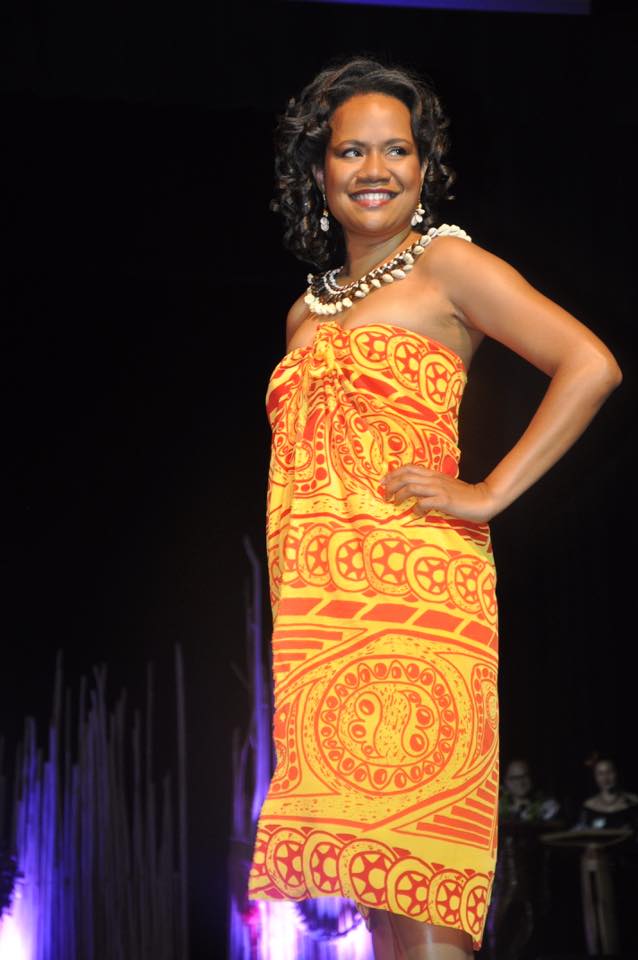
For anyone visiting Cook Islands in the next two weeks, here is a cultural beauty show you can see. Miss PNG Abigail Havora will be a contestant. Results will be posted on this blog after the crowning.








 Tribalmystic Stories