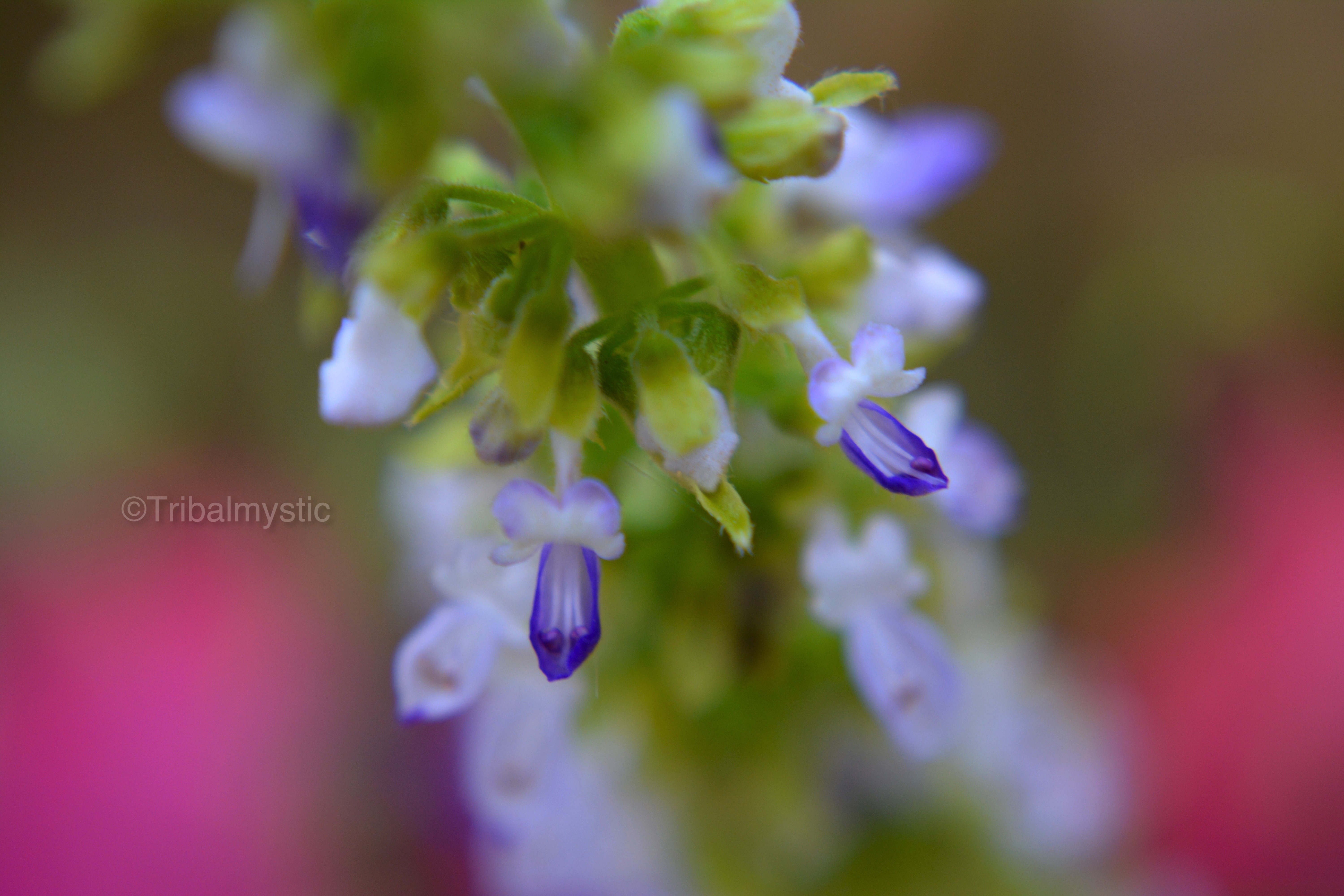
I photographed the Coleus up close today. The coleus has always been a favourite of my mother and I. My mother has propagated several varieties of coleus at a time around our house and in all the food gardens where I grew up. We used coleus for singsing (traditional dancing).
The flower is also called the painted nettle and poor man’s croton. They grow fast and survive better is partial shade. I am fascinated by the way nature combines the colours in coleus.
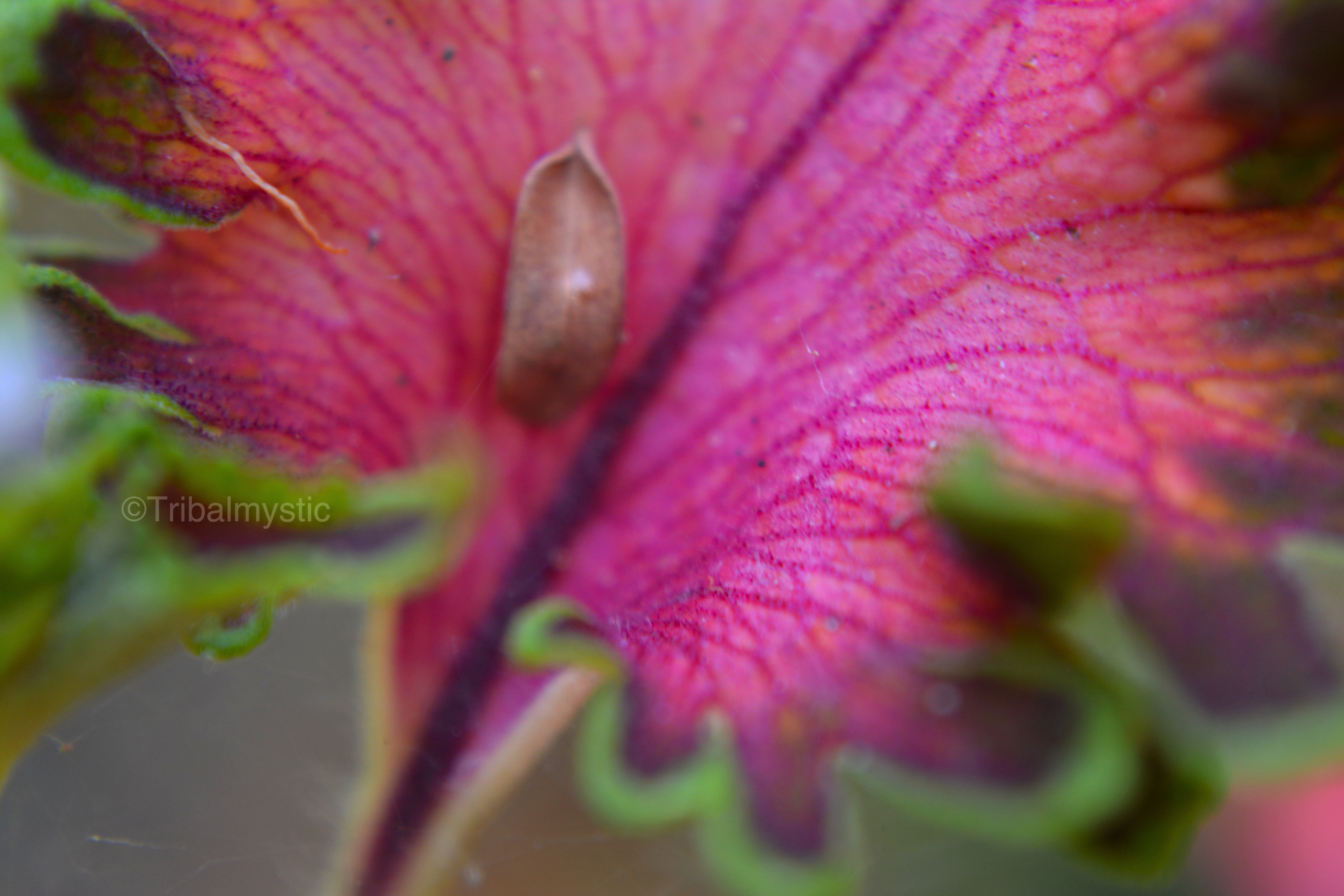
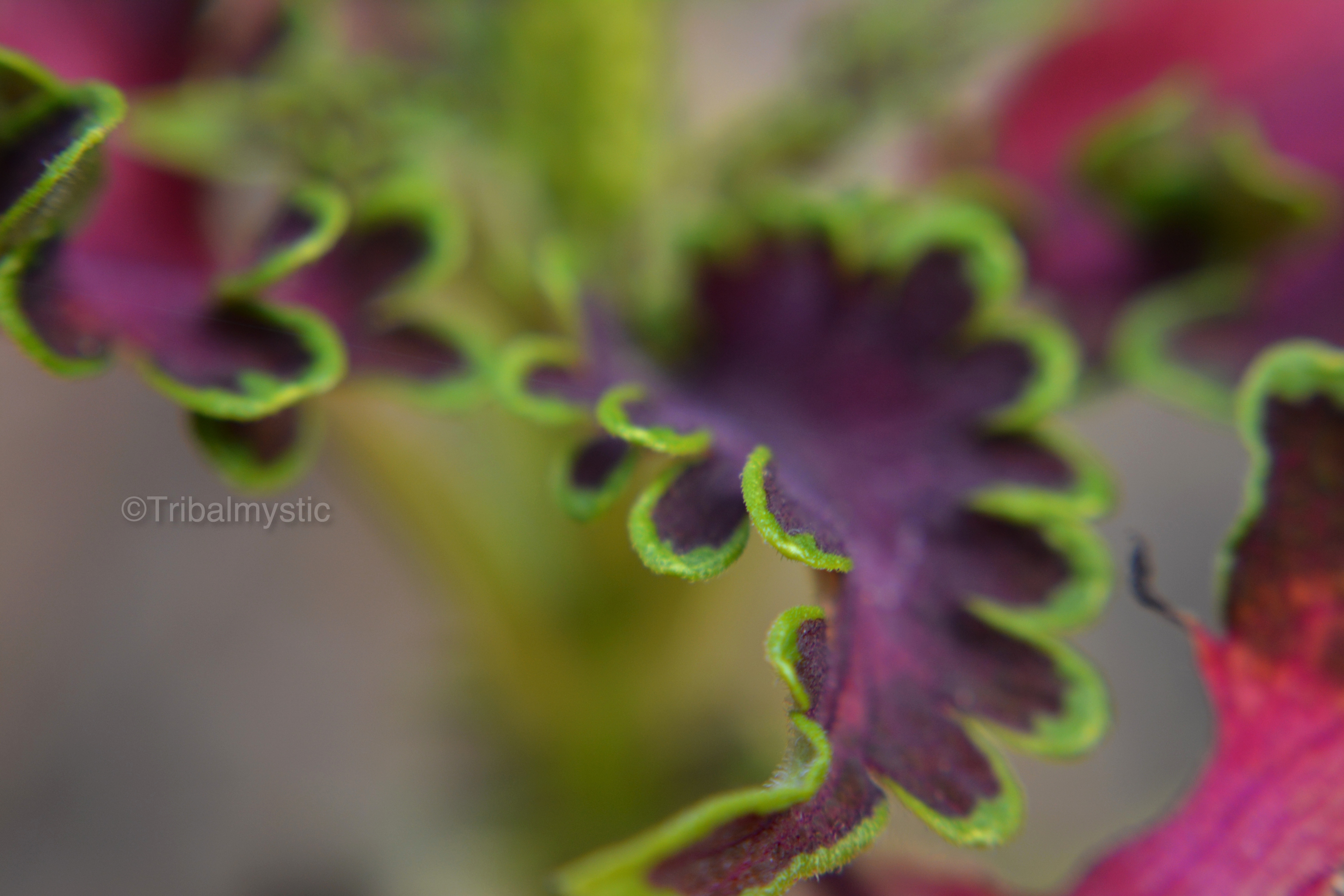
There are so many different colour combinations on this flower and the colours are surprisingly complementary. For example, the lime green and the pink in the pictured leaf above and the green and purple in the young leaf pictured below.
I love coleus especially because I can get natural dyes from some of the varieties for my art. See previous post.
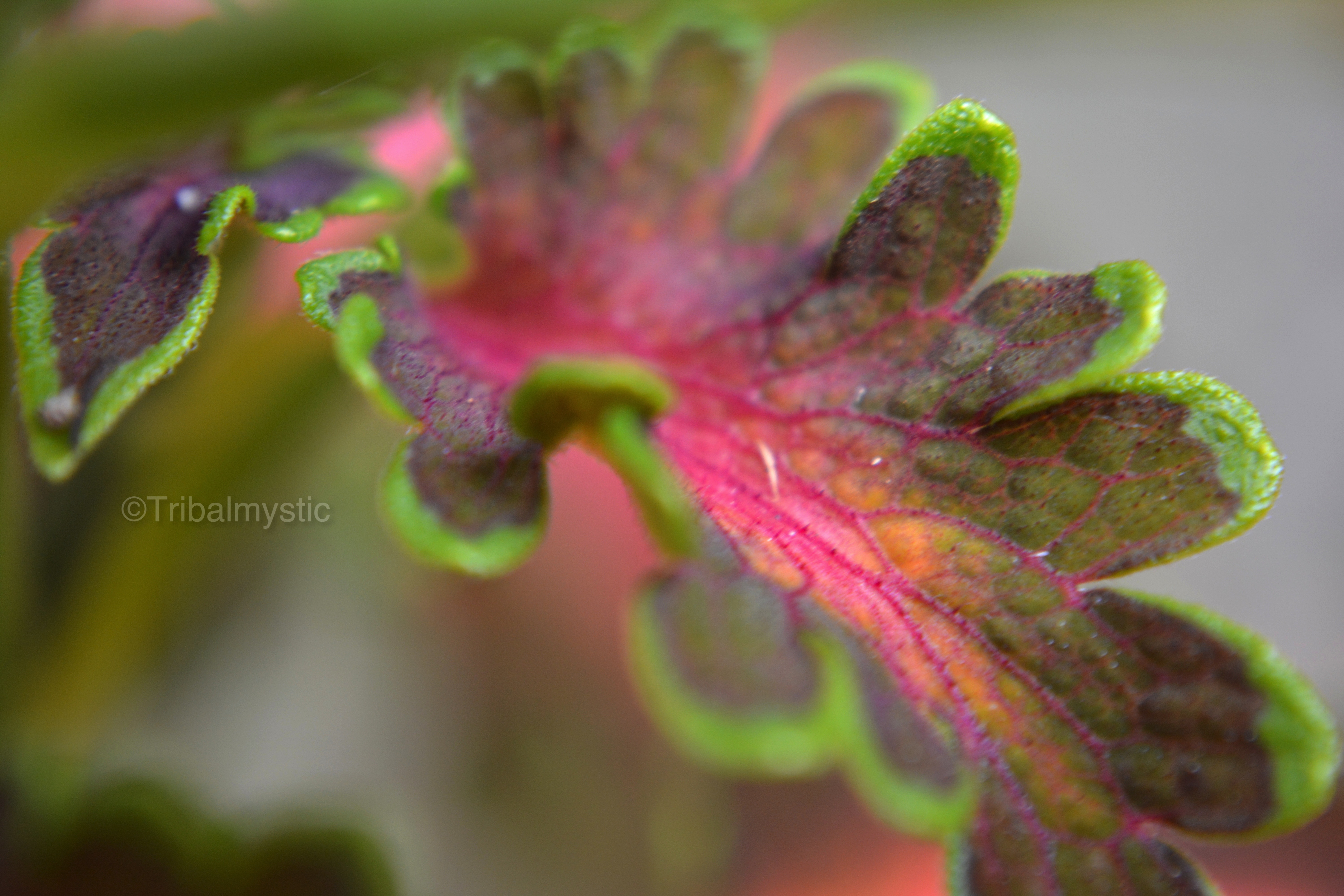
Even when the leaves get a little older in this variety, the orange is added to the green on the picture below. Again, another complimentary colour to what the plant already has. It is almost as if to say that the Coleus knows how to dress – she is very fashionable. She does ‘read’ the colour chart very well.
A mother takes her son outside to blow bubbles in the snow and gets inspired to produce one of the most amazing photographic series of frozen bubbles. Found on DNA Art is our cool stuff – a collection of bubble photographs by Washington-based photographer Angela Kelly. The bubbles were created using a simple solution of dish soap, karo syrup, and water blown into a minus 9 degree temperature.
“We blew the bubbles across the top of our frozen patio table and also upon the hood of my car and then we watched in awe as each individual bubble froze with their own unique patterns”. Kelly said.
Mondays Finish the Storyis a flash fiction challenge by Barbara W. Beacham. The story requires 100-150 words (excluding the first sentence). Here is my short story for this week’s prompt based on the first sentence below and the picture.
The Red Tomb – short story
“Where did they go?”
The two owls following her seemingly disappeared. Together yesterday, they watched the horizon quickly swallow the sun. Now they’re gone.
The mud on her feet lifted a coat of ochre from the red track. Dusk soaked and chilled her body, while blood from cuts drawn on her bare arms and legs marked her run through the arid country in search of the Red Tomb.
Tia stopped. The wind tapped her silky hair gently against her waist. Beyond the treetops, the sun stretched the shadows of the peaks, reaching to clutch her.
At last, she had reached the Red Tomb. She must borrow from her ancestors to save her five-year-old daughter.
“Go to the Red Tomb. Collect red dust from your ancestors’ graves. Their spirits will travel with you. When I bath Luhana in that dust, she will return to us”, the witch doctor whispered, before Tia left her dying child.
……………………………
(Click on short story category to read my other stories)
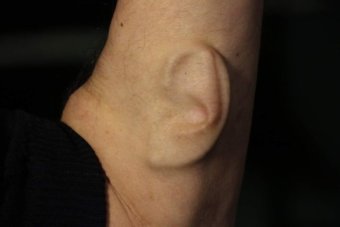
Perth artist Stelarc grows ear on his arm, plans to connect it to internet.
Hear for art
Image: ABC Copyright: Can you hear what I hear? Stelarc’s implanted ear up close
ABC News Courtney Bembridge reported it has been 20 years in the making and involves the growth of a human organ, but for Perth-based artist Stelarc, it is just another project.
The Curtin University professor is growing a human ear on his arm.
“People’s reactions range from bemusement to bewilderment to curiosity, but you don’t really expect people to understand the art component of all of this,” Stelarc said.
“I guess I’ve always got something up my sleeve, but often my sleeve is rolled down.”
Stelarc first conceived the idea in 1996, but it took another decade to find the medical team willing to make it a reality. Click on ABC link to watch the video – please be warned, some images are graphic.
There are a lot of tips on what you need to do when you have a book ready to publish. Here are top five tips on publishing for children.
The man himself, Barry Cunningham, the original publisher of Harry Porter and the Publisher of Chicken House gives a little advice to aspiring writers for children’s books, ranging from age 7-18.
Personally, I think this advice is good for any aspiring author with a ready manuscript – not just children’s books. What do you think?
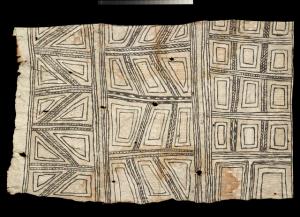
Image copyright: TePapa Museum, Wellington, New Zealand.
Papua New Guinea has one of the most unusual collections of bark cloth (tapa) in the world. The art of making tapa is a timeless tradition in PNG and many Pacific Island countries. A cultural heritage handed down from generation to generation, tapa making has survived western influences and is still worn by its makers.
While the tapa cloth is made in different parts of the country, the Oro Province is known world-wide for its distinctive designs and patterns. More on tapa in a future post.
THE night was still and dark. Dogs did not bark. The wind blew gently.
Children and babies had stopped crying and laid their heads to rest. Even the night birds were silent around the coastal Morobe village.
Below the whistle of the gentle breeze, Kalem heard a song. It was soft, beautiful and so sad it almost made her cry. It sounded very familiar.
Lying still on her woven pandanus mat that grandma made for her, she searched through her memories – where has she heard this song? Her grandma had passed away last year. She missed her. After tossing and turning for what seemed like forever, Kalem knew she had to find out.
She picked up her mother’s torch. Beside the torch was a piece of hard shell, a turtle shell she found on the beach. She kept it for good luck. Suddenly she remembered – the song! It was the song of the turtles. Their nesting time happens near Kalem’s birthday, but they have not come to her village for a long time.
Tonight, something was wrong. Grandma said only the mother turtle sang the turtle song. No one in the village knew that song except her grandmother, mother and now her. Grandma sung and taught the song to Kalem while they were fishing. “Who is singing it now?” Kalem wondered.
Afraid but excited, Kalem headed to the beach. As she walked, she remembered Grandma’s words: “Our people are connected to the ocean, we fish to survive but we must respect the lives in the ocean. We must never kill for nothing.”
Not many people can connect to the animals and fish, but grandma said their family had a special gift because their ancestors came from the sea and are tied to the ways of the sea. Kalem walked quickly along the beach as she listened for the song.
“If you ever hear the song Kalem, you know, Mother Turtle needs you”, her grandmother told her. When Kalem was born in the turtle season, grandma told her mother – “this girl would one day meet Mother Turtle”.
Kalem followed the song out of her village and along the shores, further and further away from her house. Her heart beat faster when she arrived at the river where the villagers washed. Where the river met the sea, villagers set fishing nets along the shoreline. Kalem heard a loud splash. She slowly stepped forward, flashing the torch.
Tied to a large driftwood stump on the beach was a long, green fishing net. On the calm water surface, a big red buoy floated just offshore, and at the end of the net.
Something had been caught in the net. The thing splashed again. It rippled and frothed the seawater in a circle. It was large, dark and nearby the shore. It did not look like any fish or crocodile Kalem knew.
When she flashed the torch at the dark shape, she was shocked to find a very large sea turtle tangled in the net. It was so large, Kalem was sure it must have been the mother of all turtles. Kalem flashed the torch on the water.
She could see smaller turtles floating about, their heads bobbing in the water. The turtles circled the net. They were all making strange noises like they were crying too. The mother turtle was bigger than Kalem’s ten-year-old body, but Kalem had to try save to her.
Even with no strength left, the mother turtle kept singing her song. Weakly, her tired flippers hit the net and her voice faded to almost a whisper. Kalem’s tears flowed down as she waded through the water quickly and tried to set the turtle free. After struggling with the net and the weight of the turtle, Kalem ran back to the village and woke her mother.
“Help, wake up!” Kalem cried. “It’s Mother Turtle – we must help her”.
Kalem’s mother was confused. Often she thought her daughter was a daydreamer. After Kalem calmed herself and explained, she grabbed her mother’s arm and led her back to the beach. They took a knife and cut the net to set the mother turtle free. The large turtle swam up to Kalem and her mother. She bumped them with her nose before she and the other turtles disappeared into the deep, dark waters.
Kalem remembered grandma telling her about the life of the mother turtle. Grandma said it took many years before the turtle was ready to make babies. Every two or three years, the mother turtle leads her group to her own nesting beach, where she was born. Sometimes she travelled long distances to get there. Usually she would lay over a hundred eggs, but only a few survived.
Other animals, people and large fish eat the eggs and baby turtles. Kalem’s people loved eating turtle eggs and meat. Their village was once a nesting ground for turtles. Lately, less and less turtles have come to lay eggs. Standing silently in the dark with her mother, Kalem thought of how scared the turtles were tonight.
“They might never return…we must teach our people to protect the turtles”, she whispered to her mother.
“I am so proud of you Kalem. The turtles will head to a safe place to lay their eggs. Maybe this was not the right place for them, but they will find a perfect home some day”.
Her mother held Kalem close as they headed back to the village.
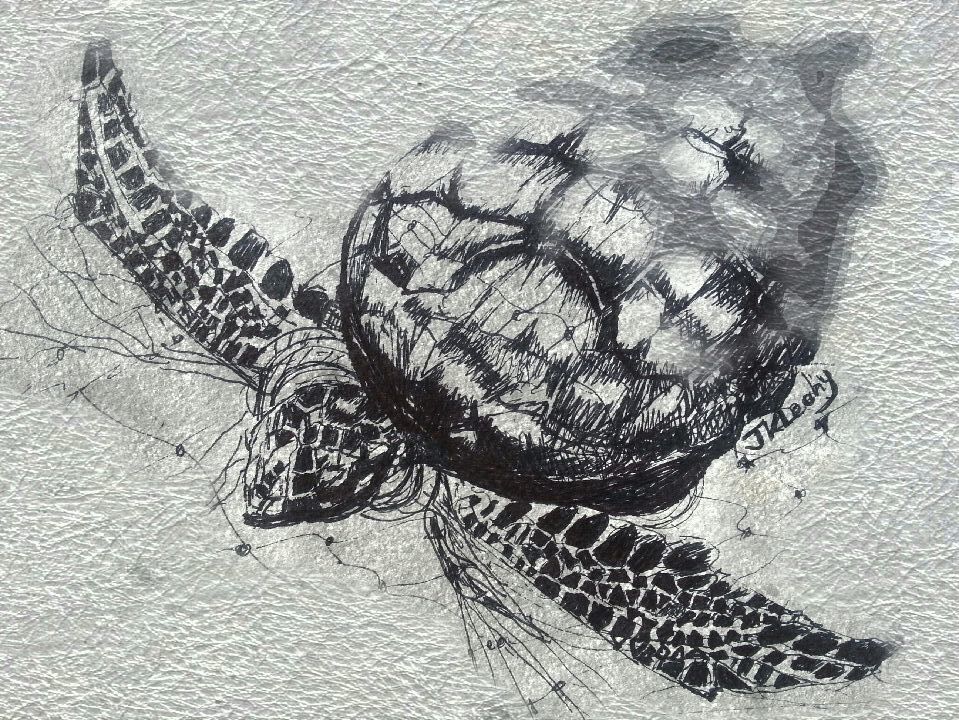
The Song of the Turtle – JK.Leahy Illustration, 2015. Pen and Ink on paper.
My entry into the The Crocodile Prize, Papua New Guinea’s National Literature Awards, won the children’s category. “The Song of the Turtle” is a fiction based on events that happened when I was growing up in Wagang Village, Lae, Papua New Guinea. I will post the story here, tomorrow.
I had watched turtle eggs being found and gathered on our beach and watched sea turtles captured and eaten. Today, the large sea turtles do not lay on our beach anymore.
Across the Huon Gulf on coastline Labu, turtles are being protected and a certain coastline has been declared as a protected habitat. The locals are part of the turtle protection programme. I am glad this has happened. Read More on the Labu Turtle project here.
I hoped that “The Song of the Turtle” will teach Papua New Guinea children about how important it is to care for wild-life and wild-life habitat in our country. PNG is lucky to have so many beautiful species and with effects of climate change and human development, numbers of species and wildlife habitat is becoming fewer and soon, some will disappear forever.
There were over 800 entries in the Crocodile Prize this year. 160 entries including The Song of the Turtle has been published in the 2015 Crocodile Prize Anthology. It is on sale on Amazon.
WRITERS from seven provinces feature in the nine prizes awarded in this year’s Crocodile Prize – Papua New Guinea’s national literary awards.
And one of the winners, 20-year old medical student Hazel Kutkue, not only won the Martens’ Award for Young Writers but the national short story prize – a prodigious achievement at such an early age and against some very stiff competition.
The Ok Tedi Mining Award for Book of the Year saw Baka Bina’s Man of Calibre triumph in a strong field of 10 contenders while the inaugural SP Brewery Award for Illustration went to another Eastern Highlander, Emmanuel Landu, brother of two-time Crocodile Prize winner, poet Lapieh Landu.
Other provinces represented in the prize winners are Enga, Simbu, Milne Bay, Morobe, Madang and the National Capital District.
The other winners include Philip Kaupa Gena (poetry), Busa Wenogo (essay), Joycelin Leahy (writing for children), Ronnie Dotaona (heritage) and Daniel Kumbon (tourism, arts & culture).
The writers’ ages range from 20 to 56, averaging 36, and their professions include economist, teacher, court officer, journalist, artist and student.
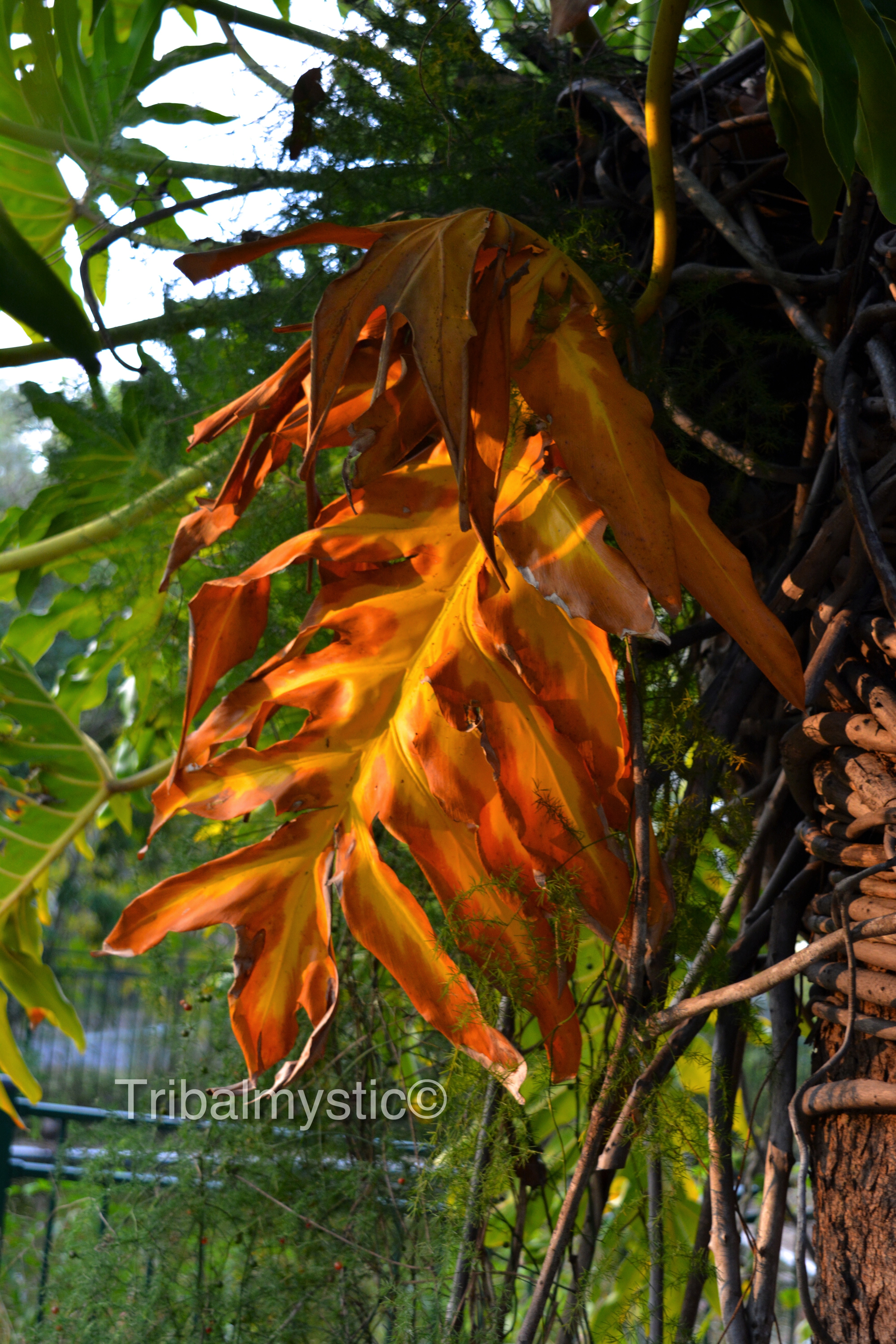
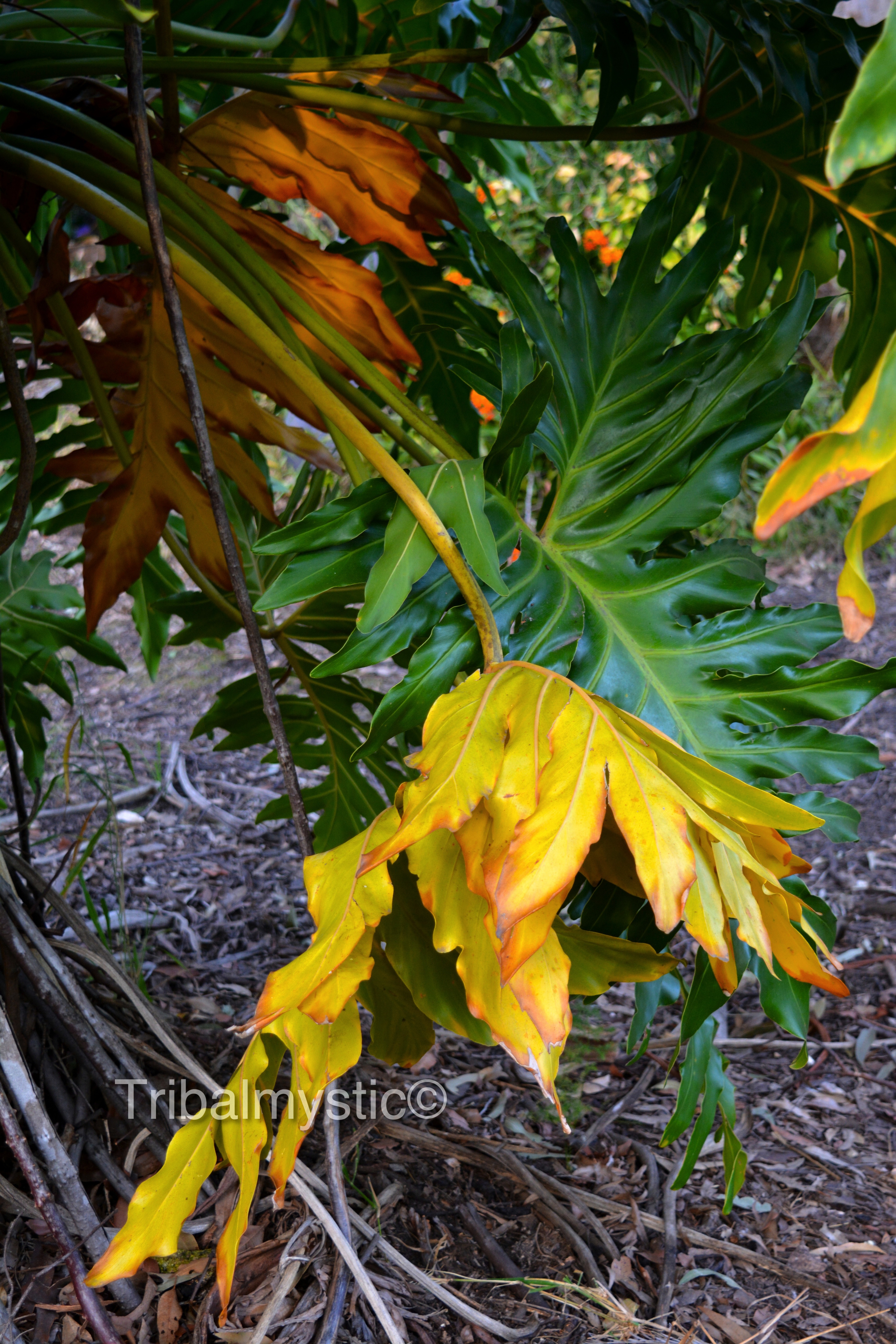
Let’s explore the anatomy of the slow, steady growing and long-lasting tortoise-like leaves. I just happened to photograph one of my favourite subjects, the Philodendron which has tortoise-like leaves.
A study by Dr. Peter Reich is looking at the different responses of tortoise-like leaves versus hare-like leaves to changing environments, such as higher levels of carbon dioxide in the air caused by climate change. As each generation of leaves reproduces, new genetic combinations are created.
.
Dr Reich studies leaves. Basically a study of leaf takes into account the longevity, productivity and nitrogen content. The University of Minnesota Professor compares the life-patterns of leaves to the fable of the Hare and the Turtle. In the race, the hare is winning the race, but he gets too confident and takes a nap. The turtle passes the hare while the hare is asleep and wins the race. In the case of the leaves, Dr Reich compares the tortoise-like leaves to be slow and steady growers that live longer. The leaves that are hare-like are speedy growers and do not last long.
According to this study tortoise leaves such the Philodendron’s leaves will grow slowly and steadily. But sciences also prove that the leaves in the tropics live fewer years than leaves on trees in cold climates such as the spruce in Canada.
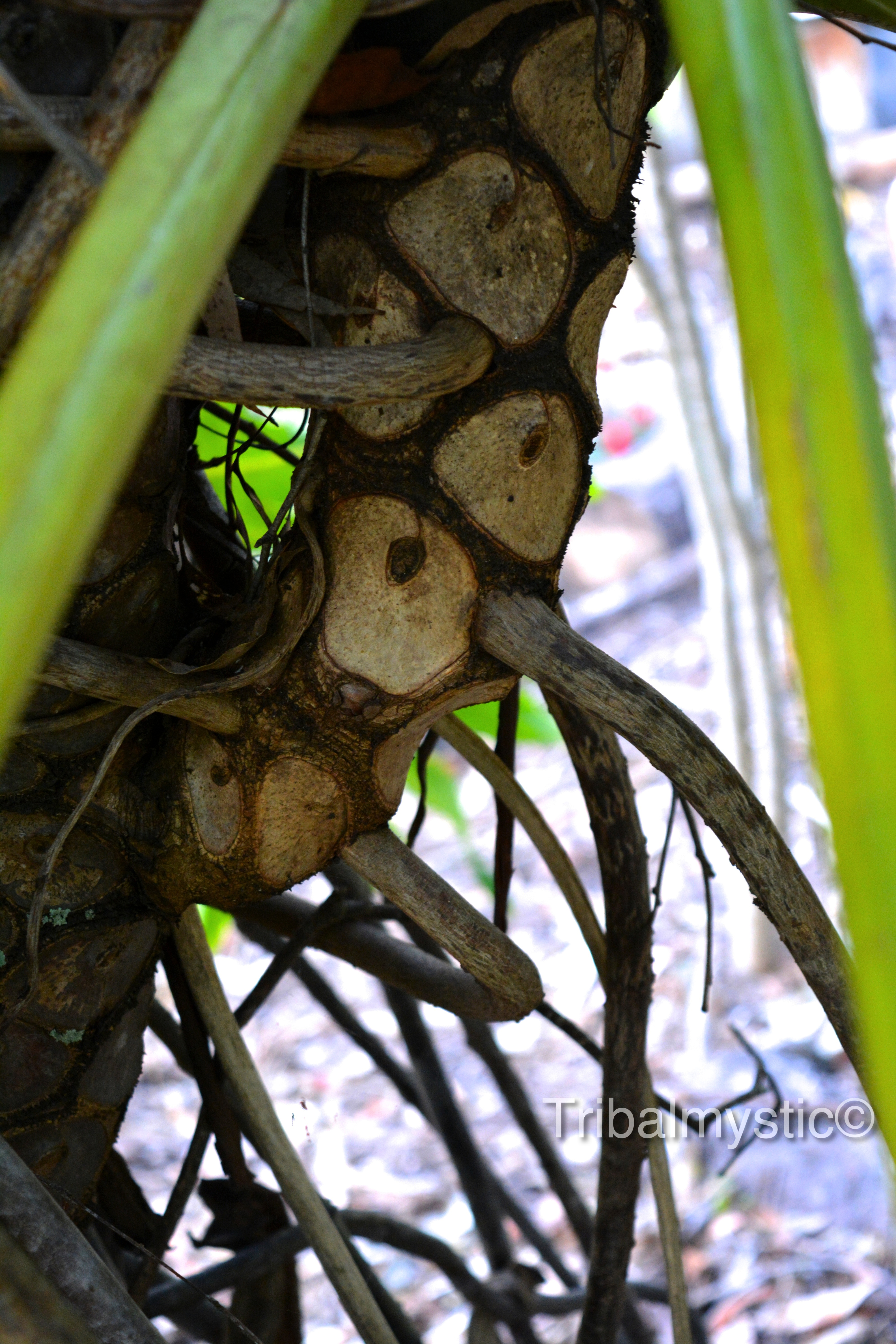
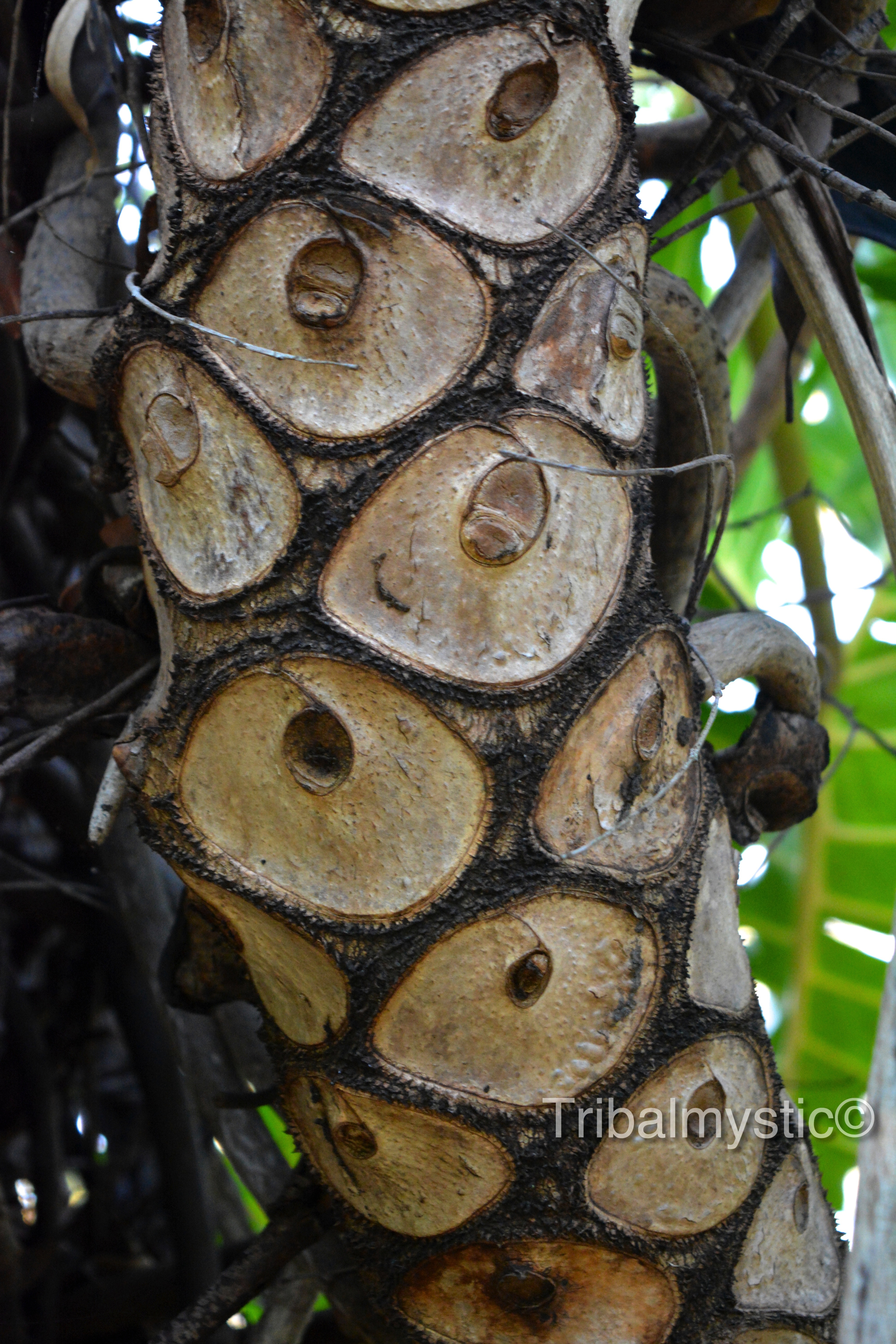
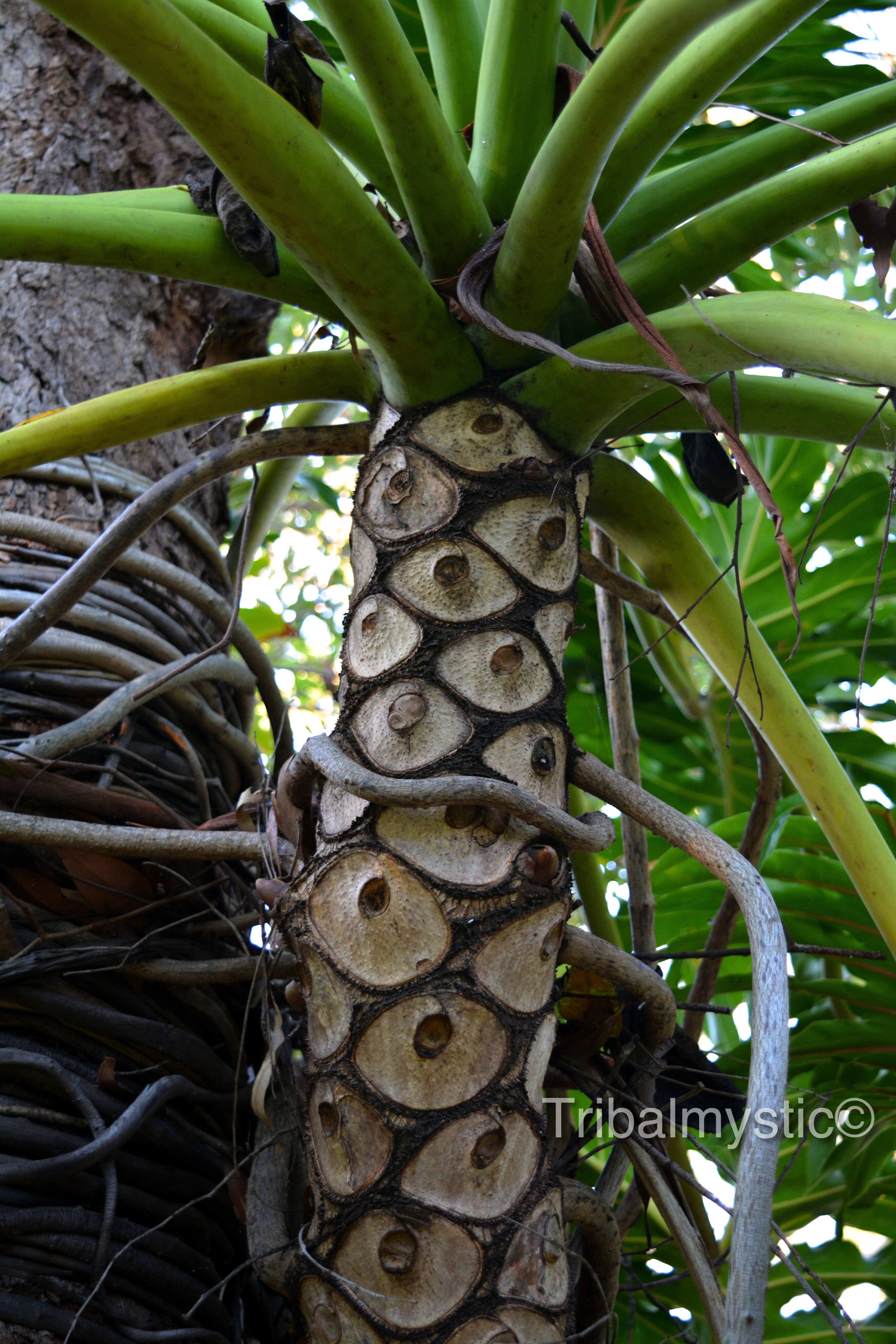
Below is the trunk of the Philodendron.
Even a Philodendron’s trunk has tortoise-like patterns. This part of the plant is where my art inspiration comes from.
Spritam, approved by the FDA for people who suffer from certain types of seizures caused by epilepsy, is manufactured in a layered process via 3-D printing. Source: AP
I was catching-up on my Twitter account and I found this article in The Australian about a 3D printer that can ‘print’ pills or tablets. It is quite extraordinary that a 3D machine can make medicine, however, this is the latest medical technology.
Medical technologists believe that doctors will ultimately be able to print any tablet they want while their patient waits and be able to personalise the dose, shape, colour and other features of the pill. Now, does that not sound weird to you? I guess it may not be so for some of you, but for a Papua New Guinean, we make traditional medicine by hand and using various plants from nature, so it does sound weird to me. I guess you could just about programme any machine to do anything these days.
The US medicines watchdog has for the first time approved a pill that is created using a 3D printer called Spritam.
Spritam has been cleared by the US Food and Drug Administration to be used to control seizures in epilepsy sufferers. The tablets are printed with air gaps to create a porous structure that helps them to dissolve faster than traditional pills.
Aprecia Pharmaceuticals, the maker of Spritam, said that the drug would be the first in a series of 3D-printed tablets to treat diseases of the central nervous system.
The printing of tablets will also be useful in the developing world, where distribution by health agencies is often difficult. Researchers at the University of Glasgow are developing a 3D printer that can synthesise any molecule.









 Tribalmystic Stories