
The Big One – J.K. Leahy
(A special tribute to some of the powerful women that influenced my life).

My line stretched beyond the width of the fat river. The water was slightly brown-greenish – you could see fish swimming under the surface. There were plenty. Debris from two other smaller river mouths came towards us and unfolded to the current that spread across the wider larger Socwa river. The 250gm nylon fish line pressed an unseen line on the glassy surface. We were in the swamps of Wagang Village, Lae, Papua New Guinea. I felt good my hook and bait was close to the other side. Maybe it will catch the big one.
It wasn’t a race between Ma Yang and I. It was a process of an apprentice with her teacher. And the apprentice in her final learning stages before graduation. The river had risen and covered the mangrove and pandanus roots and low-lying branches are now touching it. A mix aroma of wild tree flowers hung in the air, but the sweet pandanus penetrated the balance. With the deep current, yellow and peach awaho flowers flowed in a line that meandered through the low-lying branches like ballerinas in their fluff skirts. The flower centres popped out like mini umbrellas in deep maroon and gold flecks.
At eight, I was in primary school. But in my fishing years, I was ready to enter university, so we were there to start that course. This location is not for kids as my aunt would say.
“Only for those who are special” she said with a wink.
I knew my aunt had many secret fishing places. But if my mother knew Ma Yang had brought me here, my aunt would have been in trouble. Mother was mostly away and she would never take me to such places; she said “gaming sac” – meaning bad place, and they were full sorcery and other spirits lurking in the shadows.

My lead fishing teacher was beside me, and together we carried our old rice bags, roughly cut at one end and filled with bait (shrimps). The bait were all alive. We had a bush string each for our catch tied to the bag and dangled in the water. My teacher carried a knife. Sometimes we carried a roast banana or kaukau. Dry biscuits were okay, but they made too much noise when we snapped them with our teeth.
“We can pack them, but eat them on the beach after”, she said earlier this morning.
Ma Yang and I had planned this fishing trip for days. Yang yang means yellow in my mother-tongue, Bukawac. (Aunty Yellow was nicknamed “yellow” because of her skin colour).
Today the river swelled. Lup suc means the river had fattened with partially salt, debris and waste from rotting leaves, swamp and other fish life that would provide feed for the ‘kol pis’ in pidgin which means ‘cold fish’ – these are several breeds of swamp river fish.
I suddenly felt a tug and reeled in a cold fish. It was scaly like a python with brown green and bluish undertones. My aunt looked at me to say, ‘well done!”, but it’s all in the eye-talk.
The mosquitoes were biting, but the adrenaline from the fish bites created some tolerance to the annoying buzzing and bites. Sometimes without feeling the sting, when I took my eyes off the line, I saw mozzie bellies getting bloody and tight, then the mozzies would fall off and fly away. To constantly smack the mosquitoes meant an intrusion to the balance of the stillness, and the fish would move away.
“Mamang eng – be silence as Ma Yang often warned when we entered a sacred place. Every great fisherman knows that”. With the mosquitoes, she said if we put up with pain and irritation, we would truly master the art of fishing for cold fish.
I put some water on my brow to keep me cool. It was lovely under the trees but still hot. My next shrimp bait was peeled and neatly tucked over my earlobe like a cigarette – Ma Yang did the same.
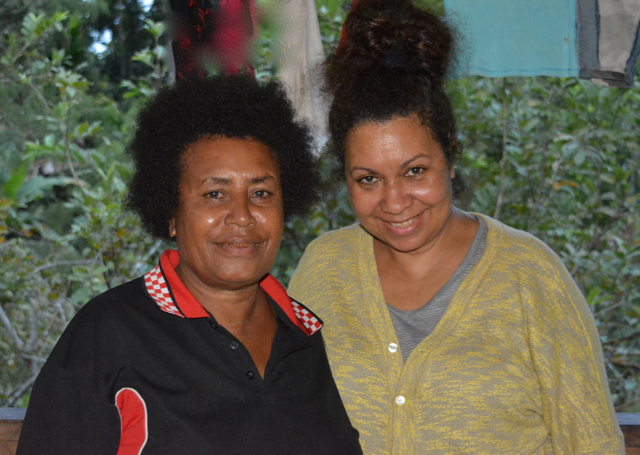
We had travelled to this spot along the beach away from the village and deep into the swamp. Aunty Yangyang always picked a new spot for fishing, because she knew. I know she learnt it from her mother and my grandmother. My aunty’s mother was my grandmother’s sister. I was always excited at the anticipation of what mystery and beauty we would discover next and the fish we would catch there. My teacher never told me where we were headed next until we got there. That was part of the lessons – I had to pay attention to the land marks and work out how to get there on my own in the future. We used only shrimp baits for cold fish. We caught the shrimps the day before in a separate stream not far from our small village.
Travelling waist-deep through the wetlands and thorn bush, sharp objects, shell fish and branches and often stepping on kalum (thorn snail). This small snail is dangerous. Its tiny spikes broke off into your foot when you stepped on it. This often got infested, and can immobilise you weeks, if not dealt with early. It is funny because the word kalum also refers to ‘havoc’ in our language. The more difficult the journey, the more fish we caught, at least that’s how I saw it.
As my line raced across the flat surface, I pulled. Before I pulled out the fish from the river, there is a dance. The kol pis likes to jerk the line a couple of times and then let go. After a few jerks, it pulls hard and that’s when you know, you have got it. Aunty Yangyang taught me to not hesitate but also, not pull too soon. If you do, you lose the fish.
After years of fishing with Ma Yang, I learnt that some of the kol pis like eboob and ewayum took the lines like the ocean travelleys and made a dash for it.
I took my fish off my hook and I put the bush rope through the gills and dropped it into the water. It was now swimming again with the others I had caught.
Ma Yang was very quiet, but she had her eye firmly on the dark corners opposite us. We had fished for most of the afternoon and had been there for almost six hours already, but she was set on catching the big one. The big one is called “ee oc”. Both our catch lines were about a metre long. This would feed several households.
The big cold fish usually came at the end, like the grand finally and often this fish would come before or after you catch an eel. They co-existed in nooks of tree roots in swamp holes – both this fish and the eel. When my aunts and grandma and I catch these with our hands, you stick both hands into the holes and gently move along the belly of the eel to find the other. In my learning days, my grandma would find them and guide my hands to feel through the thick swamp. It was exhilarating, but all done in complete silence.
The sun was setting, and it got cooler. I had questions, but I was taught not to ask questions on the job. Anything I needed to know would be asked while we were walking home or by the fire at meal time. No-one spoke when we were ‘in the zone” and the fish were biting.
It was almost time to go home, but I was not tired. As the sun threw its last rays of a golden pink powder over the open space and green scaly pandanus – its reflection came closer to us under the awaho tree. She touched the water and I looked at her. Ma Yang’s fish line raced across the water and cut in a straight line as if a knife was being inserted into a cake. My teacher flexed her large, dried palm fish rod. It bent completely to the weight of what glided in large curbing circles in front of us.
She glanced at me. The finally dance began. I knew, the big one was here, but I must keep still.
…………………………..
Ma Yang died a few years ago after a long illness – there is an earlier post about her. I miss her.

 Timu village, Komo-Magarima is unrecognisable. Seven people are buried under the rubble.
 Double Decker Views
 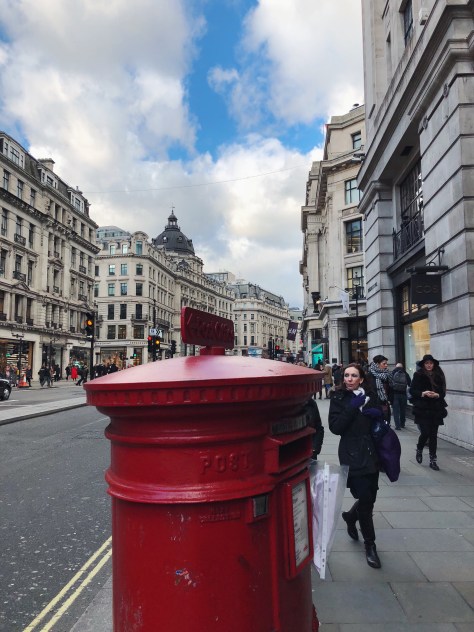 Quick snap between shops, Oxford Street
 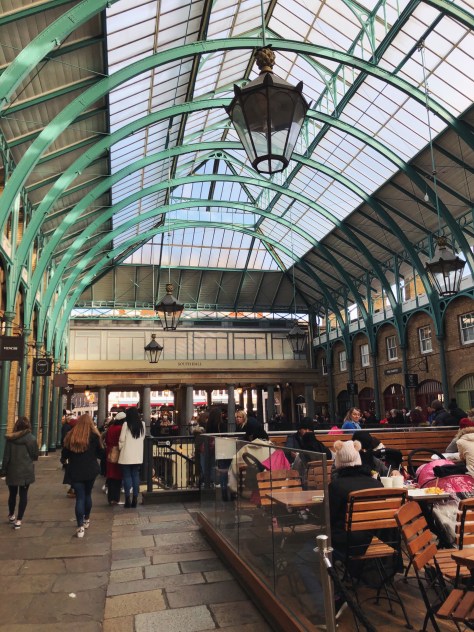 “Buried in that place in Covent Garden”
  Old Spitalfield Markets
 I was lost at this point




 Tribalmystic Stories