Category Archives: Culture and Heritage

Stories about the arts, cultural projects, festivals, costumes, exhibitions, intangible skills

Nature Inspired Talent


The Australia Day will be next Monday, January 26, and I would like share a few Australians that have extraordinary stories and make me and the country proud. There many Australians I am proud of. It would even be impossible to fit them all into my blog in the 1000 posts I had promised in September. However, given the limited time between now and the actual day, I will share only a few stories. I would like to start with someone my sons and I admire for his musical talent, his love for his culture and nature. It is a little like me, except, my musical talent appears when there is no audience and I have had a few wines.

On a serious note, please ask Abung (Google) to help find Xavier Rudd and listen to many of his beautiful songs. I am sure many of you will know him. He is a one-man band and plays most of the instruments himself. His life as a nature activist makes me particularly proud and this is his story from The Nature Conservancy

Xavier Rudd
Hometown: Bells Beach, Australia
Day Gig: Environmental Activist, Surfer
Night Gig: Internationally Acclaimed Singer Songwriter and Didgeredoo Master
Environmental Concern: Oceans

Singer-songwriter, musician, activist and surfer Xavier Rudd is considered to be an iconic voice in Australian music. Using a range of instruments, including guitars, yidakis (also known as didgeridoos), stomp box and percussion, Rudd has become known for marrying uplifting music with thought-provoking lyrics.

Since his first studio album, To Let, debuted in 2002, Rudd has earned a reputation as a strong mult-instrumentalist who writes, sings and plays from the heart. Solace, his second album, was recorded in Vancouver with friend and producer Todd Simko. It debuted in 2004 in the top 20 of the ARIA charts and three of its songs were voted into triple j’s annual Hottest 100. It was followed with the ARIA-nominated albums, Food In The Belly and White Moth. In 2008, the gritty, dark and dynamic Dark Shades Of Blue redefined Rudd as a lapsteel player and lyricist. His sixth album, Koonyum Sun, was recorded as “Xavier Rudd And Izintaba,” and featured a collaboration with bassist Tio Moloantoa and percussionist Andile Nqubezelo.

In 2012, Rudd released Spirit Bird. His seventh studio-recorded album, Spirit Bird debuted at #2 on the ARIA album chart, and has earned critical acclaim as well as a 2012 Australian Independent Record Labels Association Awards nomination for Best Independent Blues And Roots Album.

As a review in the Seattle Post Intelligencer notes: “over the course of his career [Rudd] has evolved from being the accompaniment for surfers and late night beach parties (not only were some of his songs featured in the movie Surfer Dude, he wrote parts of the movie’s score) with an environmental conscience to singing about having a spiritual bond with the planet and the compassion required to create it… he gives us his vision of the potential for a better world.”


Born to Sing


I love World Music and have always found the South African music very lifting. Recently, I discovered the music of Peki Emelia Nothembi Mkhwebane from South Africa. She is an award-winning Ndebele musician. Her singing, dancing and dressing embraced a multifaceted picture of the culture of the Ndebele in South Africa. The origins of the Ndebele tribe are not known, although they are generally recognised as forming part of the Nguni tribes of Southern Africa. Nothembi has travelled the world with her beautiful music. It is the right moment for me to share a beautiful thing (her music) with you because I have to return to work tomorrow.

Profile of Peki Emelia “Nothembi” Mkhwebane

Peki Emelia “Nothembi” Mkhwebane was born in Carolina in Mpumalanga on 1 January 1953. Orphaned at the age of five, she was raised by her grandparents who could not afford her formal education. Most of her early life was spent looking after her grandfather’s cattle and sheep – their limited means of livelihood at that time. It was no mean task for a girl.

Mkhwebane’s family loved music and nurtured her first love for Ndebele songs. Her grandmother taught her to play a reed flute, while her sister exposed her to isikumero. Her uncle taught her to play a home-made guitar. In this hub of Ndebele music and culture, Mkhwebane learned a lot about the richness of her culture and later started a musical group called “Izelamani zako Nomazilyana”, which performed at cultural gatherings and weddings.

With time, she bought a keyboard and guitar to compose songs, which she recorded. Despite her burgeoning achievements, she still struggled to find a recording company, particularly as one of the major snags was her illiteracy, which proved to be a hindrance in securing proceeds from the recording breakthroughs.

Never one to despair, and propelled by her passion and talent, Mkhwebane subsequently defeated most of these obstacles to become a world-renowned, prolific singer and performer of Ndebele music. She has travelled extensively abroad, performing in countries such as the United States of America (USA), Austria, Germany, Portugal, Australia and France. In 1988, she performed in New York and London and received an award for the Best Ndebele Song.

(Information courtesy of The Presidency)

Manus, the island the Australian asylum-seeker policy changed forever


ManusBlog1
Picture by Brian Cassey showing boys fishing in the islands, Manus.

When the Australian government announced it would make Manus Island, Papua New Guinea, as its third island prison for asylum seekers, I was appalled. I had always been on the side of refugees and issues concerning their safety. However, for using this peaceful small group of islands as a prison was something I felt strongly about. The Regional Resettlement Arrangement (RRA) goes further than the Pacific Solution introduced by Julia Gillard in August 2012. It was referred to as the PNG Solution. Mid 2013, Australia announced it will no longer process any refugees arriving by boat.

For me, the Manus decision not only showed a rich and powerful country bailing out of its problems, but using, and forcing a weaker and poorer nation to take on these problems. The decision was against human rights at many levels. I also felt that PNG was still being treated as an Australian state and the PNG government seemed to be too eager and voice-less somewhat, in allowing the asylum seeker policy decision to proceed. The other reason for voicing my concern was that the Manus people were never consulted over accepting the refugees on their land. Given they are tribal people, I was surprised that PNG government had not thoroughly considered this, nor chosen another land, perhaps somewhere on the mainland location for the detention centre. That remains a puzzle – why did PNG government choose Manus? Land is the most important asset in the Melanesian culture. For generations, lives were lost in PNG constantly over land disputes. Further to these concerns, bringing into and pre-settling the refugees would not only have long-term effects on land ownership but it disrupt the Manusians cultural dynamics. I do not mean this in a racist way. Melanesians kill each other over land, regardless of who they are. I believe that Australia is rich enough and has enough place to facilitate genuine refugees seeking asylum. 

I had joined demonstrators in Brisbane City. Hundreds of people from all over the world took to Brisbane’s main George street to show their anger and frustrations at the Australian government’s treatment of the refugees and that decision to use Manus as the next prison.  As time passed, it seemed that no-one paid any attention to the nation-wide public outcry nor the media reports in both countries. The Australian government’s asylum seeker policy was enforced, with the first group of refugees being moved to Manus Island soon after.

Manus_Island_regional_processing_facility_2012
Picture: Wikipedia – The Manus detention centre.

Things have not been going as planned in Manus. Within the confinements, refugees have suffered appalling conditions. Recent media reports showed clashes between refugees and PNG securities resulting in death and now, the latest claims are that the islanders will not accept the refugees to be re-settled in Manus and PNG. Settling into a foreign land is an issue world-wide and there are reasons for people becoming refugees, however, in my opinion, governments have to take more and careful considerations of parties involved, as in the case of Manus Island detention centre. Politicians cannot just sign-off on policies without consultation with the people; the costs are always high for those decisions they make. This part of the post is merely my opinion.

I found two related stories about the Manus asylum-seeker decision  which I wish to share. The two articles give different perspectives to this story. There are not too many articles on the views of the Manus people. The Oral history of Manus and the migration of its original people could be another story. The second article shown on a link below was published in the Australian Museum blog a year ago. This story offers a history of the origins of Manus.

Here is the first story. The other is on the link at the end of the post.

Manus
A Vlad Sokhin photograph

By Jo Chandler and photographs by Vlad Sokhin on Manus Island

The 60,000 people of Manus province, a remote island outpost of Papua New Guinea, had no say in the decision by Australian and local leaders to detain, process and at least temporarily resettle foreign asylum seekers on their shores.

“We heard about it on the radio,” says Nahau Rooney, a pioneering political leader, former PNG justice minister and Manus’ most famous daughter.

In the 14 months since Australia’s “PNG solution” was brokered, sending asylum seekers trying to reach Australia by boat to Manus for processing and eventual resettlement in PNG, the operation has also sent a tsunami of change crashing through every dimension of island life.

It has delivered a booming economy, jobs and desperately needed services. It has also brought social and environmental damage, deaths, dislocation, disputes and deep anxiety about what will come next. What is certain is that life in Manus will never be the same.

Any day now the first 10 recognised refugees are expected to move out of detention and into the $137m village Australia has built for them in Lorengau, the provincial capital. More refugees are expected to follow each week. Here they will live freely, but many are deeply anxious about how they will be received and fear for their lives.

Manusians are famously welcoming, but some are resentful about the uninvited arrival of these new neighbours; some are nervous and have little information to quell their concerns; and many worry about the strain they will place on the island’s limited jobs and services.

This exclusive investigation for Guardian Australia explores from the ground the consequences, good and ill, of Australia’s asylum seeker policy on the land, sea and people of Manus.

http://www.briancasseyphotographer.com

For the second story, click here: http://australianmuseum.net.au/blogpost/Science/Boat-People-Manus-Island

A Nut, Causing Havoc


Betel nut – the fruit of the areca palm, is a nut well-known and used as a cultural practice in Western Pacific Islands.

Betel nut
The green nut. Google Pics.

In Melanesian cultures such as Papua New Guinea and Solomon Islands, betel nut was traditionally shared in gatherings. Betel nut is chewed in India, Vietnam, Thailand and other Asian countries. Vanuatu, Fiji and New Caledonia as well as West Papua and Thursday Islands, are not traditional betel nut chewers or growers. Betel nut is also chewed in Micronesia. In the Melanesian pidgin (PNG Tok Pisin to be exact), betel nut is  called buai. The nut is chewed with Daka and Kambang – mustard and limeOver the years, in PNG, the betel nut has become a commercial product, creating an economic lifeline for many squatter dwellers and low-income earners, including villagers. It has also created havoc and health problems.

dsc_0031 sharing betel nut
My friends having a chew at the opening of my art gallery, Pacific Art Gallery, in Brisbane. Pic: Mari Ellingson, Island Meri Blog

Traditionally, in PNG, the betel nut has a cultural significance and a ritual is followed at gatherings. Perhaps it could be compared to how the Kola nut in used in Africa but in a less formal way.

Both the green and older, orange-skin nuts are chewed when a family receives visitors. They sit together, exchange the nuts and chew the betel nut with mustard and lime.  Greetings and stories including family news are exchanged before serious business is discussed. It has been suggested that the origins of chewing betel nut dates back to the Lapita culture when the first Melanesians came to settle.

Like many customs and practices associated with objects, food or places, this buai heritage has changed. Betel nut has become a commercial product in PNG. Medical books record it as a drug and the nut’s commercial trade has even affected the Consumer Price Index. In the last two years, according to the PNG Health Department, diseases associated with chewing has increased in numbers.

img_26641 betel nut
http://puppriss.wordpress.com/page/3/ George buys his supply at betel nut market.

City Ban

Rubbish from betel nut trade, including skin and spit stains created not only health problems but a physical havoc and embarrassment to authorities. Buildings, walk-ways and government property had permanent spat and stained marks all over. These marks often shocked foreign visitors who thought these were blood stains. Controlling sellers and buyers became a nightmare for authorities.

The Port Moresby Governor Powes Parkop declared a ban on the sale of the nuts in Port Moresby City in October 2013. This ban was reinforced in January 2014. The sale and chewing points were re-located to outskirts and villages away from the capital. A task force roamed and confiscated the nuts and arrested sellers and even chewers. The governor said this ban was purely for commercial sellers of betel nut that made the city dirty. The cultural usage was not affected.

The Nut in the Coffin

While the ban had cleaned the city, sellers continued to smuggle the betel nut into the cities to sell. Last year, at a police roadblock, a friend who runs a trucking service recalled a story where betel nut smugglers packed a coffin with the nuts. The smugglers pretended they were a group of mourning highlanders. It was customary for highlanders in PNG to cover in clay or mud when they mourn. The clay-covered smugglers told the police at road-block that they were returning from Gulf Province to Port Moresby City with a body to bury. The police knew this route too well and despite this theatric, the police forced the travellers to open the coffin. Inside the coffin, the ‘dead’ nuts were all confiscated.

Health Effects

Studies have been conducted and doctors have warned excessive use of betel nut causes mouth cancer and even death due to high blood pressure and other related diseases.

Health officials in PNG say 25,000 people die annually from mouth cancer and the figures of oral cancer relating to betel nut chewers is rising amid the controversial ban.

Betel nut D707979
The powerful combo. Lime powder, mustard sticks and betel nut. Google Pics

 Chewing the Nut

When you chew the nut with mustard and lime, it creates a chemical reaction which results in a bloody red substance in your mouth. This makes the face and body of the chewer warm and sometimes they would sweat profusely, depending on each individual chewer and how their body reacts to the nut. There are different species of the nut. Some are more bitter and stronger than others. For example, in Markham Valley in Lae, the fleshy meat of the betel nut is quite sweet and you can chew the nut on its own or with lime and mustard without feeling any strong reactions. The Markham nuts are mild compared to other nuts grown in North Solomons Province, the Buka buai as it is known.

betelnut Solomon Is
Solomon Islands betel nut chewer. Google Pics.

First time chewers have reported being extra alert, a mild feeling of euphoria, quickening heartbeat, high blood pressure and sweating or feeling very warm.

I know betel nut well, having grown up with it all my life – it is part of our culture. Often in large singsing, (cultural dancingthe nuts are strung like beads, coconut oiled and hung like a necklace.

To the nightmare of my mother, who was an educated nurse, I chewed betel nut most of my childhood with my grandmother. It was my late grandmother’s way. My grandmother called it a ‘medicine’. I had my own bag of betel nuts with my lime pot and my mustard supply. My grandmother’s teeth were permanently blackened by betel nut chewing. She believed, it kept the (western) doctor away. I found her words funny because she herself was the traditional doctor. We also planted the trees and grew the mustard to chew. My grandmother and I made lime powder from kina shells. When we had extra, we sold it at the local market. I was lucky to have Colgate and a toothbrush (and my mother) so I have white teeth today. If ever you want to try this, make sure you are with someone who knows how to chew the betel nut very well.

An Eel Escape


From memoir series JLeahy. Part 2

Click link below for Part 1.

https://tribalmystic.me/2014/11/12/an-eel-escape/

We had split the number of holes we saw on the creek beds as early as 8am this morning. Grandma took the right and I took the left. Each hole we dug into would have at least one eel. I was very excited. Sometimes I would find the eel and try to grab it before it knew what was happening. But they all got away. I knew Mother was waiting with our nets for them, so I was not too worried. Most times, the eels could sense the vibrations and make their way out very quietly. The eels were 20-30 centimetres long and had yellow and white bellies. Their backs were pale grey, dark green, mouldy grey and sometimes greenish black.

After at least two hours, Tinang, my grandma, called out to Mother in Bukawac.
“Have you seen any eels?”
“No! Nothing came down”, mother called back. That did not sound right and I peeked through the leaves at my grandmother.
“Keep digging Kalem”, Tinang said and pointed to the next hole.
We both worked our way upstream. We needed to at least catch a dozen baby eels so my two uncles would throw their lines for the ocean fish.

If we had gone to the river, the eels wold have been too big and hard to catch. The creeks were the best place for baby eels. Three hours later, I had exhausted every hole.
“Ok grandma, I am at my last one”.
“Good girl, finish and wash, we will sit down and have a betel nut”, Tinang promised me.
I tried to reach into the last hole and the eel quickly went out the other way. I saw it with my own eyes.
“It’s coming, I yelled out to Mother”.
“Ok, I am waiting”, Mother said.
I sat into the creek and threw the cool fresh water on myself, removing all the mud, rubbish and wiped the insect bites. There were red and swollen. I could not take all the dried leaves and rubbish out of my hair, so I left it there. I cleaned up, and walked out to the side of the bank.  Mother and Tinang were seated under a shade. No words were spoken.
“Where are the eels?” I asked. I was excited to see how many we had caught. Mother was very quiet. She had no expression.
Tinang looked at Mother and then me.
“Would you like a betel nut?” Tinang finally said.
Mother did not respond.
“Yes please”, I said. I wanted to chew and warm up, the water had cooled my body temperature.
I turned and looked at my mother. I searched her eyes and she looked ashamed.
“What happened?” I asked Mother.
Grandma was silent. I could see that “I knew it” look in grandma’s eyes and it was like, she could almost laugh.
“I am sorry. I lifted the nets and let all the eels get away”, Mother said.
“Why?”
“Because I could not bear the thought of touching them”.
It was too hard to get angry. I popped the skin of my beetle nut and sat down with grandma and gave her a hug. I knew how she felt. We sat awkwardly together. Then, I reached for the lime pot and the mustard to add to the betel nut. I had already mashed the betel-nut with my teeth. I began to chew. Grandma reluctantly reached over to mother.

“Here!”,  she said, offering her daughter a beetle-nut and mustard. Mother relaxed and accepted the peace-offering.

https://www.youtube.com/watch?v=RvyC1xo3v1A

In the South Pacific Islands eel farming is quite common. In Papua New Guinea, eels are farmed and also treated like pets. Here in New Ireland Province Cathy’ Larabina’s eels are some of the biggest pet eels. They have become well-known in the PNG tourism industry.


Where is your grass-skirt?


8d524500ea988a90d94234c395a8ba42
A young woman in a brand new grass-skirt from the Trobriand Islands.

The story about grass-skirts

A question I’m often asked, and I know I am being teased by friends and people from other cultures is; “where is your grass-skirt?” Many people expect you to have one and wear one because you are from the islands. May be they are just joking or wishing they could see you in a grass-skirt. Who knows? The other question I often get asked is, “where are your coconut shells?” We will leave the second question for later. May be they have watched too many Tahitian dancers.

As for the grass-skirt, let me tell you, I do have one. In-fact, I have had more than one over the years. I have one grass-skirt with me here in Australia. It was not easy getting it through quarantine, but it got through. The sad part is that I have not had a chance to wear the grass-skirt in ten years. It is now too short and small for me. That says a lot doesn’t it? I need to start thinking about making a new one.

images-5
Smaller skirts for ankles.

The heritage of PNG women

Grass-skirts are the pride of women in Papua New Guinea and other Pacific islands. In the Melanesian region, grass-skirts are made from  and dyed, with natural fibres and pigments. More women are using Chinese made dyes for the brighter colours, but often, traditional performances, songs, and dancing call only for plain grass-skirts.

$_20
Sago palm fibres on a Central Province grass-skirt waistband.

Grass-skirts are made from young fibres of sago palms, bark, sisal, pandanus, banana fibres, and many other natural fibres. The time it takes to source, collect, and prepare the raw materials; splicing, drying and dying takes a lot longer than actually making the skirt. The collection of the material process could be weeks or months and the skirt can be made in a week or less.

images-2
Using imported dyes in a Trobriand Island grass-skirt.

Using natural fibres

In my tribe, women use young palm leaves for grass-skirts. The shoot is cut early morning and boiled or spliced and dried immediately to stop iodising/browning of the cream colour. This process captures the supreme creamy white colour. If you ever see the weaving of the Micronesian women, the same kind of process is used to keep young coconut fibre almost white. A tree bark is kept under water for weeks before it becomes soft enough to pulp and split into threads for twisting. The threads would then be used to sew the palm leaves into place at the waist band. When the palm leaf is dried, we decide where the colours would be on the grass-skirt design and dye the colours. For black we use charcoal and dark grey, the fibres are buried in the water for a few weeks. Red comes from a tree seed and finally turmeric is used for yellow and orangey shades.

Rhonda prepares her grass-skirt for festival

I found this interesting film on YouTube (see link below) which gives an insight into a young woman’s preparation for the Hiri Moale Festival. Rhonda Tiana, a Motu-Koitabuan gives you an opportunity to see her prepare her grass-skirt, and use it in the Festival. This grass-skirt is from Central Province.

Women To Lead In Male Dominated Cultural Event


10485925_531845500281347_1128546082611688455_n

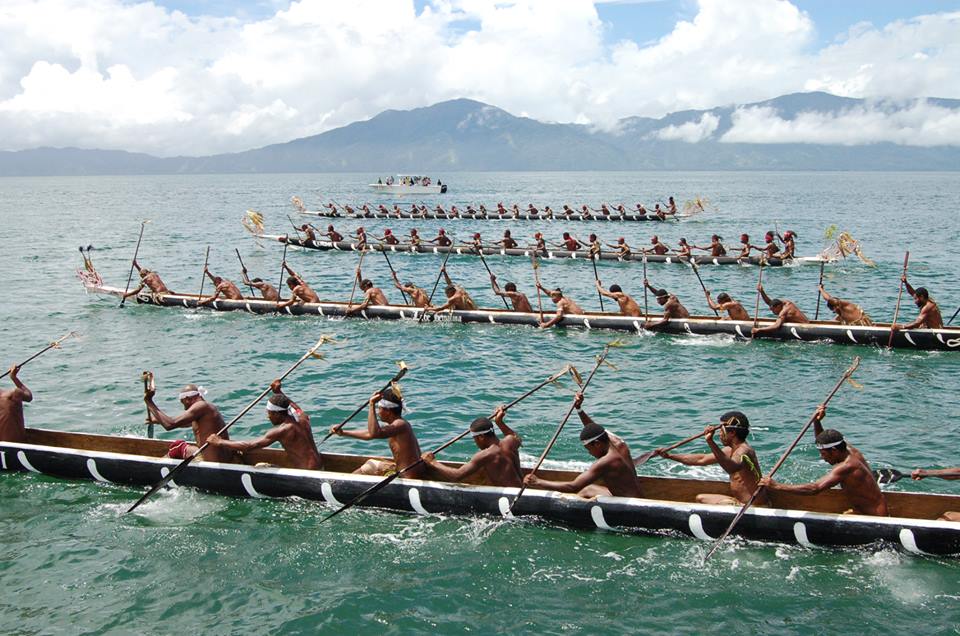
Two women are the first female canoe coordinators in the male dominated National Canoe and Drum Festival next week in Milne Bay Province, Papua New Guinea (PNG). Some of you may think this is “not a big deal” but it is. Nellie George ( left) is organizing five sailaus or traditional canoes from the South Duau area of Esa’ala District and Vicky Lodi will lead in organising bogama canoes from the Maramatana area of Alotau District.

1013927_319148981551001_81803423_n
Each canoe will have its own tribal and ancestry markings and other decorations carrying special meaning and luck.

Sacred Culture

This part of PNG culture is sacred to men. Canoes and drums are used mostly by males in the Melanesian societies. Although it is dominated by males, we do have some females using drums in other parts of the PNG.  From the start canoes especially are prepared by men. Men choose the tree, carve and design the canoe. The canoes can be used by the whole family when it is completed.

1010503_319148774884355_1410199366_n
Last year’s canoe racers.

Annual Event

The festival is an annual event that happens every first weekend of November in the sleepy seaside township of Alotau. This festival is the southern region’s major event of the year and showcases the coastal communities’ way of life particularly through traditional sailing canoes. Kundu (traditional drums) have been included in this year’s festival.

10660223_530331083766122_3949754002334049020_n
Men launch a brand new canoe.

To visit the festival and see other information, contact the PNG Office of Tourism and Culture.

Pacific Islanders draw a line on coal – and climate change


On October 14, I posted a story about 30 Pacific Climate Warriors heading to Newcastle, Australia on Friday October 17 to stage a blockade on Australia coal exporters. The warriors were joined by many Australians on the shores on Newcastle to protest.

3bf38034-d46f-47db-bb8c-7010c15ffc78-1020x680
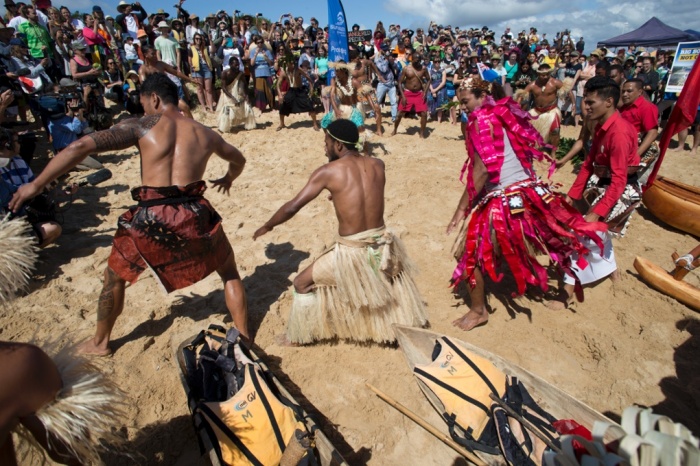
In a true Pacific Island spirit the warriors prepare to launch their vessels with traditional Polynesian war dances. Photograph: Mike Bowers/Guardian

Written and from the point of view of one of the protestors and fellow Papua New Guinean, Arianne Kassman, this is an update on what took place last Friday.  Arianne wrote this story for Reuters, Thurs, 23, Oct 2014.

20f024f9-61aa-4823-8499-89ec2017ba09-1020x612
Author Arianne Kassman. Photograph: Mike Bowers/Guardian

Over 700 islands, more than 800 languages and cultures and some 1500 bird species – Papua New Guinea’s diversity is without a doubt unique and the country is home to some of the world’s most beautiful flora and fauna.

Land is one of the most valuable assets in PNG. More than 90 percent of the land is customary land and owned by the people.

I was born and raised in the capital city of Papua New Guinea, Port Moresby. I was brought up in a strong Christian family and my traditions and my culture were also a part of my upbringing. I also learned the importance of different cultural obligations I had to my people and the land.

Today, all of this continues to be threatened by climate change. Rising sea levels, coastal flooding and king tides are all too common along the coast and for many of the islands.

This month, I travelled to Australia together with my 30 brothers and sisters from the Pacific to bring a message to Australia that decisions being made are having serious consequences on my home.

Even though it is one of our closest neighbours, Australia’s continued commitment to expanding the fossil fuel industry is destroying my home. Australia is the world’s second largest coal exporter – with plans to triple those exports in the coming years.

38bdc04b-9a64-476e-b3db-36feb24cc36c-1020x680
Protestors try to block the Rhine as police try to clear a path. Photograph: Mike Bowers/Guardian

It is also one of the world’s largest gas exporters, with plans underway to make Australia the largest exporter in the world. These are plans that are distant from me, but ones that are felt by me and my people.

For Pacific Island communities the connection to the land, and to the sea, is paramount. The land plays a central role in our culture. But now, as sea levels rise, storms increase, and droughts hit, we are losing that connection. The sea, which used to play a central, calming role, in our community has now become a force to be feared.

For the Cartaret Islands this loss couldn’t be felt more. Their entire connection to their land has been lost. And that is the fate being faced by communities all across the Pacific. Just recently king tides hit Tuvalu, Kiribati and the Marshall Islands.

When a king tide hits in those countries there is nowhere to go – the land is literally flooded. These are nations that have already been given a death sentence, told by scientists that within decades their entire land will be under water, that the only connection they will have to their land, and their culture, will be a passport.

This is what the fossil fuel industry is doing to us. Through their reckless plans to massively expand the mining of coal and gas they are trying to lock us into a future of disaster, one of rising sea levels, floods, storms and the destruction of livelihoods and places we call home. It is a future of destruction based on a shallow desire for greater profits.

This year, however, we have decided to no longer let this future be dictated for us. For years we have tried to negotiate with global leaders to halt emissions and stop climate change. But it has fallen on deaf ears.

604-1
Traditionally dressed representatives from South Pacific nations push their canoes into the water as they prepare to participate in a protest aimed at ships leaving the Newcastle coal port, located north of Sydney, on October 17, 2014. REUTERS/David Gray

That’s why I joined 30 Pacific Climate Warriors who travelled to Australia, leading a peaceful blockade of the Newcastle Coal Port on October 17. We are calling out the industry for their plans to drown our Islands. And we were joined by thousands of other Australians – those who joined us in Newcastle, or the others who led peaceful occupations of the headquarters of the fossil fuel industry in the week that followed.

We are refusing to drown; we are fighting for our islands, and for a safe climate for all of us. We’re creating a line not in the sand but in the port with traditional canoes that we have built, which no coal ships shall pass.

It is not too late. We can save the Pacific. We must save the Pacific and we must stand up, not only for the Pacific, but for all those around the world impacted by climate change. But to do so we need to stand up to the industry that is willfully destroying our home. We need to stop these destructive plans in their track.

I came to Australia not because I wanted to, but because I had to do whatever it takes to preserve my culture, my traditions, my home, the birth place of my heritage and my identity. I am proud to join the 30 Pacific Climate Warriors, and the hundreds of Australians who are standing up in support.

This is the action we need to take to save our islands. This is the action we need to take to keep our islands above water.

…………………………………………

(refer to link below for my previous post on the same subject)

Pacific Climate Warriors to blockade Australia coal export

Other pictures, video and story: The Guardian

http://www.theguardian.com/australia-news/gallery/2014/oct/17/pacific-climate-warriors-blockade-newcastle-coal-port-in-pictures

http://www.theguardian.com/australia-news/video/2014/oct/10/pacific-protesters-in-australia-to-block-newcastle-coal-exports-video

The 2014 Afrovibes Festival


Celebrating the end to Apartheid in South Africa 20 years on 

13 Oct to 8 Nov

The City of Birmingham, United Kingdom, welcomed the festival this week from October 21 to this Saturday, October 28.

This year’s festival bringing the very best of contemporary South African theatre, music, dance, film and culture to the UK
marks 20 years since the ending of apartheid and the building of the new South Africa. 

Afrovibes brings to UK, ten productions at 17 venues in 13 cities of England, Scotland & Wales. Afrovibes is a European focused  presentation of contemporary performing arts from South Africa. The festival scouts for and programmes topical African performing arts productions. These productions promote the exchange of knowledge and practice between European and African artists and theatre makers. 

History of Afrovibes

Since the festival began in 1999, Afrovibes has developed into a multidisciplinary arts festival which takes place in both the UK and the Netherlands. It connects arts and culture from South Africa with European audiences, bringing talented emerging and established African artists and their work to European venues.

Founded in the Netherlands, the festival is now a valued addition to arts provision in the UK, having been always supported by Arts Council England.

The first UK edition of Afrovibes (London, Birmingham, Manchester) took place in 2010. The second, much larger festival was in 2012, and was presented in Cardiff, Nottingham, Liverpool, Lancaster and Hereford as well as the three original cities. In 2014. Newcastle, Swansea, Bracknell, Edinburgh and Glasgow will now be added to the list.

Artistic Direction

The Artistic Director of the Afrovibes festival is the South African director / actor James Ngcobo, who has recently taken on the role of Artistic Director at the Market Theatre. Ngcobo is also an award-winning stage, television and film actor both in South Africa and internationally. He was previously Associate Director of The Market Theatre and Creative Director of Sibojama.

http://www.afrovibesuk.com/

A beauty from the highlands of PNG


2014-10-18-23-26-04_01Roe
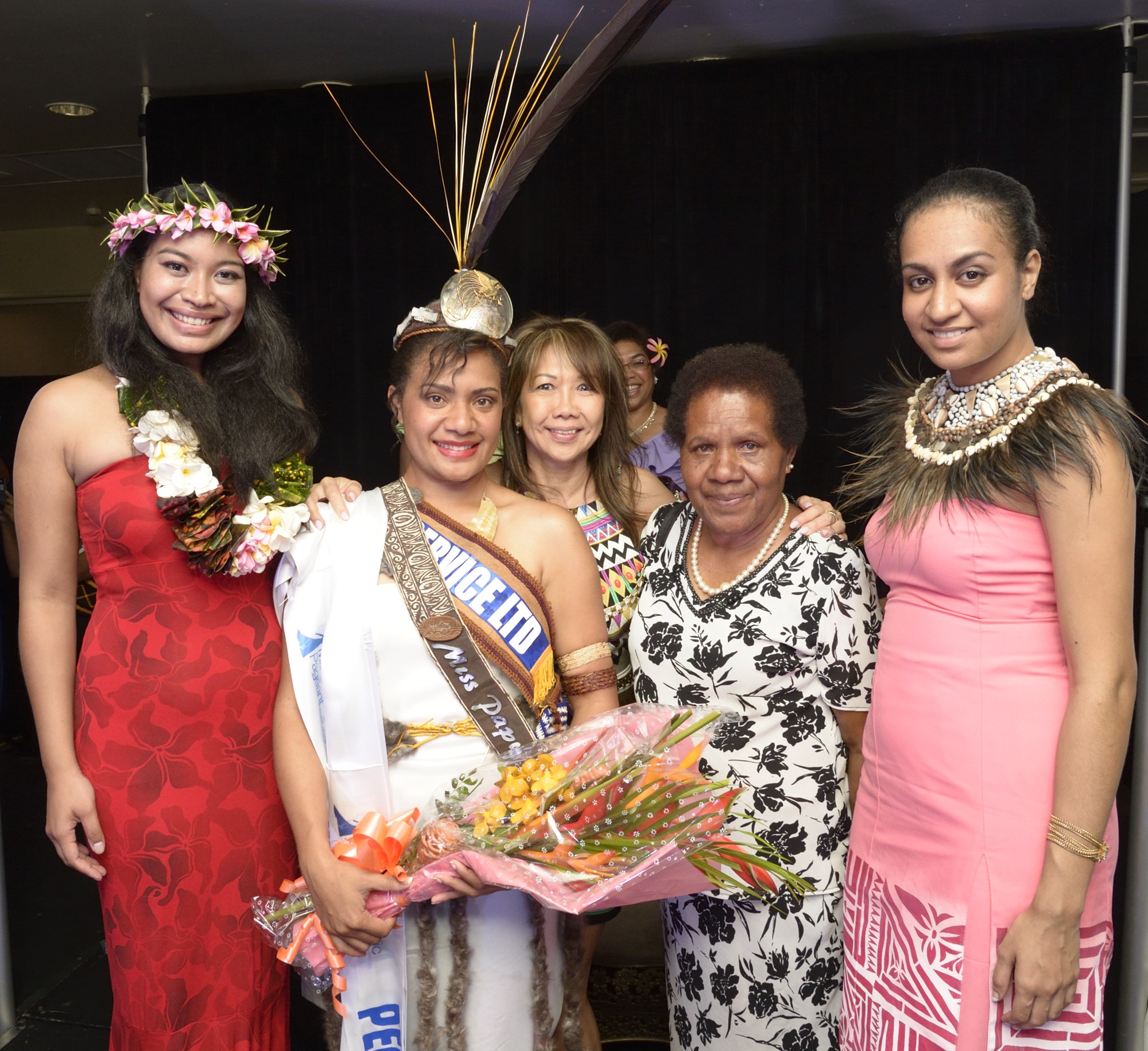
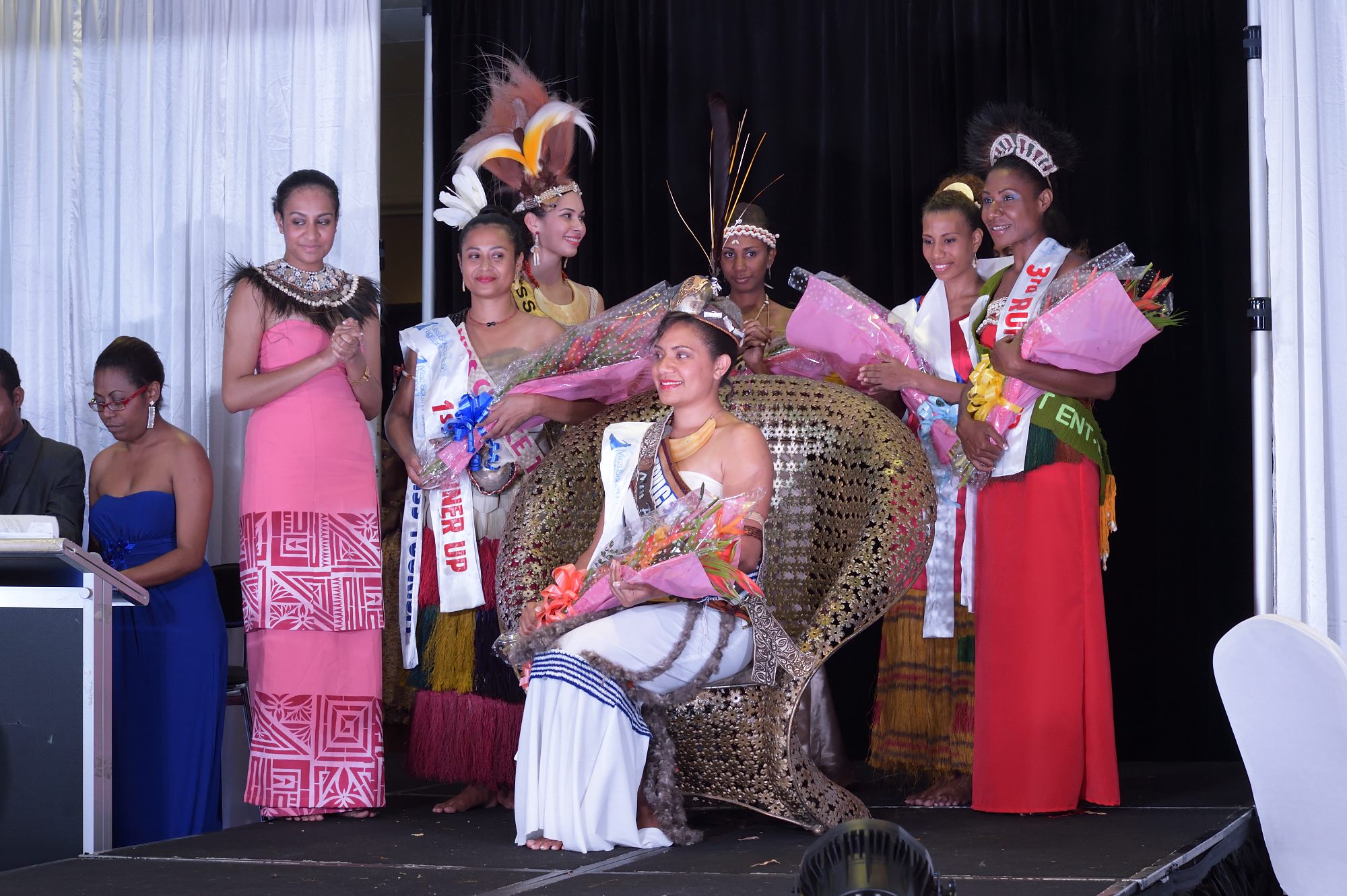
Grace Nugi pictured last Saturday with a bouquet is surrounded by two former Miss PNGs, Quest Committee member Kathy Johnston and her mother.

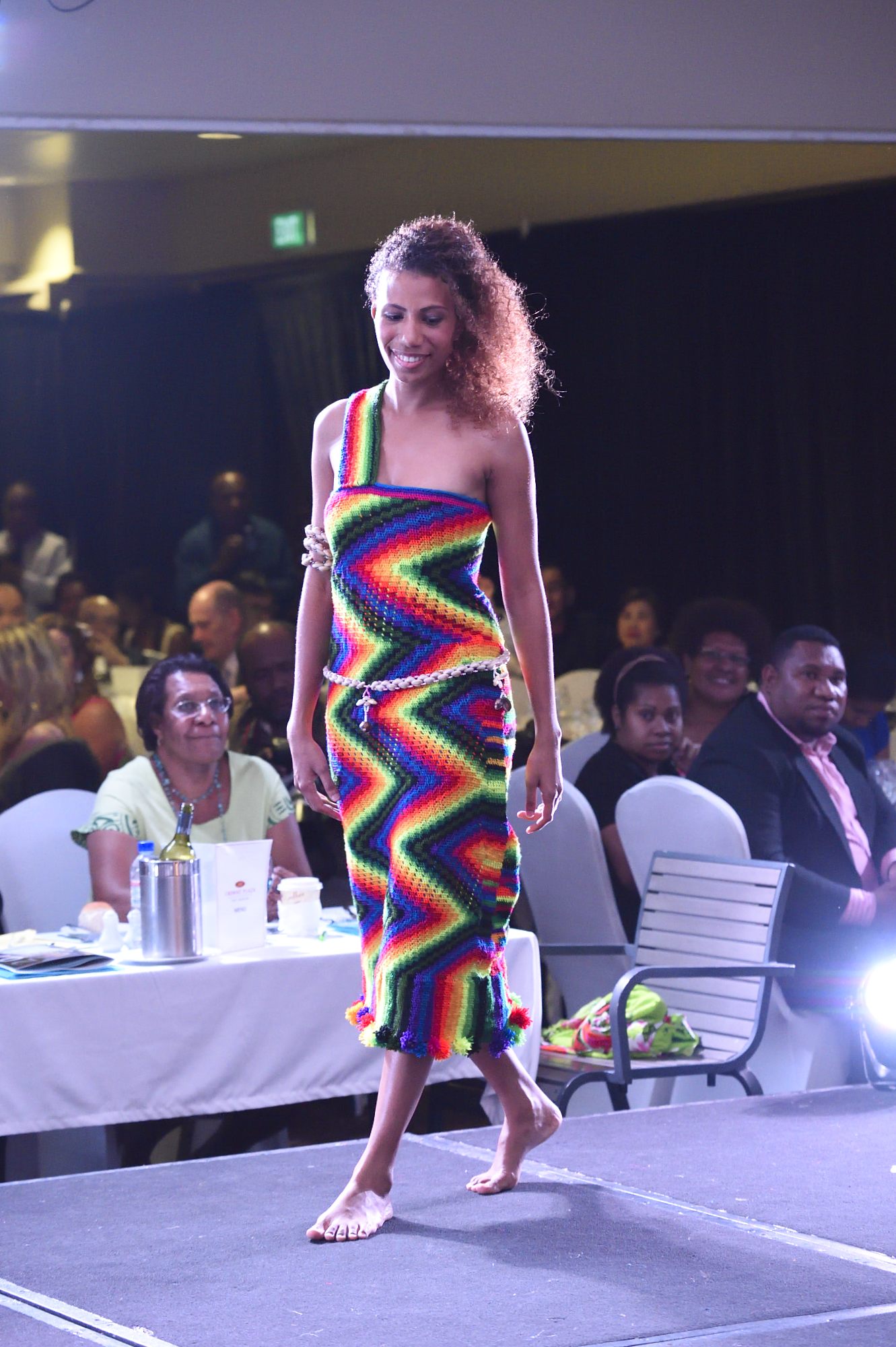
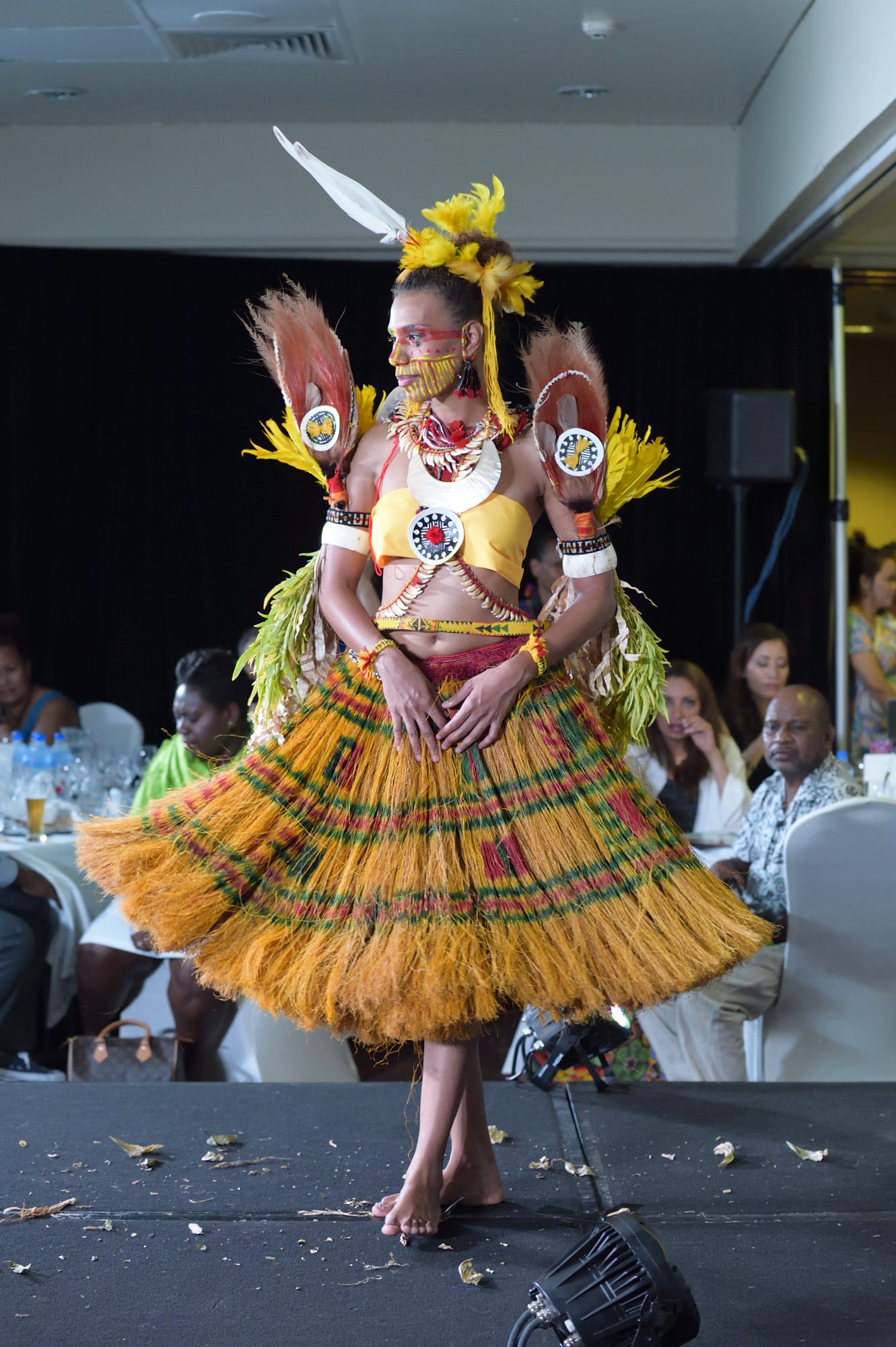
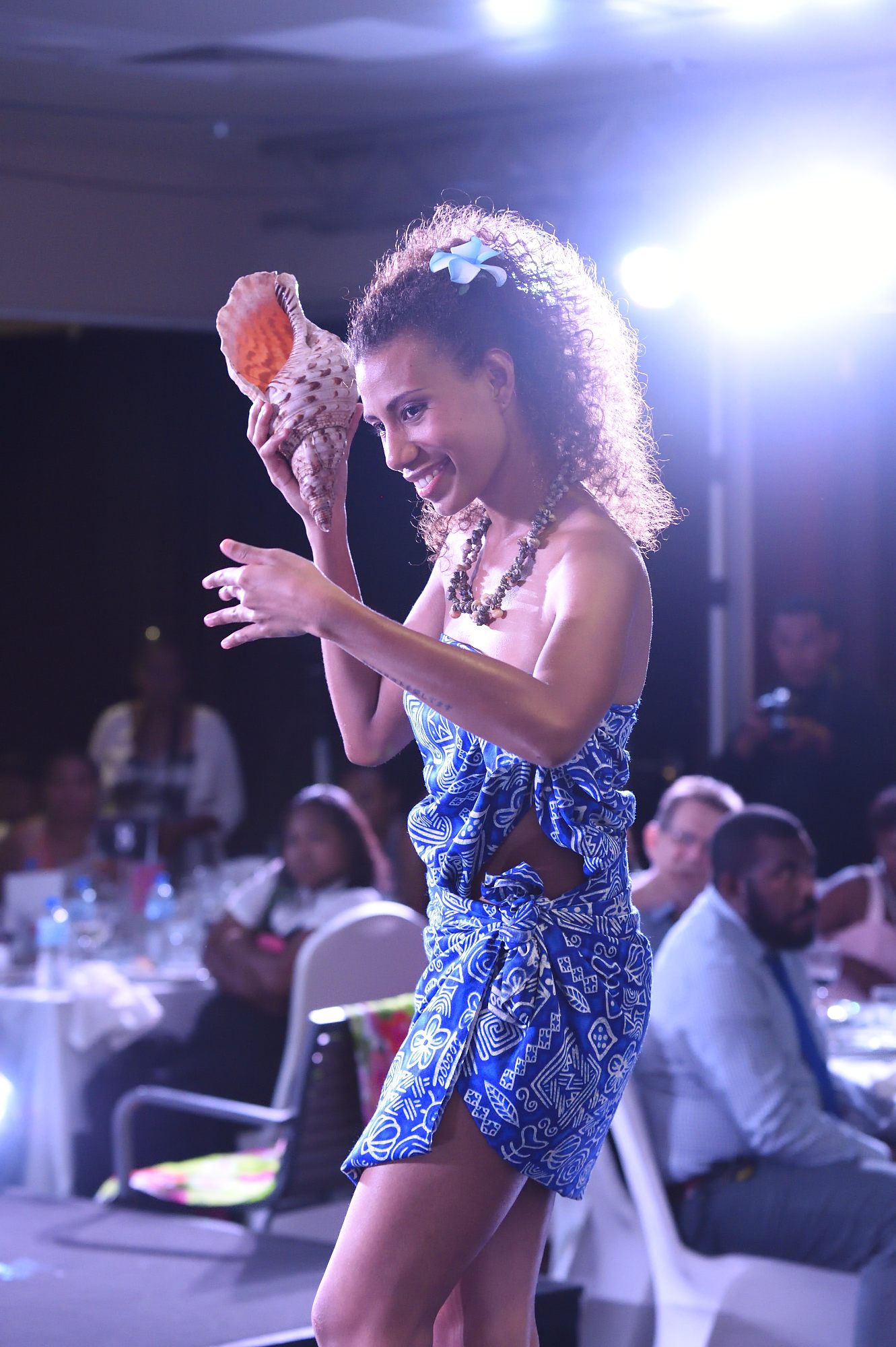
Grace Nugi was crowned Miss South Pacific-PNG 2014. The 24-year-old from the Papua New Guinea Simbu Province took out four other awards from her five competitors. Grace will represent Papua New Guinea in the Miss South Pacific Quest in Samoa later this year.

2014-10-18-21-37-20Roe     2014-10-18-20-36-30Roe

My Views

What I enjoy most from this beauty quest is, it is nothing like what you see or hear in the international arena. Coming from challenging personal backgrounds and a wider culture (PNG) where women’s freedom is threatened with continued violence and in many areas women and girls are regarded as lesser than their male counterparts. It takes a lot of courage for the contestants to be in public and learn to develop a sense of confidence. The quest teaches these young women – how to gain confidence and strive to be whoever they want to be. The quest opens doors for the young contestants to opportunities in education and career apart from the obvious tourism aspect.

2014-10-18-20-30-52Roe      2014-10-18-20-37-33Roe

2014-10-18-22-08-15Roe      2014-10-18-20-57-03Roe

Cultural Heritage and Cultural Preservation

The other thing I love about the quest is that it promotes our material culture, the intangible culture and it involves family and community. Through the promotion of both tangible and intangible culture we preserve our heritage.

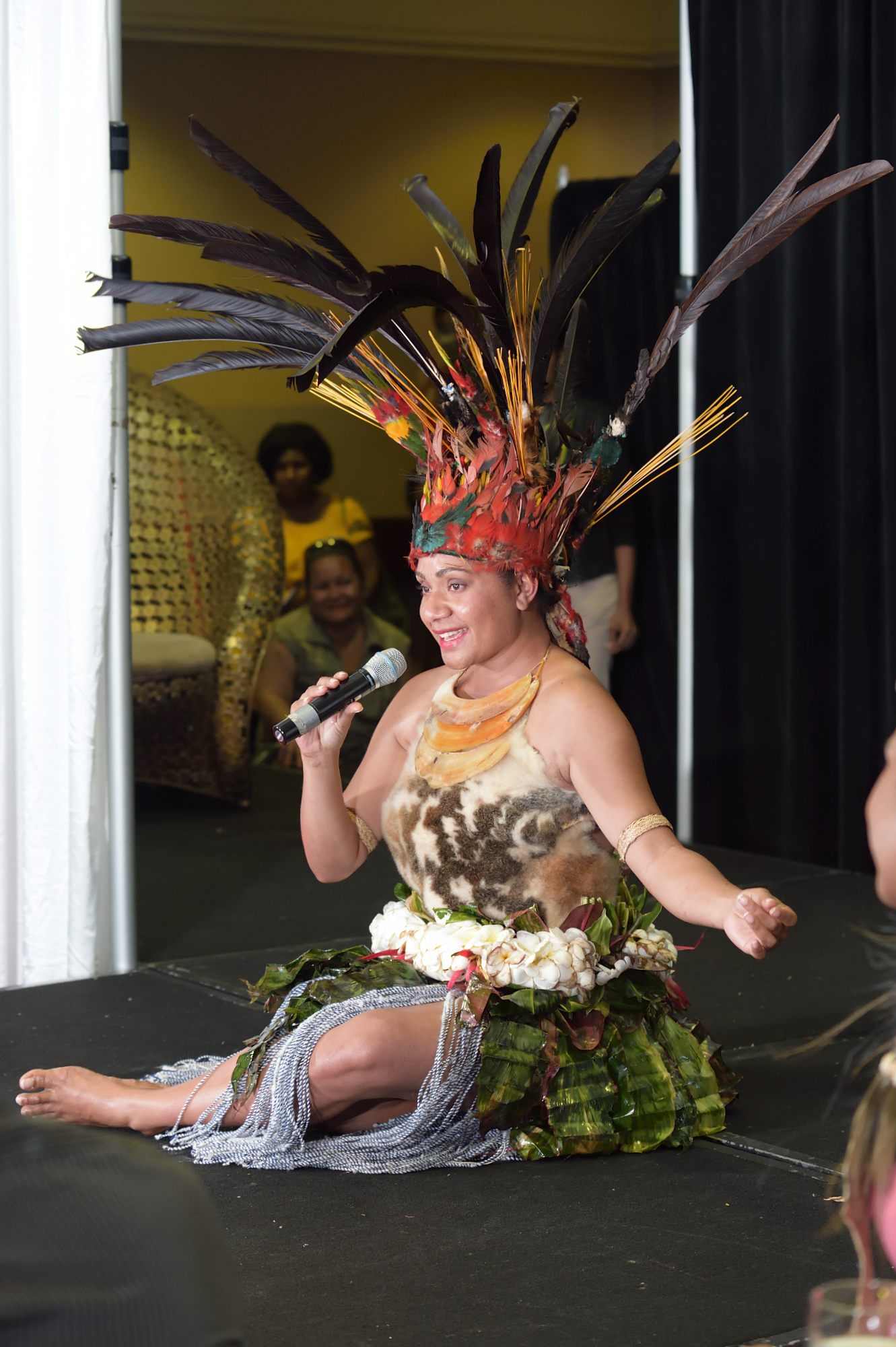
How does this happen? Each contestant wears (traditional and day wear) that is original and handmade. The dress could be made using tapa cloth or hand knitted string made fibre (hilum) from natural fibre, shells, bark etc. The headdress and body adornment would come from the province of their heritage and most likely made by family members. Each contestants have to perform a traditional dance from her own heritage. Bear in mind PNG has over 330 languages and 22 provinces with many tribal groups.

Finally, the money paid by their sponsors, is put to a good cause. It funds other young women to complete their education. The quest also assists the winners in international travel to the Miss South Pacific, and further develops the contestants while they are engaged in tourism to promote their country.

2014-10-18-21-59-45Roe-2     2014-10-18-20-34-58Roe

2014-10-18-20-32-18Roe     2014-10-18-21-41-06Roe

2014-10-18-21-06-08Roe     2014-10-18-21-32-55Roe

2014-10-18-23-08-56Roe


All pictures shown here are from Rocky Roe Photographics. http://www.rockyroephotographics.com

For more on Miss South Pacific (PNG) click on the click below:

https://www.facebook.com/misssouthpacificpng