Category Archives: Living

The Role Of An Extra


I was recently engaged in a role of an “extra”. The word itself pretty much sums up what it is.

There is nothing more or less. Although the dictionary meaning means more. Extras are non-speaking performers in a film, television show, stage, musical, and opera (Wiki).

In my recent role as an extra in a Hollywood film which I cannot discuss due to my commitment to the agency and the film itself – I had to do several scenes with my colleagues in a natural disaster movie. There were sixty of us. Forty men and twenty women of many ethnicities based here in Queensland. Each of us had a small role to play under an Assistant director, an Australian. He worked with an international Director. As extras we had different actions and some were accompanied by props. When all the parts were played, it was like magic. I enjoyed standing back and watch when I did not play my part. It was like watching a short preview.

The hours of work were very long and started at 5:30 am which meant you had to rise at least at 4 am. Initially I had an hour and a half drive so I rose at 3 am and took the drive. Although it was cold, we acted in our costumes as there were. Although given the frantic weather, the director tried to keep everyone out of the rain through out the day.

Most of the extras had already fitted our costumes days before and these clothing, some were our own, were chosen to fit into the place and the characters in the movie, the place where the natural disaster supposedly had hit. These were not the clothes of our current season.

To be an “extra” means you are not necessarily needed but you can be. It is an important role when you are in it but also an unimportant one. You know it is not important when you do not sit and eat under the same tent as the crew and also when you are trying to get your coffee and the supposedly ‘bosses’ (crew) look at you as if you don’t deserve to have coffee at all. One crew member mouthed to my friend (an extra) “I hope you are not getting 30 cups of coffee because I need to get an adult’s coffee”.

We thought she meant we(extras) were not adults. Who knows..

The important part is when you are called in as an actor in “background”  – your role is important. This can be anything. You could be carrying something and running. I was asked to run into the main character and then step around the person. With all the extras in a background scene, that part of a movie becomes quite vital to the film. It provides “meat” to the bone or it completes the whole creativity for a successful movie. I mean a star can be one in a movie but the star needs a place and many people and actions where that star rises out of the situation to recognition.

Extras are very useful in scenes like a stampede in a soccer grand final. A few extras cannot really provide that impact, you need a lot. Extras are needed in shopping centres, villages, schools etc.

We take “extras” for granted. Tell me: do you really watch an extra in a movie? You know that person that hovers around in the back somewhere in the movie scene. We do not even see extras in movies; our eyes are glued onto the main characters. Our minds are focused on what the main character does and we travel with him or her in the story to the end. We may get distracted if something happens with an extra that takes the focus away from the main character. Otherwise, extras are all a blur. Next time you watch a movie, see if you can pick out an extra and see the important role they are playing.


Laisa Taga


Image

If you had asked me if I knew the late Fijian Laisa Taga of the Island Business International I would say “yes”.

Although it may seem strange if I told you that I never met her in person. Last year Eva Arni, head of PR and marketing for Air Niugini, Papua New Guinea suggested that I contact  Laisa about writing some stories for the Paradise In-flight Magazine. When I wrote to Laisa some six months ago, she immediately wrote back with enthusiasm.

After discussing the general understanding of what types of articles to write and the expectations between a writer and an editor were established, we warmed to each other with bits of Fijian words thrown into the conversations. Not long after that, Laisa published my first article on the Kula Trade in the Paradise. I have posted a copy of that article in this blog. I was thrilled. Most of what I had written in the Kula story had been kept meaning Laisa must have liked what I had written. It was true she liked what I wrote because she hounded me after that first story for more.

I had promised Laisa two articles. One on weaving and the other on the Miss South Pacific Quest and the events that unfolded that crowning night.

When I told Laisa I was not feeling very well and would need to send her the articles later to go into the next edition, she accepted graciously and said she would wait. She told me “your health is very important” and I should take care of that first. Tonight as I read an email from Godfrey Scoullar – Publisher & Managing Director Laisa’s colleague, about Laisa’s passing and that she insisted she needed to work until she could work no more I could only cry. Not once did this woman show and make me feel in any way, that she herself was facing the greatest challenge of her life (cancer) which would in the end, take her life. My insides were ripped.

Isn’t it amazing how we take life for granted? And how precious is time?

I had only written to Laisa two weeks ago wondering if she had received my copies. It was unusual for her to take so long to reply. I had taken it for granted that I missed the deadline and I should just wait for her to write back.

And tonight, when I went over our email and how lazy I had become in paying so much attention to other things and not submitting these articles sooner, I feel absolutely hopeless and angry at myself. Jason from A Good Blog is Hard to Find (blog) once asked the question – could you really know someone virtually even though you might have never met them. My answer was “yes” and my answer tonight is “yes”, I do know Laisa. I am so grateful to have known her and especially in her last weeks. Laisa Taga had used her last precious time to continue her work with people like me – to bring stories for enjoyment to thousands of readers like you all over the world. I hope that I had given her something very small in return by what I had written for her editorials.

Farewell Laisa. The angels will rejoice at your glorious spirit that you have shared with us.

Below was the last I heard from her.


Joycelin

Bula vinaka.
Just checking on those two stories promised.

I am now working on the next issue of Paradise – collating pieces.

Vinaka
Laisa


http://pidp.org/archive/2000/March/03-08-17.htm


Islands Business International is touched and comforted by the outpouring of grief and sympathy on the passing of our Group Editor in Chief Laisa Taga who died peacefully surrounded by her close family members at her Suva home on Friday morning.
Quietly and determinedly, Laisa had been battling cancer for some time.

It was her wish she should continue to work until she could work no more.
Her family will announce funeral arrangements once they are finalised.
On behalf of Islands Business International, its staff, clients and its many friends in Fiji, in the Pacific and around the world, I wish to thank you most sincerely for the expressions of sympathy and sorrow on Laisa’s passing.
Laisa was a tower of strength, a hard working and knowledgeable editor with a measured temperament and great sense of humour.
As a regional media figure she was a quiet achiever who downplayed her achievements and never sought recognition.
She has left a vacuum that would be difficult to fill.
May Laisa rest in peace.

Godfrey Scoullar – Publisher & Managing Director
Islands Business International.


Short Story “Mango Ghosts”


The Mango Ghosts

Dead End


It was my sister’s birthday today. It was also April Fool’s day.

I celebrated Vagi’s birthday because she turned 34. And, I also celebrated her because she recently became a mum of a beautiful son (just over a year old) and Vagi has made one of the toughest decisions of her life. Only in the last week, she has decided to return home to Wagang, Lae, Papua New Guinea, after over 2.5 decades of living in the capital city, Port Moresby. My mother, brother and I celebrated her home-coming. My family on our land in Bowali, Wagang Village and me at the other end of the telephone in Brisbane Australia all talking and laughing and just being happy.

My sister Vagi had vouched never to go back to Lae again. Over the years we tried to pursued her to return. She would not. Last year, when she had her son, I asked if she would consider taking him home because my mother and brother could help her with her baby. So when Vagi finally made the move, we were ecstatic. My brother and I were so relieved and him being who is said, “it was all in God’s Plan.”

I was pleased because being in the big city has become so expensive. Port Moresby was also one of the scariest place to live in. Vagi’s partner was not always with her, him being part of a ship crew, Vagi would have to raise their son Ratu single-handed in a dangerous, expensive and stressful place. Everyone in the family were thrilled when we spoke after their arrival in Lae on Saturday.

Today, Vagi called. I answered my mobile in Brisbane and wished her a “Happy Birthday”. Vagi broke down and cried and I became afraid. I had no idea what had happened but I had to wait for her to finish crying to tell me her toddler was very ill and had been admitted to the hospital. I was shocked. I had only listened to the little man’s gurgles last night. I truly felt her despair.

Everyone in our family knows the status of health services in Angau and other PNG hospitals. They are mostly ‘dead ends’.

Angau, the public hospital in Lae has been deteriorating for so many years. Coupled with termites having been through the whole facility, the building and service has not been at its full capacity for a very long time for the second largest province in PNG. This issue of lack of proper health services and a good hospital has been a major set back for the people of Morobe Province, especially Lae City. I can imagined why my sister would be so upset. She did not have a lot of choices and it was daunting to go somewhere you think you could trust, but you really can’t.

Personally, I have watched in the emergency ward and other wards in Angau as many family and loved ones died due to no proper care nor basic equipment and medication. I am sure many others have gone through the same heart-breaking experience.

I was alarmed at my sister’s phone call. She assured me that they were in one of the private hospitals which was costing about $AUD300 per night. Not that my sister had such money, hence, the phone call. But even I did not have money to keep up with the such nightly expense.

The panic in Vagi’s voice said it all. It is the same panic many have when they go to Angau. Our people always made a joke that you need to make sure your health is in top shape because when you head to that hospital, you might as well be dead. Many people are afraid to be sick.

When my grandmother had her stroke a few years ago, we were told by private doctors that her lungs had already been flooded with fluid and there was nothing anyone could do. Everyone waited for her to die. After we could not get better assistance, we were directed to Angau and we spent a day waiting for a bed to become available. There was a tug-o-war over the bed between myself and the ambulance assistant that wanted to take the bed back to the private clinic. They were preparing to place my grandmother on the cold dirty and bloody concrete floor until a bed became available, who knew when.

I begged the assistance until they got sick of me and they left the bed with my grandma on it. Throughout the evening in the emergency ward, I helped to answer the phone calls which were going every second and every hand in that ward were busy. I was told by one of the staff that there were five female HEOs (Health Extension Officers), no doctors except one working across the whole hospital. As I watched, several people were admitted into the emergency ward and all were placed on the floor because there were no beds. It was a daunting experience.

And just for a background story, a few years before that, I had through Soroptimist Brisbane (South East QLD) organised 100 beds donated to be donated Angau Hospital. These were shipped from Brisbane to Lae through Lions Club. I was told these beds were used in the wards the hospital needed particular emergency beds which they could not afford. The hospital needed so much more in other areas such as skilled doctors and nurses, medicine and equipment.

I would really like to challenge the affluent, leaders and those in the know to please go to Angau and other public hospitals and take a look around. Spend a day in the emergency ward. I bet you may never want to be rushed into that emergency ward yourself. You would rather take a medivac (medical evacuation) to Cairns or Brisbane or even fly to Singapore for your emergency.


RIP Nisha


DSCN1430DSCN1353DSCN1342DSCN1274

Some of the sweet memories of Nisha.


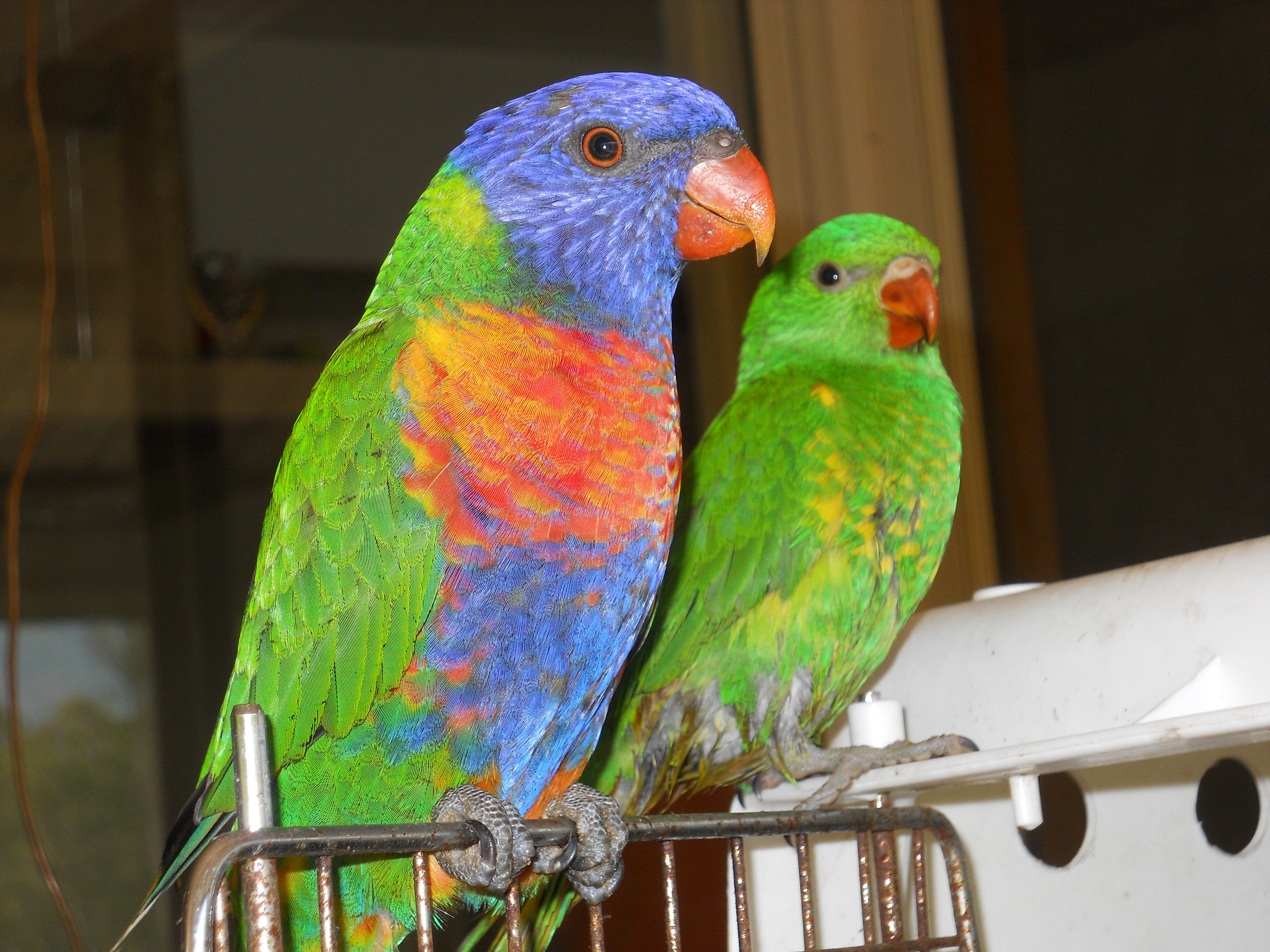
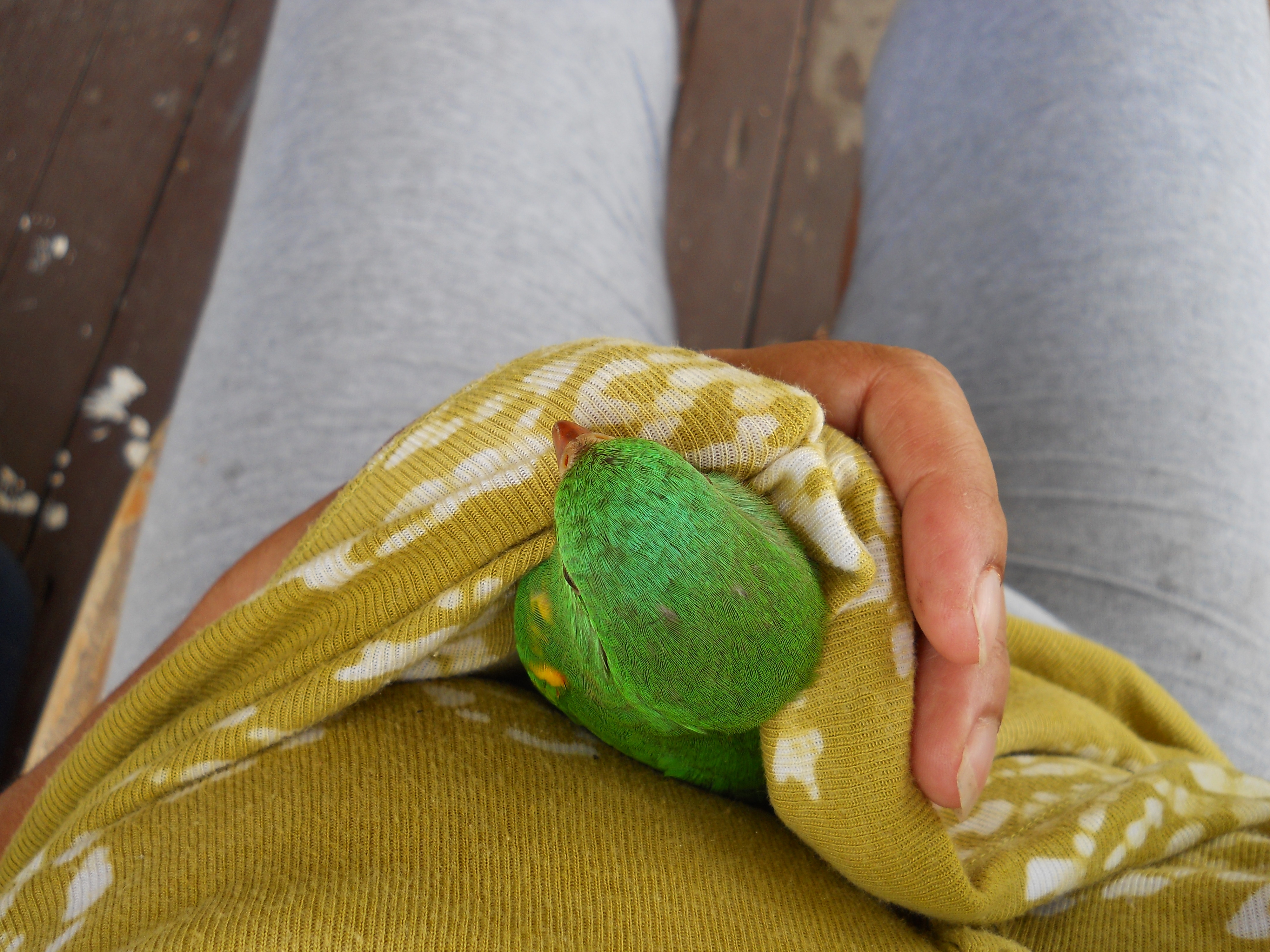
A few days ago on a beautiful Saturday morning, my son announced that Nisha our pet scale-breasted lorikeet had died. I had just woken up. I did not believe Nathan.

Nisha was a talkative little thing, just three-four inches tall and an inch and a half wide if you were to measure her.  Her body was tiny enough to fit through a thump and a pointer when you made a ring with your fingers. We often played this game where I would make a ring with these two fingers and she would climb though that ring.

Nisha loved to be held close. From the beginning when her parents would visit her on our veranda, she would snuggle up close after they deposit her meals.

My son Nathan(18) had found Nisha dead on the floor that morning. Nathan wrapped her and waited for me to wake.

“What happened?” was my initially reaction thinking that something killed her.  Immediately I was suspicious of our Rainbow lorikeet “Kaz” who was bigger and stronger and quite capable of harming Nisha.

“I don’t know” was only what Nathan could say. Nisha had died at night. Her tiny feathered body was too stiff. I examined her and saw some scratches but it was not easy to determine the cause of death.  She had some scab on her neck but I don’t think it was a tick. I could not tell.

I was deeply saddened and after re-wrapping Nisha, I held her for a while and then placed her in a quiet place for Nathan to bury her. I could not bury Nisha myself.

I took my coffee outside and sat on our back steps; a place where I always found comfort.  Here, I could look out to the bush. I could also see and hear the birds. It always reminded me of ‘home’, especially the bush I grew up in, in Papua New Guinea.

Nathan said before I woke up, Kaz, the other lorikeet apparently had became very vocal that morning and behaved wildly when Nathan picked up Nisha’s body from the floor. Kaz flew into the glass wall and may have hurt himself. Jaz then flew aimlessly across the living room a few times before he exited through the back door. He would be gone for two days straight as we found out.

The two lorikeets had become very close. But two weeks ago, Kaz had started flying properly and often would disappeared into the wild,  joining other lorikeets. At the same time, our pet duckling who had survived the snake attack last month, also flew away with the visiting flock. I wondered if Nisha died of heartbreak. Nisha had become very moody and often she would bite when we took her outside to play. Both lorikeets lived on-top of the cage – not IN the cage, so they could go anywhere any time.

The idea was that the birds had come from the wild. They had fallen out of their nests and we saved them so when they were strong and fit to return, they would go back to the wild.

For Nisha, we had hoped she would blossom and fly away. It was not to be. Nisha never grew her wings strong enough to fly, like Kaz. Nisha lost a lot of feathers. The new feathers did not grow. But all these last two months Nisha continued to be happy and talkative voice. She would walk across the living room to the music speakers and hang out. Often she would cross over to the edge of the fish tanks and watch the fish, while kicking all their food onto the floor. And she was always up for a cuddle.

Whatever happened to her that night, we will never know. Nathan burried Nisha next to the duckling in my pineapple.  Today, I was startled by the cry of a scale-breasted lorikeet right near my window at work. I looked at her. It was not Nisha. RIP Nisha.


The Duck War


Our two ducks

We often underestimate nature and vice versa. I have been brought up to respect nature and all living things.

Snake is one of the most hatred of all living things but I respect snakes. Associated with the devil and Satanic rituals, witchcraft and mysteries of the world, snakes can really scare people. By the same token, snake is also worshipped in cultures where it is believed to be wise and an alluring creature. A creature of good fortune.

I have grown to be interested and more aware of the snake since we moved to our new home outside Brisbane. On our 2.5 acres, there are several different snakes, that are natives to this beautiful land. These include the common carpet snake, the tree snakes and also the venomous Eastern Brown Snake which would kill you with its bite.

When you live amongst snakes and other wild animals, there are special unspoken laws about the places where they call “home” and the places where we call “home”. To some degree, you would like these rules to be respected by all parties concern. That is not to be the case as we found out last week. In my short story “The Duck War”, I re-lived the incident of Tuesday February 18, 2014.

The Duck War

As the sun yoke melted into the distant horizon, the cool breeze finally arrived. It was 6:30pm. We decided to get back into the warm house and order pizza. Too much fun and we were late to make dinner. My older son Nathan had left. His shift started at 5:30 pm. He was working at Pizza Capers so we get a 40% discount. Aunty Kos drove the three the children; her two daughters and my younger son Chris to Pizza Capers to pick up pizza.

I had settled our two pet ducklings into their nest of curled soft wood shavings atop an old baby towel. The nest was inside a large old plastic chest about 150 metres by 50 cm long and 60cm deep. It was secure and warm. The ducks immediately went to sleep. On top of the chest we were three holes smaller than the size of a tennis ball. We had left them opened for air circulation. At night before bed, I would place glass blades from an old fish tank to capture the warmth and keep snakes, rats and other animals out.

The ducklings both wild and rescued from our pool have been out on our veranda for a week. Initially, we raised them in our bath tub. They had been inside the house for the past six weeks. Their siblings died after the first week. Two from drowning and one from fever.

I heard Kos’s Hyundai family car return up the driveway and parked outside. Inside, we ate what they bought back, the delicious pizzas. Everyone fought over their favourites and over ate. The last cuts of pizzas and crusts with teeth marks were left on the table in black cardboard pizza boxes.

Satisfied, the children settled in our comfy brown suede lounge and soon were engrossed in their teenage gibberish. I remained at the dining table with Kos. Our table, a large twin slab of gold hoop pine were interlocked in the centre by two sets of Japanese bow. The bows were made from ebony pieces.

I felt a touch on my feet.  I shivered but it was only a slight caress from the evening breeze that slit between the two sliding glass doors.

Kos and I talked about life.

“Knock! knock!”. My older son Nathan interrupted our conversation. He had returned from his shift. It was 9 pm.

Nathan joined his brother and the girls near the couch, three metres away from Kos and I. As the evening wore on I looked at the duck chest and thought about shutting the holes. It was cooling down quickly.

Two minutes later, just past 9pm a movement caught my left eye. I starred through the sliding glass door to the duck chest on our veranda. To my horror I saw a medium sized orange, white and black carpet snake easing itself into one of the airholes in the duck chest. At the speed the snake poured into the chest, I was not sure how big nor long it was. In a second I heard one of the ducklings cry. It was a gentle cry of gasping for air, terror and surrender. The other duckling’s cry was high and alarming.

“Snake!” I screamed.

“Nathan!, Chris! Snake! I called again and ran.

I threw the glass doors open and grabbed the house broom. I beat the middle of the snake with both hands using the broom. The broom handle smashed into the snake’s middle, making a thudding meaty sound. The broom broke. The disappeared into the chest, middle, tail and all.

My son Nathan ran to the chest and tried to open it.

“No!” Don’t open it!”

He stopped.

“Push the chest downstairs!” I screamed at him.

Nathan tried to tip the chest onto the veranda.

“No! Push the chest down the steps. That will give us time to get the duck”.

The chest was very heavy.

Together, Nathan and I pushed the chest down the length of the veranda to the top of the stairs. We edged it and its weight took the chest down 14 steps and hit the ground. It did not tip over.

We heard a duck cry.

We ran down the steps and tried to tip the chest and it fell on its door. Everything was upside down. The door did not open.

“Wrong side!” Nathan screamed.

We both lunged at the chest again. The duck was frantic.

Finally, we forced the chest on its side flipping open and the duck ran to me. She was wet. I picked her up and wrapped her in a towel and ran upstairs. I gave her to my son Chris. I ran back downstairs to Nathan. Nathan tried to move closer and pull the snake off the other duck.

“Don’t touch the snake when it is trying to eat. It will attack you!” I yelled.

I got the broken broom and threw it at the snake. I got another stick and tried to hit the snake off the duck. By now, the snake had tightened its grip; completely constricted the duck’s little body. Her pretty little eyes stared emptily from her little head above a tight coil of python muscle. I stepped back. I was angry. I wanted to get the duck. My friend, her daughters and my sons told me, there was nothing I could, the duck was dead.

I started to yell angrily and cursed the snake. I started to cry in frustration. My son Nathan hugged and told me, the duckling was dead and that was the way it was. I mumbled about all the right things I should have done. I cried. I felt guilt and mortified.

“I should have simply putting the glass over the holes in the duck chest”, I sobbed.

I was so angry and walked tearfully back to where the duck and the snake were in a a crumpled heap amongst the nesting and the sticks we threw at the snake. At this point, I decided, I would not let the snake eat the duck.

I ran upstairs and grabbed the kitchen stove lighter. I ran out the back of the house and headed for the pile of dried rubbish. I lit a dry black palm leaf. I knew it would hold flame for a while. I took the lit palm leaf to the snake and kept poking it angrily so that it would leave the duck. After a good 20 minutes, the snake uncoiled itself from the duck. It only moved half a feet and stopped. It held its long body and small round head up to the flames.

I was mad. I was crying. I kept pushing the snake with the burning palm leaf. My sons yelled that they would kill it but I said “No, “let it go”.

By now, the fire grew stronger on the new green lawn, burning the dried debris. The snake started moving. It slithered towards the bush. I ran to the dead duck grabbed its slimy wet mangled body and cried as I held it to my chest. I wrapped her in Christopher’s baby towel we had used in the duck’s nest. I placed the wrapped duck safely in the bin for burial the next day and went back to chase the snake. With our fire lit palm leaves Nathan and I chased the snake into the nearby bush.

When the snake had finally gone, I came back to the plastic chest and hit it with anger and cried for my duck. I thought of how she nestled in my lap just three hours earlier. I was heart-broken. The girls were in tears and their mother, my friend Kos came and hugged me and we climbed back into the house.

We sat down and everyone started talking about the incident. We were all shaken.

“I did not want it to eat the duck”, I said.

“It killed her but it will not have her”.

“I know! The snake pissed the wrong woman off” my friend Kos said.

“Mum! Mum! The snake is back! I heard my son Nathan call from his room about 15 minutes later. His bedroom overlooks the bush.

Nathan and I ran back downstairs and the snake slithered aggressively towards the house.

My son Chris ran down to us.

“Shall we kill it mum?! Chris asked me.

I said – chase it away. Light the fire!”

I tried to light the fire, but the snake made a B-line for the house. It came towards the steps fast- ignoring the fire. Nathan used the swimming pool pole and flipped it off to the side of the lawn.

The snake turned and came back again.

“He won’t give up”.  Nathan said.

“I know!” I said.  It knows we have two ducks. It will stop at nothing.

“Kill it!” I said.

In Hot Water


In Hot Water

(By JLeahy 11.2.2014)

I caked my face. Covering it with a pale brownish mud mask, I worked my way from the top down. Soaking my hands in water to glide the muddy consistency, I spread the mask thickly down my chin and neck, avoiding my eyes and nostrils and lips.

The mud mixture, an old New Zealand-made Nutrimetics face mask, felt cool and soothing. It stank like a familiar dried river bank. The smell did not bother me. Each second the mud started drying, it cracked visible veins across my nose, cheeks, brow and neck. The cracked mud also stretched my face in all directions like something out of Sci Fi. The mask felt dry and prickly.

I glanced into the mirror. In place of my reflection was an aged stranger. I had thought of this person in my head many times. Now, I was slowly bringing her to life. It was a very cold July evening, 1981 in the Eastern Highlands Province, Papua New Guinea. I was in Year Eleven.

Here in this dormitory in the cold weather, it was rare to have a luxury of warm shower. For almost six months I washed in freezing water every morning and night.

Usually I would see steam escaping and feel the heat as I queued into the shower. When I got in, only cold water would run down. At this same time, I would hear other girls next door cursing and I knew the hot water has run out again!

Tonight I did not feel 100 percent. I desperately needed a hot shower. I did not go to study period and once the bell went, I rose from my single metal bed and got into the shower. I had enjoyed every drop of my warm shower before I started applying the cake on my face. It has been almost two hours since I got out of the shower.

I starred at the stranger and smiled knowingly at what was about to happen.

The temperature dropped sharply. The timing was perfect for the person in the mirror to emerge. I added some mud to her lips and cracked it when I smiled. I had planned to make this person reflected in the mirror; look dead but alive. I had only a few minutes left to complete her make-up.

I rinsed my muddy hand and gently nudged out a piece of soft gold and silver foil from my right pocket.  It was the inside of the Benson and Hedges cigarette packaging. I found this gem outside the Biology classroom this afternoon, rinsed it and pocketed it. What a fine finish this “metal leaf” would add to the mirrored person’s make-up, I thought. I quickly moulded the silver side of the foil onto my teeth with the gold side was showing.

I checked myself in the mirror. I grinned. I looked like the giant Jaws in James Bond films. I looked strange but not nasty!

Jaws got the name from his steel teeth that are able to bite through different kinds of materials. The character was played by actor Richard Kiel. I thought even though I now looked ugly like Jaws, my teeth were too neat. That wasn’t what I had wanted. I needed something more sinister.

I reached for my black eyebrow pencil. I coloured over the foil on three random teeth and blackened them. In the evening light, the blackened teeth disappeared. The stranger in the mirror started to look like an old witch with a few teeth.

With the same pencil, I dabbed firmly under my eyes and smudged dark grey shadows, like bags. These smudges gave my light brown skin a dull and decayed look. Then with the Johnson Baby Powder, I quickly dropped a splash of talcum on my hair to add at least 50 years to my age. With the pencil again, I finished off with some lines down my cheeks to the corners of my lips. I drew in a pair of crow’s feet on the edges of my eyes. I made a weird frown and traced where the rest of the wrinkles went. I pulled my hair back in a tight knot. This enhanced the severity in my expression.

I looked at the clock feeling its hurry in the ticking. It was almost 9pm and the study. The period would end in seconds. I felt the temperature plummeting and knew ice has formed on the hilltops. At any moment, the Year Eleven girls at Aiyura National High School would rush out of their classrooms and thunder down the hills. The rush was to get into the showers first, enjoy and linger under the hot showers.

The bell was going to go in any second I thought to myself.

I reached up to grab my thick knitted black cotton cloth I bought in a Lae second –hand shop. The bell went. I wrapped myself. Then quickly I slipped out of my 2 x 3 metre cubicle I shared in the Year Eleven Girls’ dormitory and headed for its shower block. Carefully I placed my steps on the wet floor so I would not slip or make a noise. The shower block  was about 8 metres from my room.

Energised by my hot shower earlier, I was refreshed and ready. I positioned myself at the edge of the laundry, facing the doorway to the shower block. Through the dark laundry door, a gust of wind hit me with a stench from the sewerage. I hugged my black cloak completely around me and ignored the smell. The only visible part of me was my face. The face was also the stranger, I had created minutes ago.

As I waited, my mind counted events of the last three hours. I had told the duty teacher I was sick and stayed in my room. I enjoyed a quiet meal of bully (canned meat) and Morobe biscuit and had the best, hottest and longest shower ever. This had been the only hot shower I had since I left my hot, humid city of Lae. I was not cut out for boarding school and the cold in Kainantu was miserable. Aiyura in the hills of Kainantu was one of the coldest places in PNG. In the past six months, the cold showers were unbearable. November was the warmest with an average temperature of 23.9 °C at noon. July was the coldest with an average temperature of 10.2 °C at night.  Aiyura had no distinct temperature seasons; the temperature was relatively constant during the year. However, the temperatures dropped sharply at night, just like tonight.

Suddenly my thoughts were cut with the sharp noise of running feet. The stomping got louder with giggles and shouting as they got nearer. The sound intensified. It vibrated like a herd of elephants approaching a waterhole. The Year Eleven girls hit the garden beds and raced down the hillside. They burst through the dormitory doors. I heard books and bags thrown recklessly on the floor and beds. Towels were yanked off wall nails and curtain rails. The girls raced, pushing one in front of the other to fit through the doors.

We all knew too well, the hot water did not run for long. Only the first girls to get in got warm shower.

I moved into position. I only needed one person to see me and at this thought I grinned.

At that same moment I heard a shocking gasp so close to me and caught a glimpse of a girl named Thecla. Her face dropped in a horrific expression as she reversed from the doorway.

Thecla had sneaked in first and had surprised me and herself. Turning in horror, Thecla started screaming and running down the hallway to the exit door: Tewel! Tewel! Tewel! (Devil! Devil! Devil!) “Devil! Devil!, Mi lukim tewel. I saw the devil!” she screamed again as she ran up the hill.

As Thecla rushed out and crashed into other girls behind her, her fear rippled through their emotions. These girls turned and ran out screaming the same thing in a chant. “Devil devil, we saw the devil.

I knew at that point, apart from Thecla, only two other girls may have seen me. Not all.  But, I heard a lot of screaming and running.

The shower, laundry as well as the dorm emptied in just a few minutes. The noise shifted outside rapidly. I eased the “stranger” back into my cubicle, wiped off the make up and cleaned my face with a wet towel. I covered myself into a sleeping position. The “stranger” was gone.

From my warm bed I listened to more screaming and confusion outside. If only I could have had some champagne through a drip to celebrate, I thought. But I had not drunk alcohol yet so I imagined the taste of champagne. I wanted to laugh out loud. I could not. I smiled and closed my eyes with satisfaction.

By now the boys ran down from their dormitories to help. The duty teacher and deputy principal, Graham Darby came with all the prefects to investigate. The screaming of “devil” went to “prowler” “rascals” and other things. There was even a claim that the residential ghost, a young lady who died in the dormitory years ago had returned. I could hear people surrounding our dorms. Torches were flashing across our curtains.  There were footsteps walking and running with urgency through the thick grass. The search continued for another half hour. Others searched in our agriculture class rhubarb garden and in the stinky drain.

“Let’s go! There is nothing”, I heard a male voice with finality. Nothing had been found and everyone were tired and longed for the warmth of the dormitories. It was freezing outside. Some girls were too afraid to shower that night. Everyone went to bed. I looked outside and once again, the chill and the blackness of the night engulfed the remains of the day and the shape and colour of everything.

Days went by and school returned to normal. Everyone in our dorm was cautious of the shower block and ironically many of the regular hot shower “queens” became considerate of others.

One night as we sat together to a meal, my friends started discussing the ‘Devil in the Shower Block” incident. They all agreed that it was a hoax. I was very quiet. Someone had asked me where I was the night the incident happened. This question brought up other prodding questions about my whereabouts on the night of the ‘crime’.

Soon my friends agreed that and if anyone could pull off such a hoax and bring the school to its knees, it would have been me. I denied the accusation. My friends were not convinced that I was too sick to do anything. The fact that I had been alone in the dorm that night did not save me. A few days later, they got the whole story out of me. I told my friends the truth to so much laughter and each of us joining in to re-enact of the events of the night. Because our rooms were only divided by cloth, other Year Eleven girls heard the story and reported me. Next day, the deputy Principal Mr Darby called me into his office. I had never been called into the deputy or the principal’s office before and prepared myself for the worst.

Darby asked why such a student like me could do something like that. The thought of finally tarnishing my record made me want to smile but underneath, I could picture my mother’s face.

“I just wanted to have a hot shower”, I told Mr Darby the truth. I looked at his face. His blue steel eyes held mine and I knew my reason sounded ridiculous.

Mr Darby reprimanded me and recalled the story of “The Boy Who Called Wolf”.

The significance of this story to my hoax was because in our school, Aiyura, the students and staff members often got attacked by nearby villagers. That night when the Grade Eleven Girls were screaming, Mr Darby had thought we were being attacked.

“I understand that story and I am sorry about my actions”, I said to Darby.

I looked at Mr Darby, expecting him to expel me from school.

Darby sat there looking back at me for a long time – then; he laughed out loud and asked me to not ever do something like that again.

Water – just a simple pleasure or life giver?


Many of you use hot water to shower in the modern homes. Water in households here in Brisbane for example is wasted everyday.

When I was growing up in my village Wagang outside Lae, Papua New Guinea, there was no such thing as a hot water system. Water in general was precious although we had rivers of it. The sky opened up almost everyday to pour it down in thunderstorm rains.

Our village had several rivers running through it at many points. It was no wonder my ancestors decided to settle here in this precious coastline. We washed in the rivers and creeks. Communities gathered in the morning and mostly in the evenings to bath, wash children, dirty clothes and cooking pots and pans. Men would wash upper river and women and children down river. I never got the meaning of who was dirtier than who in this instance. I also did not understand why the men would wash upstream and cups and plates and pots and pans were washed downstream. My mother always boiled water to rinse everything down. I was bounded by my cultural laws so I never questioned these arrangements of washing upstream and downstream.

Everything went into that river, from clothes, pots and pans and new born Christians at baptism would be thrown roughly in to be cleansed of their old self.

We had a separate creek or stream we would fetch for drinking and cooking with. We also fish and collected shells and other edible creatures and plants to eat and cook with from that same river. So general bathing was all cold water.

When I fell ill, my mother would boil a large saucepan of hot water with a plant we called ‘ma-le’ for cure. Ma le is a type of lily with a distinct smell and medicinal function. Sometimes we used basil. This special hot water felt good and smelt great and I remember always feeling better as soon as I emerged from it. Mother also said that the smell took away bad smell that attracted spirits and other things.

The luxury of hot water system only came when I went to friends’ house in towns after having gone to high school.

To me if water was such a treasured part of living and it gave life to so much more, we were always careful not to waste it. This means that hot water was gold. It is used for sickness and relaxation. It cleans sough dirt and so on. I always felt guilty if I stayed in a hot shower for too long and this guilt stayed with me for a long while.

It was just the same as the guilt for walking miles up the road to the drinking place at Wambasing Creek with plastic bottle containers to fill and then spilling them or breaking the bottles on the way back home to the village.

I have always respected the value of water and the life it brings to us. I ask this question many times. Imagine this – what if we run out or do not have water? I let you ponder that one while I want to share with you a story about hot water. For those of us that have been spoilt by the luxury of having hot showers, we can often forget how long we are standing in that shower. It feels so good right?

I hope you enjoy “In Hot Water”.

Mine Affected Get Control of Assets


IMG_1936IMG_2029-1IMG_1918IMG_1933IMG_2021

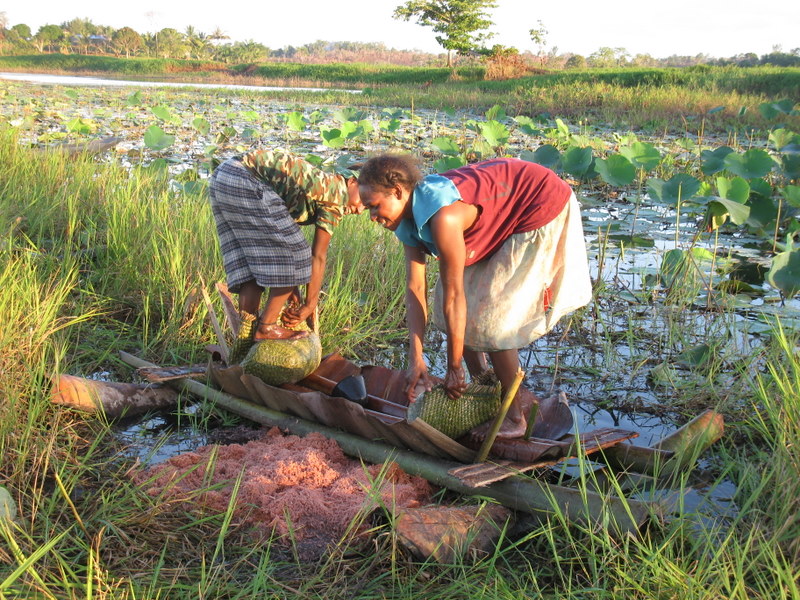
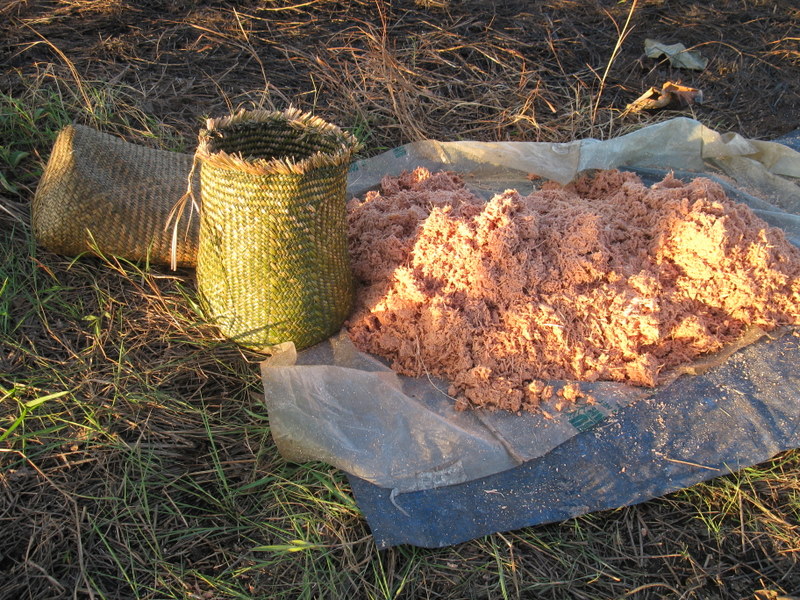
Like many indigenous people, we in PNG are totally dependent on our land and our environment. In the picture on the top left, the women make sago. Most of their livelihood including fishing and other staple food such as sago is dependent on their rivers.  On the right (above) I sit with women leaders who gathered at Puka Duka Village to discuss the craft and capacity building workshop I run.

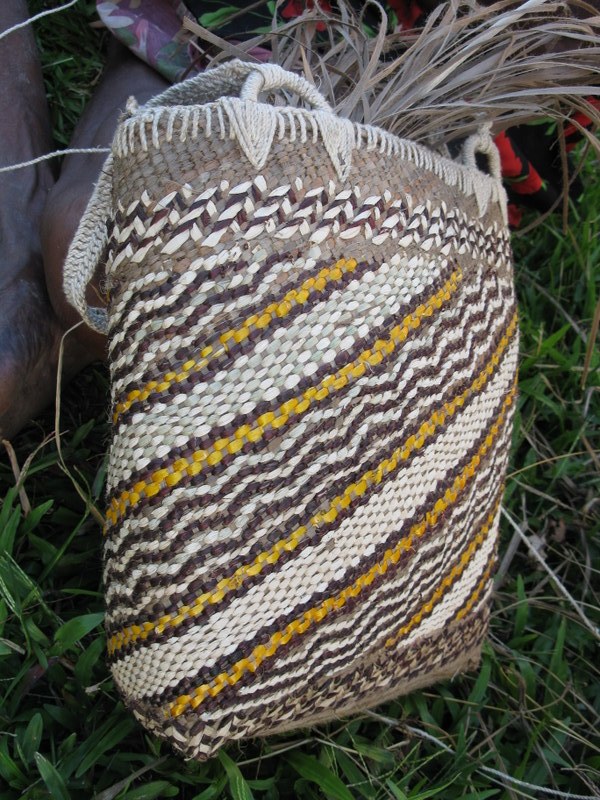
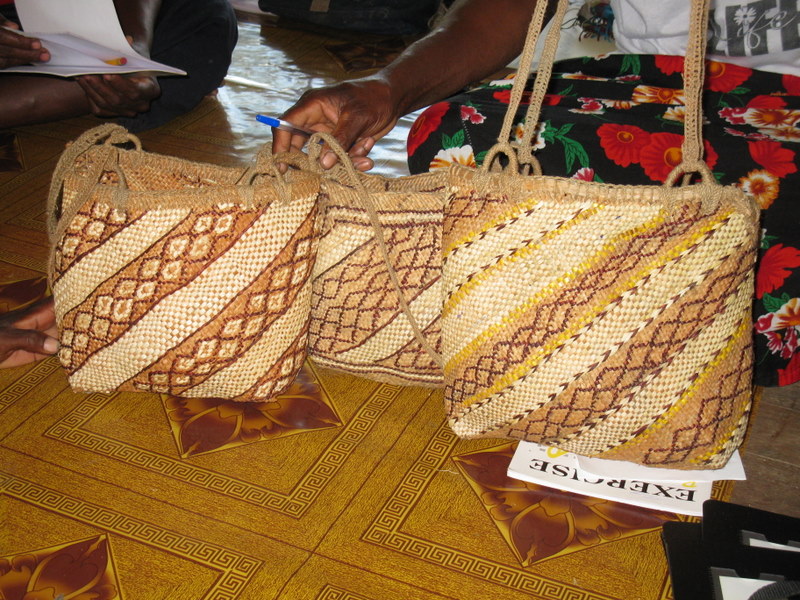
I wanted to re-blog this post (below) on PNG Mine Watch because I work with women in the mine affected areas in Western Province. Much of these mine affected areas have been in the news in Papua New Guinea lately. Earlier in this blog, I posted personal stories about women and violence. Some of the women I have worked with in these areas were in those stories. Under the project I am working with, there are a total of 64 villages. These women are very hard workers and they are also producers of some of the most beautiful and intricate arts and crafts in Papua New Guinea.

The project I work in is part of the Mine Closure and mine affected projects run by Ok Tedi Development Fund and PNG Sustainable Development with a contribution from the Women’s Association. The story below shows the “big picture” of what we are dealing with right now in these areas – the mine affected areas. I have watched the news keenly with a heavy heart that there are some good things happening in the affected areas and they should continue.

My role here was to research and find crafts (conducting cultural mapping) and run workshops to develop these crafts with the women craft makers so that the crafts are suitable for the export market. This job is not easy. Most of the creators of the crafts are traditional craft makers and they randomly produce items such as baskets, mats and other small crafts they use themselves. Sometimes they make some for the markets. However, markets being so far away, like a day to two days trip in the dinghy or half a day in a small aircraft. They women in the mine affected areas have very little access to – EVERYTHING!

By setting up goals and small steps we could take, I take the participants through a training where we set up a network to produce the crafts, plant raw materials, teach intangible skills (such as weaving) to younger generation and record and keep techniques that may die as part of a sustainable approach. One of the things I discovered was that many traditional raw materials were destroyed by the tailings but the women have moved seedlings and planted in new locations. We also looked for and brought back many traditional pigments which are no longer used. Instead, Western and Chinese dyes have been used to colour some of their baskets. After our last workshop in Eniyawa Village, South Fly, I can proudly say that some of the women are finding, using the old dyes and also re-planting them for the future. Once we sort out the materials, production and the preservation part; we then develop the product itself for the world market.

The recent concerns have been that many projects such as craft development may be stopped as a result of the dispute between all parties concerned – Landowners, Government of PNG, Ok Tedi, PNG Sustainable Development, and Mine Affacted Communities.

It is bad enough being far from all basic services but when the environment is also destroyed, your food, your water, your livelihood and even your art is destroyed. You become dependent on outside help.

Recent developments and court actions against the OK Tedi Mine and the PNG Sustainable Development has brought a lot into light about the people that live in these places. Now we can talk about the people, not just nameless, faceless humans whose livelihoods have been destroyed by the tailings. Here is the ABC Radio interview posted earlier by the PNG Mine Watch. I am very happy to hear that the people can now access more money and help.  This need for development and improvement to the livelihood of this area and the province as a whole has been long over-due.

………………………………………………………

ABC Radio Australia

The people affected by Papua New Guinea’s Ok Tedi mine have gained direct control of key assets created by the mine’s wealth, for the first time.

On Friday, Sir Mekere Morauta, Chairman of the PNG Sustainable Development Program handed over million’s of dollars worth assets to mine affected communities and to the government of Western Province.

It is part of the continuing fall-out from the PNG government decision to take over the Ok Tedi mine.

Presenter: Jemima Garrett

Speaker: Martyn Namorong, Western Province Blogger who has worked for both Ok Tedi Mining Ltd and the PNG Sustainable Development Program

GARRETT: When the PNG government took control of the giant Ok Tedi copper mine in it starved the Papua New Guinea Sustainable Development Program, until then Ok Tedi’s biggest shareholder, of income.

PNGSDP was forced to shed the vast majority of its close to 80 staff.

Now, unable to continue its work as a development agency working on behalf of the people of Western Province, it has been forced to handover its assets.

PNGSDP still has legal action pending challenging the government takeover but in a statement Chairman Sir Mekere Morauta said he was aware of the desperate need for development to continue in Western Province and so wanted to gift the assets to the people in an orderly and planned way so they do not go to waste.

The mine area communties take control of almost 6 million dollars worth of housing in the Star mountains town of Tabubil.

PNGSDP’s 25 per cent share in the Ok Tedi Developoment Foundation goes to the wider group affected by the mine – more than 100,000 people living in 156 villages.

PNG blogger Martyn Namorong who is from Western province applauds the move.

NAMORONG: It was the right thing to do. Those assets in the end belong to the people of western province and had to be transferred over otherwise they deteriorate without funding coming to PNGSDP.

GARRETT: Martyn Namorong says the community control of the 25 per cent stake or one share in the Ok Tedi Development Foundation (or OTDF), is particularly significant.

NAMORONG: It will mean communities will have direct board representation on OTDF whereas previously they only had associated directors on the board of the Ok Tedi Development Foundation. That will also have an impact on decisions that are being made on development programs throughout the Fly River communities.

GARRETT: Do the communities have the resources they need to get the advice they need to run these institutions effectively?

NAMORONG: Yes, they do have money in their trust funds. They can get the right people. The interesting thing has been the transfer of one share in OTDF, which means the communities will now have a director on OTDF and have a direct say in the application of their resources. They do have the financial capacity to get the experts that are necessary to run those projects. So if it is done properly it should work out well for those communities.

GARRETT: Control over the biggest asset PNGSDP’s 100 per cent equity in Western Power – which provides mobile phone and television transmission, as well as electricty – was given to the Western Province government.

In recent months blackouts have become more frequent and and Western Power’s ambitious expansion plans have been on hold.

In his acceptance speech, Western Province Governor Ati Wobiro promised to use the company to extend electricity supplies across the province.

Sir Mekere Morauta says there is ample income from the Ok Tedi mine for all the projects PNGSDP to continue but that may not happen, especially with the Western Province government short on staff and expertise.

Five million dollars has been spent by PNGSDP on design and equipment for a water and sewerage system for the people on Daru Isalnd and piles have been laid for the Tawao’o Point wharf.

Martyn Namorong says the continuation of the water and sewerage project is particularly important.

There is money in the Western province dividend trust fund, there is hundreds of millions there that the provincial government can apply for the benefit of the people of Western province.

GARRETT: Why is that water and sewerage program so important?

NAMORONG: Around 2010-11 there was a cholera outbreak in Papua New Guinea and the impacts were worse around daru because at the moment there is a night-soil waste disposal system. Basically, human waste is collected in buckets and then transferred out. There is no proper sewerage. The water supply is iregularly, irregular. we have about one hour of the water being turned on on the island. People collect the water and then for the rest people don’t have water going to the island. So it creates a huge public health risk. That is a very vital project that needs to get off the ground to improve the quality of life of the people of Daru island.

Living and Dying


Living and Dying.