Category Archives: writing

The Gift From God


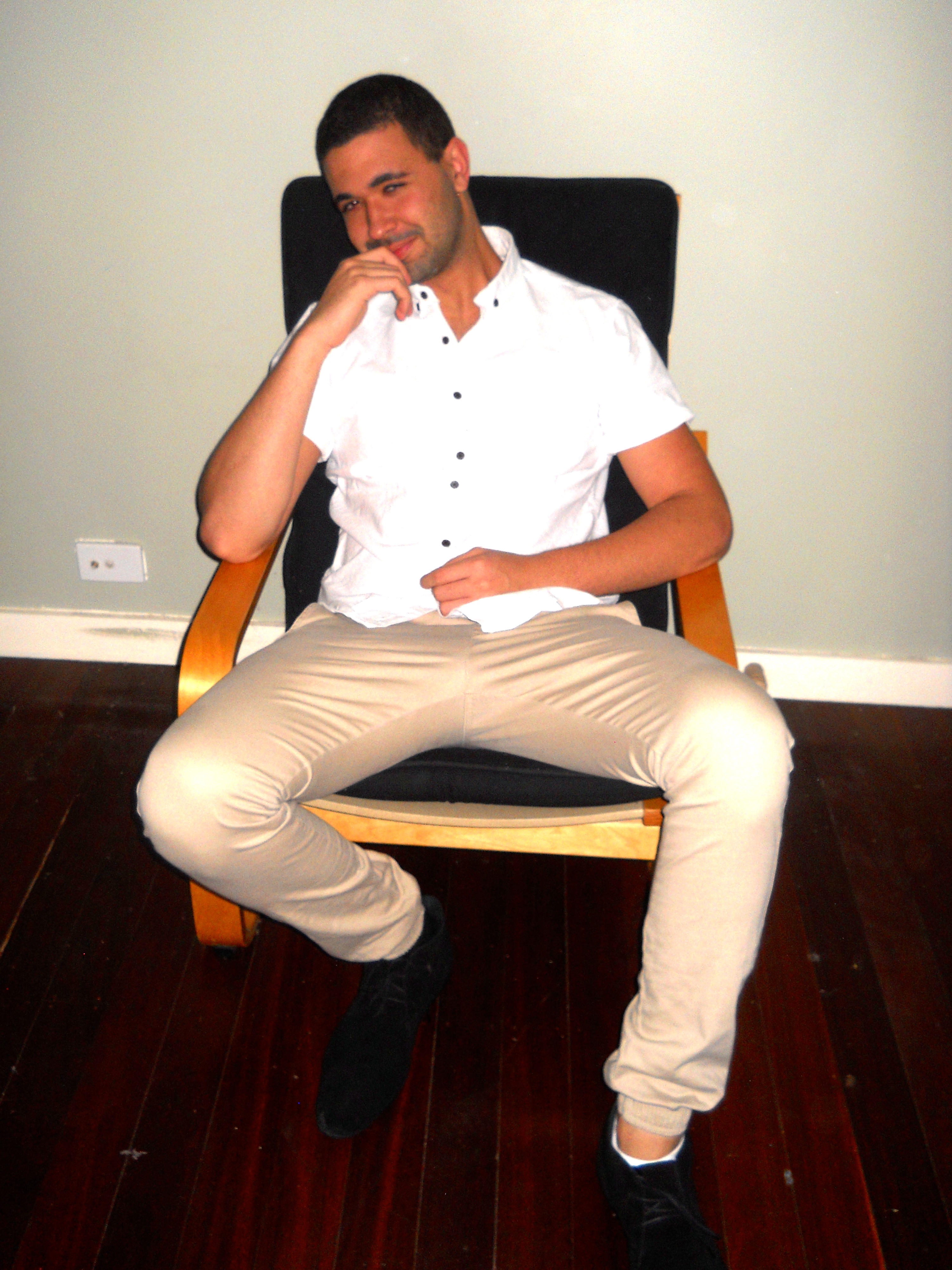
DSCN2634
Nathan Harris


Happy Birthday to my older son Nathan. We called him Nathan, as the biblical meaning, the gift from God. Today, Nathan turned 19.  Our family celebrates Nathan for many things and one of them is reading and writing. Nathan loves story-telling.

Recently, Nathan started an adventure story on Facebook for all his friends’ birthdays. In this story, he weaves his friends (as characters) into the stories, based on the theme he chooses to fit that friend’s personality.

When his brother and I took him to lunch today to celebrate, Nathan mentioned in disappointment that none of his friends even wrote a paragraph about his birthday on Facebook. I laughed. I told him, it did not matter, and he must understand, his friends are not writers like he is.  Writing may not be their thing, and his friends love him anyway.

I wanted to highlight a few things about Nathan.

  • He was born with a strawberry patch on his stomach which his father and I fought over because we thought one or the other accidentally hurt Nathan’s skin. (I thought he did it. He thought I did it). The mark appeared suddenly then disappeared as he grew older.
  • Nathan had a split tonsillitis and the paediatrician said Nathan would have difficulty speaking – that never happened.
  • Before he turned three, he wanted to go to school so badly I took Nathan to a friend’s school. On that first day, Nathan ran out of the car into the school without saying goodbye or a cuddle. I found myself crying in the car while watching my son run to his first class.
  • Nathan fell off our verandah (about three metres high) at five-years-old, and nearly cracked his skull. When he came to, on the way to the hospital, my then three-year-old apologised to me for falling. He survived the fall; got all clear and doctors thought it was amazing.
  • When he was seven, Nathan gave a speech about The Importance Of Family in front of 500 people in a United Nation’s gathering; not knowing, a few months later his father and I would separate.
  • At the same age, he corrected text books and his teachers said, it would be too hard to teach him as he got older.
  • We migrated from PNG to Australia in July 2004. Nathan exceeded all expectations, and represented the school in Mathematics and other problems-solving tournaments. He continued to excel in learning.
  • He is currently studying Bio-Med in University of Queensland.

A piece of writing from Nathan’s Facebook posts on his friend Jack’s birthday. (Fiction)

Jack fell out of bed, with all the grace of a bear emerging from hibernation. From memory, he’d set his alarm to 7, even though it was clearly closer to midday. Glancing around, he found his phone had its back cover removed and the battery thrown across the room. Smirking at his own genius aversion to early starts, he gathered the various contents and reassembled his mobile as he approached the kitchen. As Jack fearlessly prepared bacon for his morning sustenance, he realised too late how unwise it was to cook bacon before putting on more than underwear. He recoiled after being struck by a cruel splatter burn, and his phone came dislodged from his waistband. Upon retrieving it, he noticed he’d received a rather mysterious email.

The sender was a mysterious prince called Toban, from a foreign land.  A royal in his homeland of Nigeria, Toban’s way of life was in grave danger. The prince requested urgent help, and pleaded to any whom it may concern to transfer the prince some money. These funds were to assist Toban to help Jack travel to his kingdom to combat ‘the thing’ that threatened his livelihood. Jack looked puzzled; he understood a great deal about being cautious, especially with respects to strangers on the internet. he heard about scammers. However, although the email was cryptic, and explained literally nothing, Jack thought, Toban seemed to be in genuine need. Jack righteously decided that $2000 was a small amount to pay to help a kindly stranger.

Naturally, literally everyone Jack mentioned this to were 100% convinced our hero had been repeatedly dropped as a child, but he remained strong. Days became weeks, and weeks became months. Even in the face of friends questioning how many vaccinations he had at the same time, or inquiring about his childhood consumption of lead paint chips (colloquially referred to as “Wall Candy”), Jack braved them all. These people did not know Toban like he did, the brief, one-sided, 53 word exchange had brought them together. Despite this, Jack’s hope was dwindling. He was close to broken before he finally received a positive sign, in the form of a one way ticket to Nigeria from Prince Toban. He boarded the flight.

“Mr Buffington, over here Mr Buffington!!” a stout black man called across the airport when Jack cleared customs.

Ignoring completely how this man knew what he looked like, because I checked and that would need about 150 more words, Jack and Prince Toban made their way home as Toban explained his current dilemma. Firstly, he vehemently refuted the label of “internet scammer”.

“Every dubious website and questionable email that passes the average person by is completely real”, Toban said.

Annually, he told Jack,  the powers that be gathered two members of every faction of publicly labelled ‘Internet Scammer’ and forces them to fight to the death in a fierce battle royale, in order to keep them docile and to entertain the public.

Jack realised, Toban was the strongest of all the Nigerian princes, but his people had become weak and feeble. Due to shifting ideals, no one was sending them the money they needed to survive.

To Be Continued..(If I could get Nathan’s permission)


Send An Appeal To Free An Imprisoned Writer


Thank you Notes From The Aliens for sharing this powerful story with us to commemorate PEN and The Day of Imprisoned Writers, November 15.

Alexander M Zoltai's avatarNotes from An Alien

Today is The Day of The Imprisoned Writer

Day of The Imprisoned Writer Image from PEN International

“Each year PEN Centres and members worldwide commemorate the Day of the Imprisoned Writer to raise awareness of the unjust imprisonment and other forms of attack against writers around the globe, to remember those who have been killed, and stand in solidarity with imprisoned and threatened colleagues. – See more here.”

“In order to demonstrate how freedom of expression is being curtailed, each year PEN’s Writers in Prison Committee highlight five cases of writers currently in prison or being prosecuted from around the world that are emblematic of the type of threats and attacks faced by writers and journalists.

“This year PEN is highlighting the cases of five writers from Cameroon, China, Iran, Kyrgyzstan, and Paraguayandcalls for their immediate and unconditional release and for the charges against them to be dropped, along with…

View original post 312 more words

The Story Behind The Picture


My Life With Cameras

I love most art forms. To show and tell a story, I have often wondered if film and photography are the art form that truly capture the essence of a story. As a story-teller, I often ‘cheat’ by throwing in an image to complete the imagery ‘in’ my story. I see many bloggers use images this way, and it is great. As you are reading my stories, I want you to see and visualise the events, emotions, and actions with me. We are in the story together. Now, imagine if we did not have pictures; how could we, story-tellers, tell a story? I know how hard it is to describe a scene, simply. How many words and sentences do we need to describe every picture, and every scene we wish to create in our readers’ minds?

Between 1980-2000, in my news print days, I carried a Nikon FE2 with me in PNG. I must admit, I was in-love with this camera.  It took two decades of pictures with me. These pictures hit front newspaper pages and glossed magazines. I entered and won competitions. I could not have been a true journalist without it. Being a photojournalist, assisted by FE2, we took stories to another level.

Sadly, I do not use this camera anymore. Apart from losing the mirrors inside the FE2’s body to some hungry mould, I paid over $AUD600 for repair, and never got the mould completely removed. The mould began feeding and grew again. I still have the FE2 with me because we have too many memories together. I cannot use it, and I cannot bare the thought of losing it.

These days, everything has moved to digital. Over the years, trying to save money for a new ‘real’ camera has not been successful. Family, mortgage and many other urgencies always top the priority list. Without a good camera, I often wonder how many great shots I have missed in so many years. I stare for hours at photographs and  pin them on Pinterest and the net. I wonder how I could have taken these pictures differently; using light, better angle or simply, showing the object better. Fellow blogger/photographers, you know I am checking your pictures out, and I am looking at your pictures in awe and with some jealousy.  This is envy that is not evil but respectful.  A somewhat sad feeling about how much I have missed in my photography. I have long resigned to the fact that –that’s life!

Going Digital

Tami Is Research photos 061
In-coming tide on Tami Island, Lae, Morobe Province, PNG. Picture JLeahy. 2008

I still take pictures with the phone, and small digital cameras. A few years ago, I had a digital pocket sized Nikon I bought from a Cash Converters store. It accompanied me conveniently for its size. The FE2, and its lenses was sometimes hard to lug about.  After doing some solid photographic work, the little camera’s bottom broke. There is a pin inside the battery cage which broke and the camera batteries would protrude out and lose power.  So, I taped the bottom and kept using the camera.  When a moment presented itself, the photographer would need to press harder on the tape to keep the batteries in and take the shot. Only I used it expertly. It was hard work instructing others to handle the little camera in her special needs. If less pressure was applied, the camera did not work. Sounds like a joke right? The camera worked most times and I was proud of it.

The Right Equipment

Anyway, the point I am making is that, when and if you have a great equipment for your work or even artwork – everything flows beautifully. Just imagine when you don’t and the moment presents itself. In 2008, I was on Tami Island, Papua New Guinea doing my field research into how climate change affected intangible cultures.

I travelled with my mother and my broken-bottom pocket Nikon. The bottom was taped and, we went to a place at least a few hours in up the coast, in a boat, so there was no such thing as batteries nor camera shops.

I took several photos with the bad-bottom camera, and one picture has become a favourite. I had to mention this picture because, it is not only I that thinks it a wonderful picture, but strangers have complimented the photo, hundreds of times. I posted this picture on About Me, on my Page and each day, I can get numerous compliments and comments about this picture.

The Story of This Picture

Tami Is Research photos 056-2
Morning light on Awaho flowers, Tami Island, Lae, PNG. Picture, JLeahy. 2008

In the days my mother and I stayed on Wanem Island, we would wake in the morning to crisp breezes, beautiful skies and chatters of seagulls and other birds flying by, searching for food. The village was a separated by trees and coconuts. The only sound was the soft waves,  gently slapping the sandy beach. At least three metres in, from the water’s edge, the beach was lined with various soft and hardwood natives, and one we call the Awaho. This tree has many uses. Its timber is used for building, the leaves for cooking food in, and the bark for making clothing, as well as ropes. At the end of its life, the Awaho wood is a very good firewood.

Each morning, before we woke, the Awaho trees would start dropping their flowers on the hardened, cleaned sand, left by the receding low-tide. The flowers would be placed randomly but precisely, so it did not clutter. These droppings ravished the beach with these delicate burnt orange flowers with deep carmine centres. From each of the rich red-wine centre protruded a pale feathery, sticky pale stem with a red tip. Seeing the flowers on that beach for the first time, I thought someone had laid the flowers out. By the end of the day, before the flowers have completely wilted, the tide would come in, and sweep the flowers away before the shadows melted into darkness. If you swam at night, you would see the flower floating amongst the flotsam. In the morning, the white beach would be cleaned and ready. Once again,  the Awaho’s bouquets would arrive, and scattered across the white sandy beach. The cycle began all over, a picture and a moment of Mother Nature’s artwork. I would have never captured this images without the broken-bottom pocket Nikon.


An Eel Escape


From memoir series JLeahy. Part 2

Click link below for Part 1.

https://tribalmystic.me/2014/11/12/an-eel-escape/

We had split the number of holes we saw on the creek beds as early as 8am this morning. Grandma took the right and I took the left. Each hole we dug into would have at least one eel. I was very excited. Sometimes I would find the eel and try to grab it before it knew what was happening. But they all got away. I knew Mother was waiting with our nets for them, so I was not too worried. Most times, the eels could sense the vibrations and make their way out very quietly. The eels were 20-30 centimetres long and had yellow and white bellies. Their backs were pale grey, dark green, mouldy grey and sometimes greenish black.

After at least two hours, Tinang, my grandma, called out to Mother in Bukawac.
“Have you seen any eels?”
“No! Nothing came down”, mother called back. That did not sound right and I peeked through the leaves at my grandmother.
“Keep digging Kalem”, Tinang said and pointed to the next hole.
We both worked our way upstream. We needed to at least catch a dozen baby eels so my two uncles would throw their lines for the ocean fish.

If we had gone to the river, the eels wold have been too big and hard to catch. The creeks were the best place for baby eels. Three hours later, I had exhausted every hole.
“Ok grandma, I am at my last one”.
“Good girl, finish and wash, we will sit down and have a betel nut”, Tinang promised me.
I tried to reach into the last hole and the eel quickly went out the other way. I saw it with my own eyes.
“It’s coming, I yelled out to Mother”.
“Ok, I am waiting”, Mother said.
I sat into the creek and threw the cool fresh water on myself, removing all the mud, rubbish and wiped the insect bites. There were red and swollen. I could not take all the dried leaves and rubbish out of my hair, so I left it there. I cleaned up, and walked out to the side of the bank.  Mother and Tinang were seated under a shade. No words were spoken.
“Where are the eels?” I asked. I was excited to see how many we had caught. Mother was very quiet. She had no expression.
Tinang looked at Mother and then me.
“Would you like a betel nut?” Tinang finally said.
Mother did not respond.
“Yes please”, I said. I wanted to chew and warm up, the water had cooled my body temperature.
I turned and looked at my mother. I searched her eyes and she looked ashamed.
“What happened?” I asked Mother.
Grandma was silent. I could see that “I knew it” look in grandma’s eyes and it was like, she could almost laugh.
“I am sorry. I lifted the nets and let all the eels get away”, Mother said.
“Why?”
“Because I could not bear the thought of touching them”.
It was too hard to get angry. I popped the skin of my beetle nut and sat down with grandma and gave her a hug. I knew how she felt. We sat awkwardly together. Then, I reached for the lime pot and the mustard to add to the betel nut. I had already mashed the betel-nut with my teeth. I began to chew. Grandma reluctantly reached over to mother.

“Here!”,  she said, offering her daughter a beetle-nut and mustard. Mother relaxed and accepted the peace-offering.

https://www.youtube.com/watch?v=RvyC1xo3v1A

In the South Pacific Islands eel farming is quite common. In Papua New Guinea, eels are farmed and also treated like pets. Here in New Ireland Province Cathy’ Larabina’s eels are some of the biggest pet eels. They have become well-known in the PNG tourism industry.


An Eel Escape


From memoir series JLeahy. Part 1

Suki workshop3 066
We learn early to fish and catch food for our families. In Papua New Guinea, as in many indigenous cultures, children are taken with their mothers to learn about nature and where to find food. Picture taken my JLeahy on Suki River, PNG. 2008

I stuck my right fore-finger into the freshly dug sandy, mud holes. A crab must have tried to invade this hole and got chased out. It left tracks in the mud. I imagined how it happened, and smiled. There were other holes, all about bottle-top size. The sandy mud was soft and pale brown. We needed food so my uncles had to fish tonight. My job was to catch bait; baby eels.

“Kalem! Ampom!”, Tinang called. Tinang was my grandma. She used both my names meaning, a welcoming joy, and light-skinned.
“I’m here!”, I responded softly, trying to not disturb the eels nor other life forms.
“Go there!”, she directed me, pointing to the other side.
I nodded and stepped to the other side of the creek and my eyes canvassed the freshly dug holes. I was in my blue shorts and T-shirt. At seven I was tall so mosquitoes loved my long bare legs. Even when they had filled their tight blood bellies, I could not smack them for fear I would disturb the catch. The mosquitos were also too ‘drunk’ with the blood, so I rubbed them off.

There were crab holes and eel holes but there was a difference. The eel holes did not have a messy gathering at their entrances. From the size of the hole, you could tell how big the eel was. These were small. The eels had two exit points. I started digging into the top opening and then feeling my way to the ending at the second hole. Where I had interfered, dirty water trailed down the footprints to the clean running creek water.  I looked back to see where grandma was. I stepped carefully to avoid the small openings. Then, I picked one and I inserted my fingers into the hole and followed with my hands. I trusted my instincts and repeated the process until we had enough eels.

As early as you could, most children in the village were taught how to catch an eel. I was around seven and very good at catching eels. Catching eels was always exciting and scary at the same time. Physically, the eels scared me, but they were beautiful when I watched them gliding through the water.  There was a certain peace and calmness about them. We were not allowed to catch very large eels. I have watched many get away. The large eels were considered landowners, art of us and our ancestors.

The trick to catch the eel was all in the hands. You reach the eel in the hole by touch, and caress the eel until it relaxes, and you can catch it. Sometimes you can catch the eels with bare hands, but they were slippery and difficult. My aunts were better at hand-catching the eels. The way we were catching today was by scarring the small eels back into the creek and they swam down into a hand-held net.
My uncles and grandma’s brothers would use the eels on large hooks for the open and deep-sea fish.

About six metres downstream, my mother was waiting with the open nets ready to catch the eels. I could not see her, but I could hear her smacking mosquitoes and flies and trying not to curse.
There was bush and wild banana trees between us. Vines from cane and pandanus crisscrossed above me, letting rays of sunlight spill onto the sandy bank. Not far from me, I could see the eels easing their way out and following the creek downstream. We only had to catch a few. Tinang was a few metres behind me, digging on the opposite side. If she started a song, we would sing together quietly.

Sometimes we just hummed in low tones while we fished but we were in a little creek and catching eels so we could not sing. It was very quiet except for the silent scratching noises on the sandy bank. I did not even hear one bird sing.

“Tinang!” I called in a whisper.

She looked at me.

“Did you see?” I asked, excited about the eels that swam down.

She just nodded and kept digging.

Earlier, I had asked Tinang to hold the net. We always fished together. I held the net and she brought the fish into the net. Today, Mother came along. I don’t know why because Mother hated eels. Just like snakes and anything that looked or shaped like snakes, she would run if she saw any. Mother even hated lizards and lizards had legs.

I didn’t eat eels but I didn’t mind them. My uncles said, the eel had a special smell that attracted fish-just like blood drawing sharks under water. An eel was the best bait.

“No, let your mother hold the net Tinang had told me earlier. You are better at catching the eels”. Tinang said.

“You go with Tinang” Mother said, smiling at me. I gave her my net and followed grandma up the creek. I knew mother was up to something. She wore her evil eyes in her funny smile.

The nets were cut out of small knitted nylon fishing nets. They were shaped and sewn along the sides. The top part was held in a hoop by a cane/rattan stick. To catch an eel, we got all our three nets and plugged their mouths halfway into the muddy base of the creek. Half of the mouth of the net would be open to catch anything that floated downstream. The three nets joined and combined at base, blocked off the width of the creek. The creek was about three metres wide.

Mother had bent forward and held onto the three nets. Where she was positioned, Mother could see everything that came downstream – fish, eels, yabbies, nuts from the trees and any other floating rubbish.

TO BE CONTINUED..tomorrow.

Mother Risks Her Life To Protect Environment and Heritage


604-1
Aleta Baun, an award-winning environmentalist who led non-violent protests against marble mining companies in West Timor for more than a decade, pictured at a summit on women and climate in Bali, Indonesia, Aug. 5, 2014 TRF/Thin Lei Win.

Author: Thin Lei Win

BALI, Indonesia (Thomson Reuters Foundation) – Under a full moon one night in 2006, 30 machete-wielding men surrounded Aleta Baun in the middle of a forest as she headed home to breastfeed her youngest daughter.

 “Each of the men slapped me, pulled my hair and kicked me. They banged my head against a tree. I now get headaches often,” she told Thomson Reuters Foundation. “It was very, very painful but I just prayed. I still feel thankful they just hit me and did not kill me”, Baun, now 54, told Reuters.

Baun was leading protests against mining operations in her West Timor community. Baun was protesting against the miners for destroying the land sacred to her people, the Molo Indigenous people. Baun’s attackers told her blatantly that night; they had been hired to kill her. 

Baun’s husband was at home tending to their children when she was attacked. Baun had called her husband before she was attacked.

“He(husband)said, ‘We will come and help you,’ and I asked, ‘How many of you are there?’. When he said ‘Five,’ I told him, ‘That’s useless. Don’t come. Stay at home so if something happens to me there’s someone to look after the kids”.

Baun’s attackers took the only $20 on her.  After discussing they would gang-rape or kill her, they hacked her legs with machetes, and left her to die.

Baun survived the attack but the threats continued, placing the lives of her husband and children in grave danger.  She was finally forced to leave home for a year.

Read more about Baun and other heroic women here:

http://www.trust.org/item/20140818092642-qdpr9/?source=spotlight

Ryan Lobo Story-tells With Pictures


Ryan Lobo has traveled the world, taking photographs that tell stories of unusual human lives. In this haunting talk, he reframes controversial subjects with empathy, so that we see the pain of a Liberian war criminal, the quiet strength of UN women peacekeepers and the perseverance of Delhi’s underappreciated firefighters.

Unwanted Fall


Short story, JLeahy, Tribalmysicstories

20126605631
Thirteenth floor. Picture courtesy Ash Fouwad

I stepped outside the doctor’s room into the surgery. The air felt warm even though the air-condition was on. It smelt clinical and I felt nausea. My mouth dried and suddenly, I felt I needed to drink a whole tank of water. From the red seats, amongst the other sick patients, and their loved ones, Bill dutifully stood up. He walked to me. I saw the water cooler near the receptionist but resisted the urge to stop and drink. A toddler, covered in bandages was crying in pain. I needed to get out.

Bill wore a black T-shirt and a pair of old Levis. His hair was messy.
“Yes?”, he asked when his eyes met mine.
I didn’t reply. I walked past his glaring eyes to the lift. I felt his previous night’s anger slicing through my back as I stopped in front of the lift.  The lift arrived on the 13th floor, and I stepped in. I pressed the green “G” button set on the silver squares inside the lift door. I tried to get a space as far from Bill as possible. It was close to midday and already the lift was full of office workers and sick people.

“What did the doctor say?” Bill asked as he squeezed next to me. He reeked of Old Spice and alcohol. I turned away.

“I’ll tell you at home”, I mumbled as I looked at the people in the lift.

A beautiful 5’ foot 7” blonde with popped China Red lipstick gave me a weak sympathetic smile. Her make-up was flawless. She had my height, but her red high heels put her at least two inches taller. An old Muslim lady, head covered in pink cotton stood next to the blonde. The old lady only reached three-quarters of the blonde’s height. In contrast to the blonde’s green slimline dress, the old lady wore a brilliant blue Mama-dress, and a pair of flat, soft, black shoes. The old lady was holding onto two girls, about three, and five years old. The three had beautiful olive skin and deep-set eyes. The girls were looking at the blonde. The old lady looked at me with no expression.

“Why don’t you tell me now?”, Bill broke my thoughts.

“I don’t want to”, I said.

The middle-aged man, Indian, dressed in a fine, light grey Cashmere suit stared at me. He was on the other side of the blonde, and directly opposite. I looked down. The Indian man’s right hand-held
a briefcase by his sleek pants. He should look at the blonde, not me, I thought. On the floor, next to the Indian man’s black Italian leather shoes, my eyes caught a pair of white crocodile-skinned shoes. It had a pointy tip, just like a real crocodile’s mouth. Who wears crocodile skin shoes?, I wondered. My eyes travelled back up his green tight vinyl pants into the eyes of some 17-year-old wacko with pink shirt. He had stood his pale two-inch blonde hair up in an attention with strong gel. He slipped me a fake smile when I caught him starring. Croc-shoe boy wore a small gold earring on one ear, and a diamond stud plunged into his narrow flat nostril. He exaggerated his eye lines with some make-up. The croc-shoe boy’s friend was twice his size. He seemed to be the same age but looked unhealthy. He was pimply, scruffy and dirty; a complete opposite to the croc-shoe boy. They were saying something and giggling. They both looked at me, mocking. Why is everyone looking at me?, I wondered and kept my eyes down.
“Is everything alright?” Bill asked me again, and the lift jerked off and glided down towards the front of Wickham Terrace, Brisbane.
I ignored Bill. I felt the lift stopped. A tall young man stepped in, and greeted the blonde awkwardly.
“Lunch?” he asked smiling. She blushed.
The lift took off and did not stop on the next level, nor the next. The Indian man in Cashmere tried to press the buttons. The lift kept going, and accelerated.
“It is not stopping!” he yelled.
It felt like the lift was falling into empty space and my gut was going in the opposite direction. I heard screams. My mind went into slow motion.
BANG! The lift crashed into something hard and stopped. We must have hit “G” Level. Everybody kept screaming. The lights went off and came back on. Some people fell on the floor. Bodies crashed onto me. The two girls screamed for their mother. They grabbed the old lady. The alarm went. I felt sick. I turned into the cold silver wall and let myself slide onto the floor. The last thing I saw were the white crocodile shoes.

“Jess! Jess!” I heard Bill calling.
“Jessica! Wake Up!”
I came to. It was very hot; I was drenched in sweat. It smelt. Different smells of people smell, both good and bad. I must have passed out. I could vaguely see the others in the room but they felt close. They were in various moving shapes. I didn’t know what had happened.
I felt like throwing up again and tried to focus. Slowly, everyone came back into form. I could hear the two little girls crying softly into the old woman’s dress. She was speaking very gently to the girls in a foreign language. The awkward young man, looking concerned, had his arms around the beautiful blonde. The blonde was pale. Her lipstick smeared. The Indian man had taken his jacket off, revealing a sky-blue cotton shirt teamed with a pin-stripe tie. In a large “V” shape, sweat soaked and darkened all his front chest. He looked crumpled on the floor with his briefcase in his lap and jacket rolled in a ball.
“Jess!”
My eyes turned to Bill’s face hanging over me and I looked away. I had leaned into the lift wall with my head resting on the croc-shoe boy’s shoulder. The croc-shoe boy and his friend were cursing nervously. I felt awkward. I could not move myself so I turned and looked at Bill. In place of his 40 years of age, I saw a sweaty 55-year-old wrinkled man. His unshaven face matched his salt and pepper hair. His eyes were bloodshot and his jaw line was tight. Now the Bourbon was obvious on his breath. His eyes continued to hold the question as he spoke.
“The lift is stuck. There is someone coming.”
There was no emotion in his recount.
“You have to stay awake,” he changed his tone.
What is wrong with you?”
I had no more strength to hold it back.
“I am pregnant!” I said aloud.
Bill’s jaw dropped. He stared at me in disgust, speechless. Everyone in the lift looked at me as if I had announced I had smallpox. I had kept this for three months. Bill and I have not had sex for at least three years.

A Wash In The Bush – Short Story


4526911846_956e72f6dc
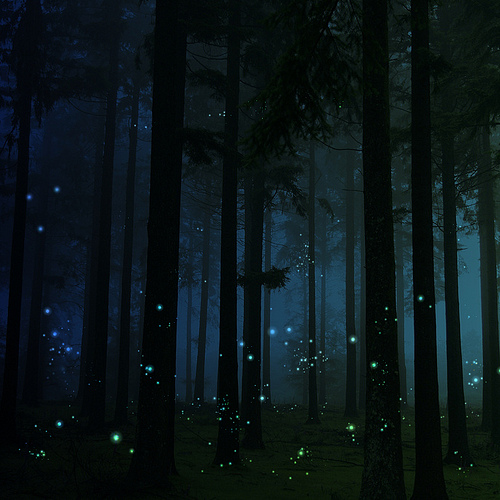
Google Images – Fireflies

It was pitch black. The day had gone. Heat and humidity parted swiftly and everything was swallowed by the early evening darkness. By touch, I placed my towel on a nearby tree branch and stripped for my bush wash. My skin woke to the cool breeze. My right foot carefully searched on the large, rough and wet stones to the small piece of plywood. I stepped up, trying to keep it balanced under my weight. The ‘ply’ was held up by other stones. The underneath was muddy water. I stared into darkness and caught very faint glimpses of trees.

Already pulled out of the well with a rope and bucket, I reached it. The water felt cold. Today was an especially hot day. My mind went over how sticky it was. As I filled the saucepan, the steel cooled to the temperature of the water. I raised the saucepan and saw them coming. The ‘light’ visitors. They came in a fanfare of glows seemingly in rhythm, yet, their presence was soundless. I realised I had missed the fireflies in Port Moresby’s city life.

The fireflies came closer as if curious. They scribbled bright disappearing lines in the ‘black’ all around me. Their light made the darkness even darker. 

I poured quickly. The water was cold.
“Ohhh nice!” half-shivering, I yelled out to my family, wanting to connect us through the depth of darkness between us. The chattering of my mother, my sons and, nieces and nephews were a few metres away.
This well water must have come from the centre of the earth. Untouched by the 36 degrees heat of Lae, Morobe Province. It was so cold.
After pouring three saucepans of water on myself I looked up again. By now the fireflies gathered just above me. They synchronised in an orbit-like dance. I looked up at the fireflies, entrenched, and the soft mushy Lux bathing soap slipped out of my hand. The soap’s creamy white oval-shape slithered away under the old plywood with a soft plonk in the muddy water.
“Shit!”
I am not about to put my hands in there I thought. I stared at the ‘nothing’. It was still pitch black. I bent my knees but half-way, I decided, it was not a good idea. I am not going to find that soap unless I am prepared to feel through snakes, centipede, spiders, worms, and God knows what else is in there.
An owl startled me back to reality. I listened to the owl speak to another softly. I was dripping, half-soaped and cooling down fast. The fireflies lost their rhythm and separated. They flew away. I reached for another saucepan of the cool rinse and grabbed my towel.
“I’m finished!” I called and picked up my clothes.
Through the bush, I could hear my mother bringing my sons towards me to wash them. They were nine and six. She had the lamp and the boys had their torches. Suddenly, everything looked different.
In the background, my nieces and nephews were waiting their turn to the waterhole. My cousin Sam Newton dug this well before he even built his house. The water feeds and quenches the thirst of hundreds in our community. Because of where Sam had dug the well, the water remained cool all day and night. We used the water for cooking, drinking and washing.
“Where is the soap?” I heard my mother ask.
“Forget the soap Ma, just wash them in the water”.
I smiled and dried myself.

Where My Eyes Are From


Where My Eyes Are From


I turned to face the door and sat down in the centre edge. It was the softest part of mama’s large queen-size bed. I ran my large grey eyes over the bed. Papa had built this bed. The bed was rustic but sturdy. Because of the many years in the timbers, the bed talks like an old man when you are on it. Right now, the bed is not talking because I am not moving. The white cotton sheets were crumply and warm. I wanted to climb into the sheets but I could not.

We had buried mama at 3pm. The day had been long and tiring.

The few friends and family returned to our small two bedroom cottage on the edge of town in the hills of Mt Crosby. The offering of sweet tea and cake to the mourners wrapped the day. However, the sweet tea did not change the taste in my mouth. Soon, they left papa and me. We sat together on the small veranda and did not speak. At 15, I knew half of papa was buried with mama this afternoon.

The day hurried passed. Soon, it burnt orangey into dusk. The ambers from the remains of the daylight pierced through the small cottage.

“You can go to her room” Papa had said close to 5pm.

I saw the small clock on mama’s bedside as I sat down. Mama’s room smelt like Vanilla with faint coffee. I had tried to shut out the noises with the door, but I could hear the puppies. All five of them ready for their milk. They needed their mother. A sharp pain went through me.

My hand felt under the pillow slip and I found it. The small white envelope mama promised before she took her last breath. I gazed back at the door. I waited. My heart started to race.

Through the gaps in the window I caught the late breeze approaching carrying bush smells of Gum and Acacia. I could hear my father humming “Gershwin’s Summer Time” and rocking in the old chair. The chair squeak was rhythmic and soothing. It re-assured me of his location. I did not want him to come in.

The house seemed to mimic Papa’s humming and suddenly I felt the sadness heavy in my chest. Papa was a real sweet man. Not only did he lose his woman, but his best friend.

I sat still and held mama’s envelop; firmed by the content of its small card. In this envelope was something mama wanted only me to know. My stomach did not feel right and I knew it was something I do not wish to know.

The room held on to the last of day light. In this dim light I read my name written neatly across with dainty curls. Mama always made a point of making big long tails in letters ‘y’ and “g”.  My name was Margaret Meadows. Mama shortened it to “Maggy” with a “y” instead of an “ie” like in other Margies which was short for Margaret.

I brought the card closer to my nose. It smelt of Vanilla too. This made me smile and my eyes salted. I felt that weight in my chest move up to choke me. I looked at mama’s photo of us in a white frame by the bed. Tears rolled down my eyes. Slowly, I pinched the corner of the white envelop and slit the end through with my index finger. This forced the white envelope open to reveal a small red card.

I eased back on the bed. I felt I needed some support and security before I opened the red card. I let my shoes drop on the wooden floor. I starred at the door; hoping papa would not come in. I need to be alone when I read this. That was what mama wanted.

“My Love Maggy,

You were born a beautiful baby of glorious soft honey skin, pink lips, fair hair and long legs and arms. You were a fairy with piercing eyes. I swear if you had had wings, you would have flown away. Your eyes were a mysterious twinkle to your father and me. When you were little I had wondered if you were worried or just curious about your eyes because you asked me many times why your eyes were different from your father’s and mine. As you know, we both have brown eyes.

I need you to understand that Paul Meadows loves you like his own daughter. There is not a single person that loves you more and not a single reason to be ashamed of who you are.

Your grey eyes came from a man named Peter Sullivan who was once your father Paul’s best friend. Last year, I found out that he died in a car accident while driving back to Brisbane.”